Understanding Home Renovation: An Overview
What is Home Renovation?
Home renovation refers to the process of improving, modernizing, or upgrading parts of an existing home. This may involve restoring historical elements, enhancing functionality, or simply changing the interior and exterior aesthetics. Unlike new constructions, renovations focus on existing structures, aiming to make a space more livable or appealing without the need to build from the ground up. The essence of home renovation lies in its potential to transform a dwelling into a space that better reflects the needs and tastes of its inhabitants.
Common Reasons for Home Renovation
Homeowners choose to renovate for various reasons. Understanding these motivations can help set the stage for successful projects. Here are some common triggers:
- Improving Comfort: Home renovations can optimize the functionality of space, ensuring rooms serve their intended purposes more effectively.
- Updating Décor: Trends change, and many homeowners renovate to reflect contemporary styles or personal tastes that have evolved over time.
- Increasing Property Value: Certain projects, such as kitchen remodels or bathroom upgrades, can significantly enhance the home’s market value.
- Enhancing Energy Efficiency: Renovating windows, roofs, and insulation can reduce utility bills and improve environmental footprints.
Benefits of Home Renovation
Engaging in home renovation can yield numerous benefits. Here are a few key advantages:
- Personalization: Renovation allows homeowners to tailor their living spaces to reflect their unique style, enhancing both enjoyment and satisfaction.
- Increased Functionality: From adding storage solutions to reconfiguring layouts, renovations can adapt spaces to better meet modern needs.
- Comfort and Safety: Renovations can address safety issues, such as outdated electrical systems or leaking roofs, providing peace of mind.
- Value Addition: Upgrading key areas within the home can lead to a higher resale value, making renovations a worthwhile investment.
Planning Your Home Renovation
Setting a Realistic Budget
A well-planned budget is fundamental to a successful home renovation project. Establishing a budget involves understanding your financial limits and what you hope to achieve. Consider the following steps to set a realistic budget:
- Assess Your Finances: Determine your total available funds for the project. Include savings, loans, and any grants available for renovations.
- Research Costs: Investigate common costs associated with the type of renovations you’re applying. Online resources and consultations with contractors can provide valuable insights.
- Include a Buffer: Always allocate an additional 10-20% of the budget for unexpected expenses that may arise during the renovation.
- Prioritize Needs vs. Wants: Identify which aspects of the renovation are essential and which are optional. This helps in making financial decisions as the project progresses.
Choosing the Right Design Style
The design style adopted in a home renovation will significantly influence both the aesthetics and functionality of the space. Consider the following factors when selecting a design style:
- Historical Context: Understand the original architecture of your home; respecting its character can enhance its appeal.
- Personal Taste: Choose a style that resonates with your personal preferences, whether it’s modern, rustic, or minimalist.
- Functionality: Ensure the selected design meets the practical needs of your household, such as ample storage and comfortable living areas.
Creating a Renovation Timeline
Establishing a timeline can keep your project on track and help manage expectations. Breaking down the timeline into phases can make the project feel less overwhelming:
- Planning Phase: This initial stage involves design selection, budget setting, and contractor hiring.
- Pre-Construction: Obtain necessary permits and finalize designs with chosen contractors.
- Construction Phase: Implement the renovation, allowing sufficient time for potential delays or adjustments.
- Post-Construction: Allocate time for inspections, touch-ups, and settling into your newly renovated space.
Essential Steps in the Home Renovation Process
Getting Necessary Permits and Approvals
Before any work starts, it’s crucial to ensure that all necessary permits and approvals are secured. This process can vary by location but generally includes:
- Checking Local Regulations: Familiarize yourself with your local building codes and regulations to ensure compliance.
- Submitting Applications: Depending on the scope of your renovation, you may need to submit detailed plans and applications to relevant authorities.
- Engaging with Professionals: Consult with architects or contractors who have experience navigating the permitting process in your area.
Hiring Contractors vs. DIY
Deciding whether to hire professionals or tackle renovations as a DIY project can significantly impact both the outcome and budget. Consider the following aspects:
- Skill Level: Evaluate your experience and skills. Complex tasks like plumbing or electrical work are best left to licensed professionals.
- Time Commitment: Consider how much time you can realistically dedicate to the project. DIY can be time-consuming, especially if you have other commitments.
- Cost: Compare costs of hiring contractors vs. doing it yourself, factoring in potential mistakes and their expenses when opting for DIY.
Key Considerations for Structural Changes
Structural renovations, such as removing walls or adding extensions, require additional planning and consideration. Here are important factors:
- Load-Bearing Walls: Determine if walls to be removed are load-bearing; structural engineers can assist in evaluating this.
- Foundation Work: Any significant changes may necessitate foundation alterations to support new structures.
- Impact on Utility Systems: Assess how structural changes may affect plumbing, electrical, and HVAC systems.
Popular Home Renovation Projects
Kitchen Makeovers: Trends and Tips
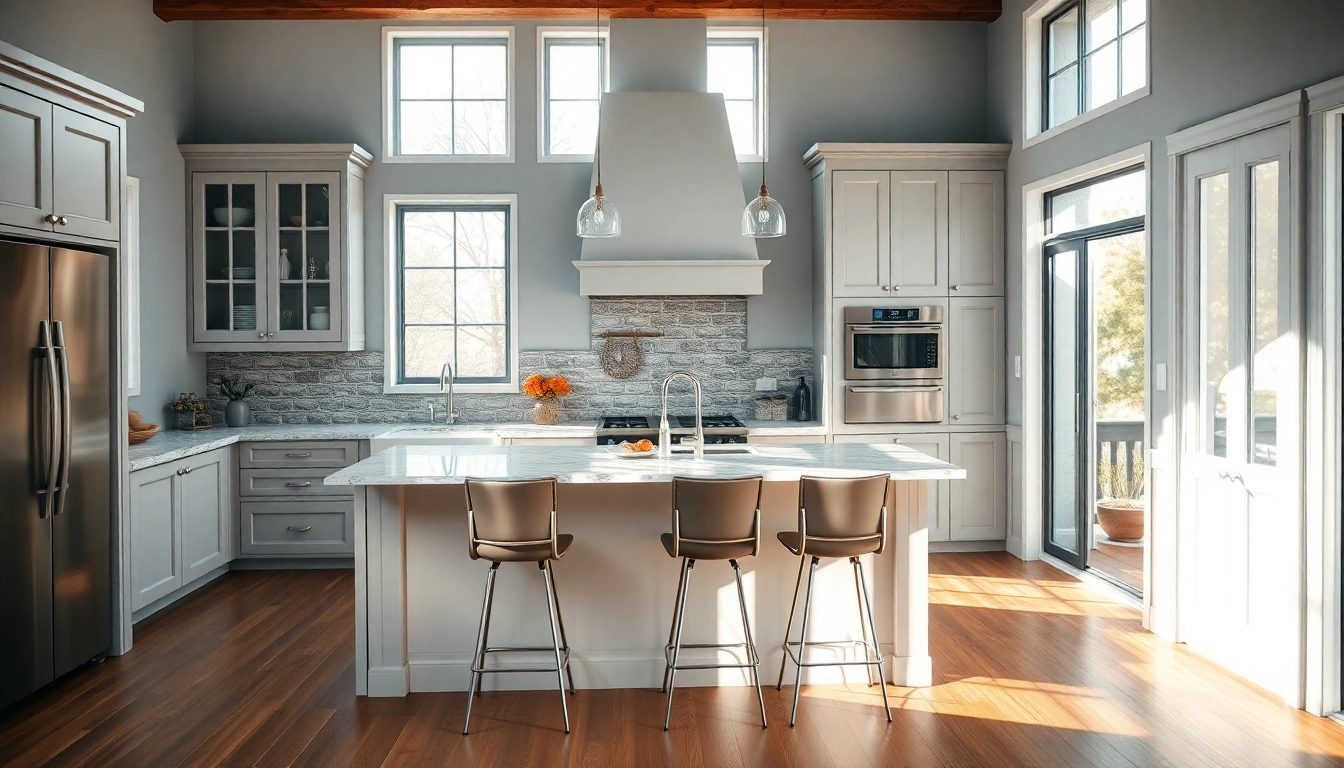
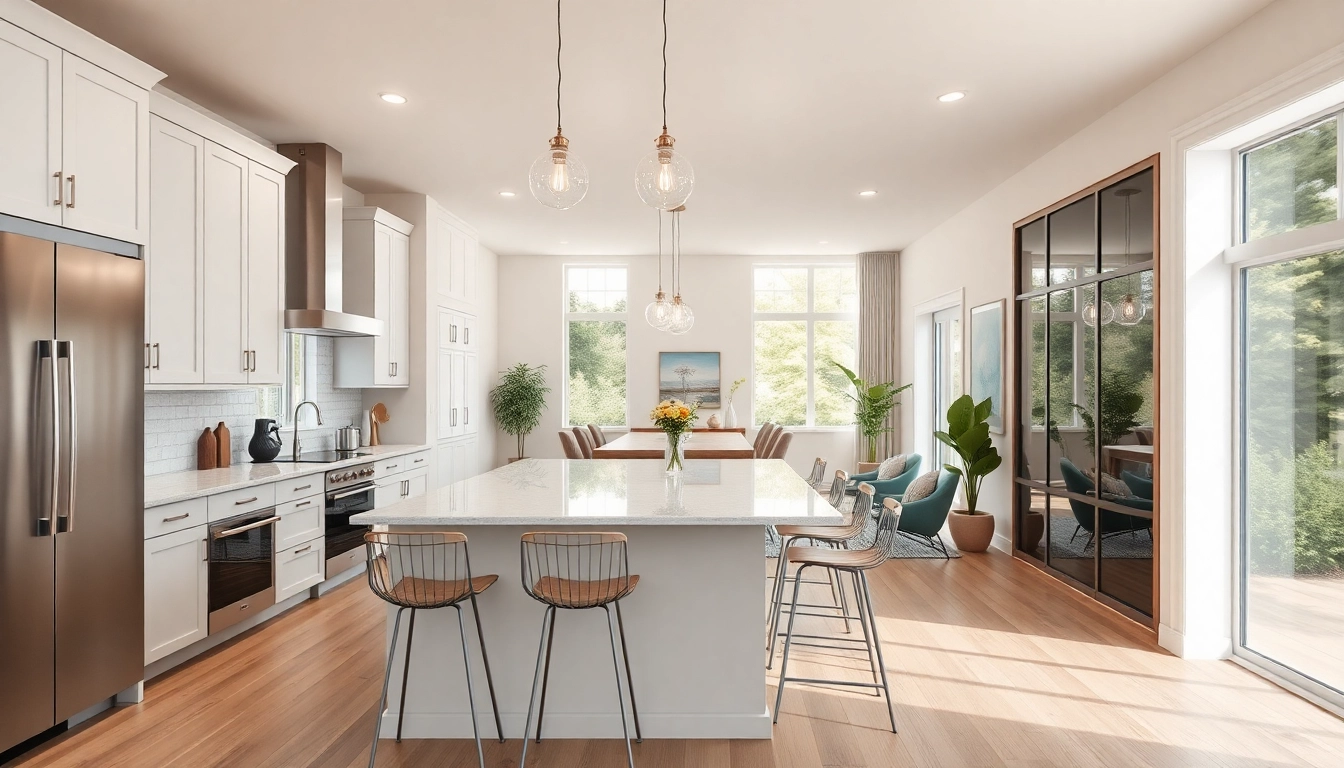
The kitchen is often termed the heart of the home, making it a focal point for renovation projects. Emerging trends include:
- Open Concept Layouts: Many homeowners are opting for open spaces that connect kitchens to dining and living areas, promoting social interaction.
- Smart Appliances: Integrating technology with smart appliances that enhance convenience and energy efficiency is on the rise.
- Eco-Friendly Materials: Using sustainable materials, such as bamboo or recycled stones, appeals to environmentally conscious consumers.
When planning a kitchen renovation, consider your workflow—how often you cook, and the space needed for appliances. Investing in quality materials often leads to longevity and satisfaction.
Bathroom Upgrades: Maximizing Space
Bathrooms are another popular renovation choice, often focusing on maximizing space and enhancing comfort:
- Storage Solutions: Built-in cabinetry or shelving can help organize and declutter small bathrooms.
- Luxury Features: Many homeowners invest in high-end features, such as heated floors or rainfall showers, to create a spa-like experience.
- Quality Fixtures: Upgrading faucets and showerheads to water-efficient models saves on utility bills without sacrificing style.
Living Room Enhancements: Style and Comfort
Living rooms serve as gathering spaces, and renovations often focus on enhancing both functionality and comfort:
- Lighting Improvements: Incorporating natural light through larger windows or skylights can elevate the ambience.
- Flooring Options: Upgrading flooring to hardwood or high-quality tile can enhance the beauty and function of a space.
- Focal Points: Adding features such as a fireplace, accent walls, or statement furniture pieces can add personality to a living area.
Measuring Success After Home Renovation
Evaluating Project Completion
After completing renovations, it’s essential to evaluate the success of the project.
- Inspection: Conduct thorough inspections to ensure all work meets quality standards and adheres to regulations.
- Homeowner Satisfaction: Measure your satisfaction against the project goals. Did the outcomes align with your expectations?
- Addressing Issues: Identify and resolve any problems that may have surfaced during the renovation, ensuring the space meets your long-term needs.
Post-Renovation Maintenance Tips
Maintaining your newly renovated space is critical to protecting your investment. Consider the following maintenance tips:
- Regular Inspections: Schedule periodic checks for wear and tear, particularly in high-traffic areas.
- Cleansing Protocols: Follow proper care instructions for materials like wood, stone, and fabrics to prolong their lifespan.
- Prompt Repairs: Address any signs of damage or deterioration immediately to prevent larger issues down the line.
Increasing Home Value through Renovation
While most renovations enhance personal enjoyment, many also hold the potential to boost property value significantly:
- Focus on Key Areas: Kitchen and bathroom remodels typically yield a higher return on investment than other renovations.
- Market Trends: Stay informed about local real estate trends to ensure that renovations align with what potential buyers in your area desire.
- Expert Advice: Consult with real estate professionals to navigate which renovations will provide the best value increases based on current market dynamics.
To begin your journey of creating a more functional, beautiful, and valuable home, understanding the fundamentals of Home renovation is essential. With careful planning and execution, renovating your home can significantly enhance your living experience while also boosting your investment’s overall worth.