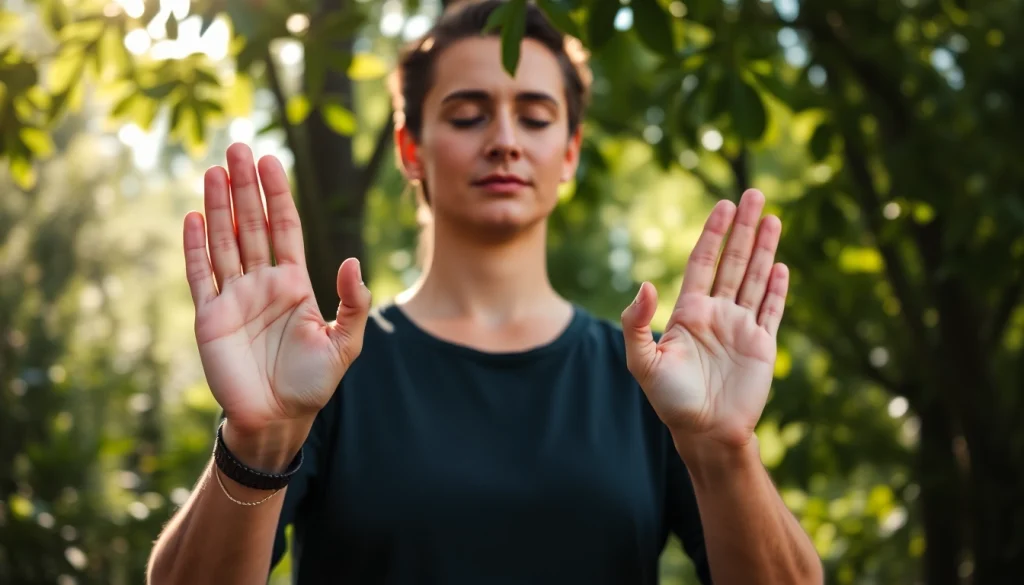
Introduction to Yoga Mudras
Yoga mudras are ancient hand gestures and positions imbued with profound significance that extends into various aspects of life, including physical, mental, and spiritual well-being. They play a crucial role in yoga and meditation, enhancing the flow of energy and prana (life force) within the body. By incorporating Yoga mudras into practice, individuals can unlock deeper states of awareness, control emotion, and develop a tranquil mind. In this article, we will explore the definition, history, types, benefits, popular mudras, and how to integrate them into your daily routine.
Definition and History of Yoga Mudras
The term “mudra” is derived from the Sanskrit word meaning “seal” or “gesture.” Traditionally, mudras are used to channel various forms of energy and create specific intentions during yoga and meditation practices. Their roots can be traced back to ancient Indian spiritual traditions, notably within Hinduism and Buddhism. According to yogic philosophy, the human body consists of energy channels called nadis, which facilitate the flow of prana. By using Yoga mudras, practitioners can influence the distribution of energy, enhancing both physical health and emotional balance.
Historical texts, such as the Yoga Sutras of Patanjali, discuss the significance of mudras, while sculptures and paintings from ancient India depict revered figures engaged in these gestures, emphasizing their importance in spiritual practices throughout the ages. As a tool for self-discovery and communication, Yoga mudras continue to be relevant and are widely adopted today.
Types of Yoga Mudras
Yoga mudras can be classified into several categories based on their purpose and effect on the human body. Here are some essential types:
- Hand Mudras: Primarily focused on hand gestures, these are the most common form of mudra used in yoga practice.
- Body Mudras: These involve specific postures or positions of the body combined with hand gestures to channel energy effectively.
- Mudras for Meditation: Designed to enhance concentration and elevate spiritual awareness during meditation practices.
- Mudras for Healing: These may focus on alleviating specific physical ailments or emotional troubles, functioning as a therapeutic tool.
Each mudra serves a unique purpose, affecting various aspects of the practitioner’s being and allowing for a richer experience in their yoga journey.
Purpose and Importance in Yoga Practice
The primary purpose of Yoga mudras is to facilitate the free flow of energy within the body while enhancing one’s spiritual and physical practices. They establish a partnership with other components of yoga, such as breathing techniques (pranayama), asanas (postures), and meditation, creating a holistic approach to health and well-being. The gestures promote focus, grounding, and serenity, allowing for a deeper connection to oneself and the larger universe.
Mudras encourage mindfulness, fostering mental clarity and emotional stability. Practitioners report a sense of relaxation, reduced anxiety, and improved concentration. With regular practice, Yoga mudras become an integral aspect of a yogic lifestyle, nurturing the body-mind connection.
Benefits of Yoga Mudras
Physical Benefits of Yoga Mudras
The physical benefits of Yoga mudras can be profound. Regular practice contributes to improved circulation, the harmonization of bodily functions, and enhanced flexibility. Specific mudras can stimulate the nervous system, impact hormonal balance, and aid in the regulation of internal organs.
For instance, the Prana mudra is believed to activate and stimulate dormant energy within the body, potentially increasing vitality and reducing fatigue. When practiced consistently, mudras can enhance immune function, promote detoxification, and assist in pain relief by encouraging blood flow and releasing tension.
Mental and Emotional Benefits
The mental and emotional advantages of Yoga mudras are equally significant. Engaging in these hand gestures fosters mindfulness, encouraging practitioners to reconnect with their thoughts and emotions actively. This conscious engagement can lead to heightened awareness and clarity, enabling individuals to navigate their thoughts more effectively.
Practitioners frequently report reductions in stress and anxiety, enhanced focus, and improved memory. Mudras help ground the mind, reduce emotional turbulence, and enhance feelings of inner peace, particularly when paired with breathing exercises and meditation practices.
Spiritual Significance of Yoga Mudras
The spiritual significance of Yoga mudras extends beyond mere physical or mental benefits. They are intrinsic to various spiritual practices, enhancing meditative states and allowing practitioners to tap into their inner wisdom. By employing specific mudras during meditation, practitioners can cultivate an environment conducive to spiritual growth and exploration.
For example, the Gyan Mudra, often used in meditation, represents knowledge and wisdom. It is believed to awaken the higher intellect and promote insights. In many traditions, mudras act as powerful tools for grounding one’s spiritual journey, helping practitioners channel divine energies and deepen their connection to the universe.
Popular Yoga Mudras and Their Uses
Gyan Mudra: The Gesture of Knowledge
The Gyan Mudra, formed by touching the tip of the thumb to the tip of the index finger while keeping the other three fingers extended, symbolizes knowledge and understanding. This mudra is commonly used in meditation to enhance concentration, intuition, and clarity of thought. It is said to promote a deeper connection to one’s inner wisdom, making it an excellent choice for those seeking enlightenment and mental clarity.
To practice Gyan Mudra, sit comfortably in a meditative posture, either on the floor or in a chair. Take a few deep breaths and bring your attention to your body. As you form the mudra, visualize the flow of energy between your thumb and index finger, inviting clarity and insights into your meditation.
Chin Mudra: The Gesture of Consciousness
The Chin Mudra, similar to Gyan Mudra, involves connecting the thumb with the index finger but with the palm facing upward, resting on your knees. This gesture represents the connection of individual consciousness with universal consciousness. It fosters a sense of openness and receptivity while encouraging inner peace.
Chin Mudra is an excellent choice for those seeking to cultivate awareness during meditation or mindfulness practices. To utilize this mudra, find a comfortable seated position, form the gesture, and breathe deeply, allowing connections to the universal energy to flow through you.
Prana Mudra: The Gesture of Vital Energy
The Prana Mudra is particularly effective for enhancing energy levels and vitality. Formed by connecting the tips of the thumb, ring finger, and little finger, this mudra activates the dormant prana in the body, promoting overall health and well-being. It is especially beneficial for those feeling fatigued or lacking energy.
To practice the Prana Mudra, place your hands on your knees with the palms facing up. Form the mudra and focus on your breath, visualizing energy flowing through your body with each inhale and exhale. Regular practice can significantly increase vitality and improve overall health.
How to Practice Yoga Mudras Effectively
Tips for Beginners
For those new to Yoga mudras, starting your practice may feel intimidating. However, here are some simple tips to ensure a smooth introduction:
- Stay Comfortable: Find a comfortable seated position, whether it’s on the floor or in a chair. Ensure your spine is straight and your shoulders are relaxed.
- Focus on Your Breath: Always maintain awareness of your breath while practicing mudras. Deep, intentional breathing enhances the impact of the gestures.
- Practice Regularly: Consistency is key to experiencing the benefits of Yoga mudras. Try to integrate them into your daily routine, even for just a few minutes.
- Be Patient: It may take some time to notice the effects of mudras. Stay patient and compassionate towards yourself as you embark on this journey.
Common Mistakes to Avoid
While practicing Yoga mudras, avoid these common mistakes to ensure an effective experience:
- Forcing the Gesture: Don’t strive for perfection in forming the mudras. Relax and allow your hands to naturally fall into the gesture.
- Neglecting Breathing: Focusing solely on the mudra often leads to shallow breathing. Remember to keep your breath deep and rhythmic throughout the practice.
- Rushing the Practice: Mudras can be subtle in effect. Take your time; a few minutes can be sufficient to experience the benefits.
Integrating Mudras into Daily Practice
Incorporating Yoga mudras into your daily life can be effortless. Here are some suggestions:
- Meditation: Dedicate a few minutes each day to meditate using a mudra that resonates with you. This practice can enhance your meditation experience significantly.
- While Practicing Yoga: Include appropriate mudras during your yoga session to elevate your practice. Certain poses can harmonize beautifully with specific mudras.
- During Routine Activities: Practice mudras while you’re engaged in daily activities, such as reading, working, or even walking. This will help maintain a sense of grounding and mindfulness throughout your day.
Advanced Applications of Yoga Mudras
Combined Practices with Breathing Techniques
One of the most powerful ways to practice Yoga mudras is to combine them with pranayama (breathing techniques). Breathing techniques enhance the efficacy of mudras, increasing the flow of prana throughout the body. For instance, pairing Gyan Mudra with deep abdominal breathing creates a calming effect on the mind and can deepen your meditative state.
A simple practice could involve taking a few moments to sit comfortably, form a mudra, and inhale deeply through your nose while visualizing energy moving through your body. Exhale slowly through your mouth, releasing any tension or negativity.
Using Mudras in Meditation and Mindfulness
For practitioners immersed in meditation, mudras serve as catalysts for deeper states of awareness and presence. Combining mudras with mindfulness techniques can amplify the benefits of both. Choose a mudra that aligns with your intention for meditation, and then engage in a mindfulness practice that focuses on your breath or the sensations you experience.
A suggested practice is to use the Chin Mudra during mindfulness meditation while breathing consciously. This alignment of gesture and awareness helps anchor your focus and ground your practice.
Exploring Mudras for Healing and Energy Flow
Many practitioners use specific Yoga mudras as part of holistic healing approaches. Some mudras are believed to aid in the healing of particular ailments or imbalances in the body. For example, the Apan Vayu Mudra is often used for heart health, defined by placing the tips of the thumb and index finger together while extending the middle and ring fingers.
Experimenting with different mudras to identify which resonates with your personal energy can be an informative journey. Integrate these mudras alongside other healing modalities, such as yoga, meditation, or therapeutic practices, to enhance the overall experience of well-being.
Conclusion
Yoga mudras represent a bridge between physical practices and the subtle energies within ourselves. By recognizing their significance and practicing them regularly, we can harmonize our physical health, achieve mental clarity, and cultivate a deeper spiritual connection. As you embark on your journey with Yoga mudras, remain open to the potential benefits and transformations they can bring into your life. Whether you’re seeking relaxation, energy, or spiritual enlightenment, these ancient gestures offer valuable tools for personal growth and holistic health.