Understanding Hydraulic System Maintenance
What Is Hydraulic System Maintenance?
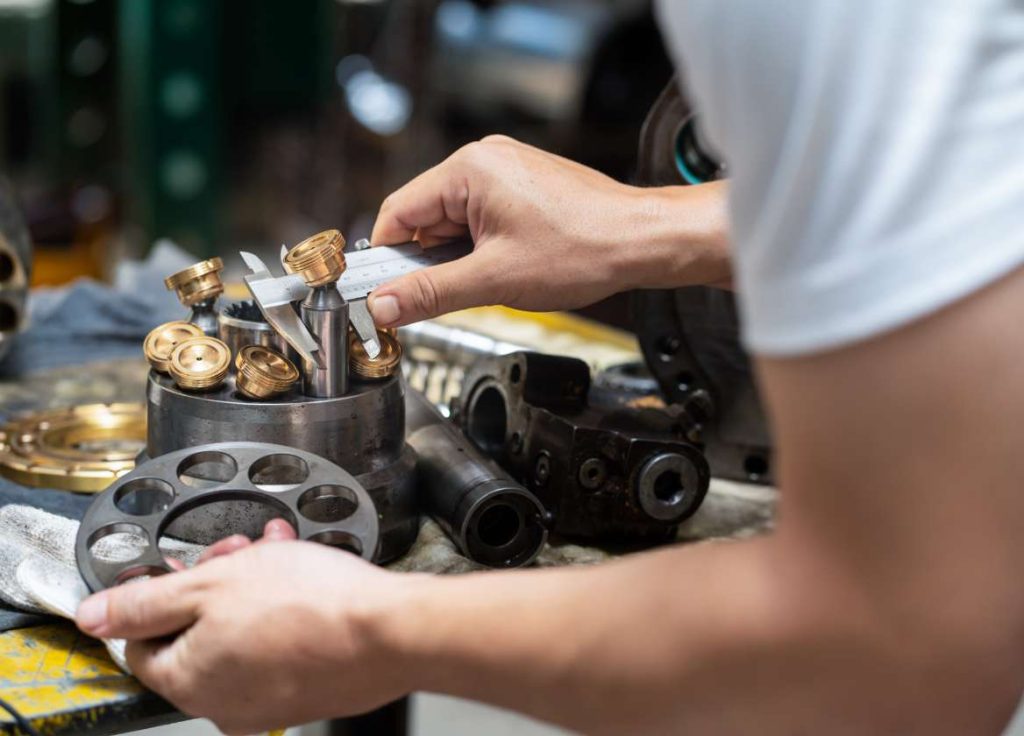
Hydraulic system maintenance is a systematic approach to ensuring the longevity and efficiency of hydraulic systems. It involves routine inspections, repairs, and replacements aimed at maintaining optimal performance. These systems rely on fluid power to perform various functions, making them pivotal in industries such as manufacturing, automotive, and construction. Regular maintenance ensures they operate smoothly and prevents potential breakdowns that could lead to costly repairs.
Importance of Regular Maintenance
Implementing regular hydraulic system maintenance is critical for several reasons. First, it significantly extends the lifespan of equipment. By addressing wear and tear before it escalates, businesses can avoid the financial burden of replacements. Second, regular checks prevent sudden breakdowns, which can halt operations and incur additional costs. Lastly, well-maintained hydraulic systems operate more efficiently, which contributes to productivity and energy savings. Engaging in hydraulic system maintenance is an investment that pays off in reliability and operational efficiency.
Common Hydraulic Issues
Several issues can arise in hydraulic systems, each potentially impacting performance. Common problems include:
- Leaks: Oil leaks can lead to fluid shortages, reducing pressure and overall efficiency.
- Fluid Contamination: Contaminated hydraulic fluid can result in wear of components and system failures.
- Worn Components: Over time, seals, hoses, and pumps can deteriorate, leading to reduced performance.
Understanding these issues is essential for an effective maintenance strategy that can mitigate risks and maintain productivity.
Key Components of Hydraulic Systems
Main Parts to Inspect During Maintenance
When conducting maintenance on hydraulic systems, several components warrant close inspection:
- Hydraulic Pump: Ensures fluid is circulated throughout the system; wear can lead to efficiency losses.
- Hoses and Fittings: Must be checked for cracks and leaks, as these can cause performance drops.
- Fluid Reservoir: Should be free of debris and contaminants to prevent fluid quality issues.
- Valves: Control the flow and pressure of fluid; any malfunction can disrupt operation.
- Actuators: Essential for converting hydraulic energy into mechanical energy; wear affects performance.
How Each Component Affects Performance
Every component of a hydraulic system plays a vital role in overall performance:
- If the pump is inefficient, it can cause inadequate force generation, affecting the entire system operation.
- Damaged hoses can lead to leaks, causing a drop in pressure necessary for system function.
- A contaminated fluid reservoir can lead to particle contamination throughout the system, damaging sensitive components.
- Defective valves affect fluid flow and can lead to incorrect pressure levels, impacting performance.
- If actuators do not function correctly, the hydraulic power will not translate effectively into mechanical movements.
Troubleshooting Component Failures
Troubleshooting potential component failures is crucial for ensuring continuous operation. Here are steps to effectively address failures:
- Identify Symptoms: Start by documenting symptoms such as abnormal noises, vibrations, or loss of pressure.
- Visually Inspect: Conduct a thorough visual inspection for leaks, wear, and connection integrity.
- Test Components: Use gauges and diagnostic tools to assess pump pressure, flow rates, and fluid quality.
- Perform Replacements: For identified defective components, schedule replacements promptly to avoid further damage.
By systematically addressing issues, technicians can minimize downtime and maintain system integrity.
Best Practices for Hydraulic System Maintenance
Scheduled Maintenance Routines
Establishing a regular maintenance schedule is one of the best strategies for sustaining hydraulic systems. A typical routine might involve:
- Daily checks for leaks and fluid levels.
- Monthly assessments of filters, reservoirs, and hose conditions.
- Biannual comprehensive inspections, including fluid analysis and component testing.
- Annual complete system overhauls, addressing potential wear and conducting part replacements as necessary.
Flexibility in scheduling based on system usage and specific operational demands can enhance maintenance efficacy.
Tools and Equipment for Effective Maintenance
The right tools are essential for effective hydraulic system maintenance. Key tools include:
- Wrenches: For tightening connections and repairing leaks.
- Pressure Gauges: To monitor system pressure and diagnose issues.
- Hose Cutters: For replacing damaged hoses safely and accurately.
- Hydraulic Fluid Testers: To assess fluid quality and contamination levels.
Utilizing quality tools can enhance the safety and effectiveness of maintenance procedures.
Safety Protocols to Follow
Hydraulic systems operate under high pressure, which necessitates strict safety protocols:
- Always wear personal protective equipment (PPE) such as gloves and goggles.
- Ensure the system is depressurized before performing maintenance tasks.
- Keep work areas clean and free of obstructions to prevent accidents.
- Properly label and store hydraulic fluids as per regulations to avoid spills and environmental hazards.
Adhering to these safety standards helps prevent accidents and injuries during maintenance tasks.
Hydraulic Fluid Management
Choosing the Right Hydraulic Fluid
Selecting the appropriate hydraulic fluid is crucial for system performance. Factors to consider include:
- Viscosity: Must match equipment specifications to ensure optimal flow and lubrication.
- Additives: Consider anti-wear, corrosion inhibitors, and anti-foam additives based on system needs.
- Compatibility: Confirm fluid compatibility with seals and other materials in the system.
Consult manufacturer guidelines to select the correct hydraulic fluid for your specific application.
Fluid Contamination Prevention Techniques
Preventing fluid contamination is critical in maintaining hydraulic system health. Techniques include:
- Use Filters: Install quality filters to remove contaminants before they enter the system.
- Seal All Connections: Ensure all fittings and connections are tight to prevent ingress of particulates.
- Regular Fluid Checks: Perform regular checks to monitor fluid cleanliness and replace as needed.
These practices are essential for prolonging the life of hydraulic components and enhancing system efficiency.
Replacing Hydraulic Fluids: When and How?
Hydraulic fluid replacement is not a one-size-fits-all process. Signs that fluid replacement is needed include:
- Fluid discoloration or odor.
- Presence of particulates in the fluid.
- Changes in fluid temperature or viscosity.
When replacing fluids, ensure the system is cooled, depressurized, and fluid is disposed of properly to adhere to environmental regulations. Follow manufacturer recommendations for fluid types and replacement intervals.
Performance Metrics and Troubleshooting
Key Performance Indicators for Maintenance
Establishing performance metrics can help measure the efficiency of hydraulic systems. Key indicators to monitor include:
- Pressure Levels: Regularly monitor operating pressures to ensure they are within specified limits.
- Fluid Temperature: Maintain optimal fluid temperatures to ensure system efficiency.
- Leak Rates: Track the number and severity of leaks as an indicator of system health.
- Downtime: Analyze downtime occurrences to identify causes and implement corrective measures.
Actively monitoring these KPIs facilitates proactive adjustments and improvements to system maintenance practices.
Identifying and Analyzing Performance Issues
Troubleshooting performance issues involves a systematic approach to identification and analysis:
- Assess Performance Metrics: Start by reviewing performance data to pinpoint inefficiencies.
- Investigate Symptoms: Document any performance irregularities, noting conditions, and symptoms.
- Inspect Components: Conduct thorough inspections focused on suspect areas highlighted by performance data.
- Implement Solutions: Once issues are diagnosed, implement appropriate repairs or adjustments to rectify problems.
Regular analysis can lead to a deeper understanding of system behavior and improvement in overall efficiency.
Continuous Improvement Strategies
To ensure the longevity of hydraulic systems, embrace continuous improvement strategies, including:
- Feedback Loops: Create systems for regular feedback from operators to identify maintenance concerns early.
- Training Programs: Invest in training for staff to enhance their understanding of hydraulic systems and maintenance needs.
- Monitor Advancements: Stay updated on technological advancements in hydraulic systems that could improve efficiency.
Fostering a culture of continuous improvement can enhance operational efficiency and reduce costs over time.
Frequently Asked Questions
What is hydraulic system maintenance?
Hydraulic system maintenance involves routine inspections, repairs, and replacements to ensure optimal function of hydraulic systems.
Why is regular hydraulic system maintenance important?
Regular maintenance extends the lifespan of equipment, prevents costly breakdowns, and enhances overall efficiency.
What are the common issues in hydraulic systems?
Common issues include leaks, fluid contamination, and wear of components, which can lead to reduced efficiency.
How often should hydraulic systems be maintained?
Maintenance schedules may vary, but regular checks should be conducted at least every 6 months or as per manufacturer guidelines.
What tools are essential for hydraulic system maintenance?
Essential tools include wrenches, pressure gauges, hose cutters, and hydraulic fluid testers to ensure effective maintenance.