
Understanding Education Equity in 2026
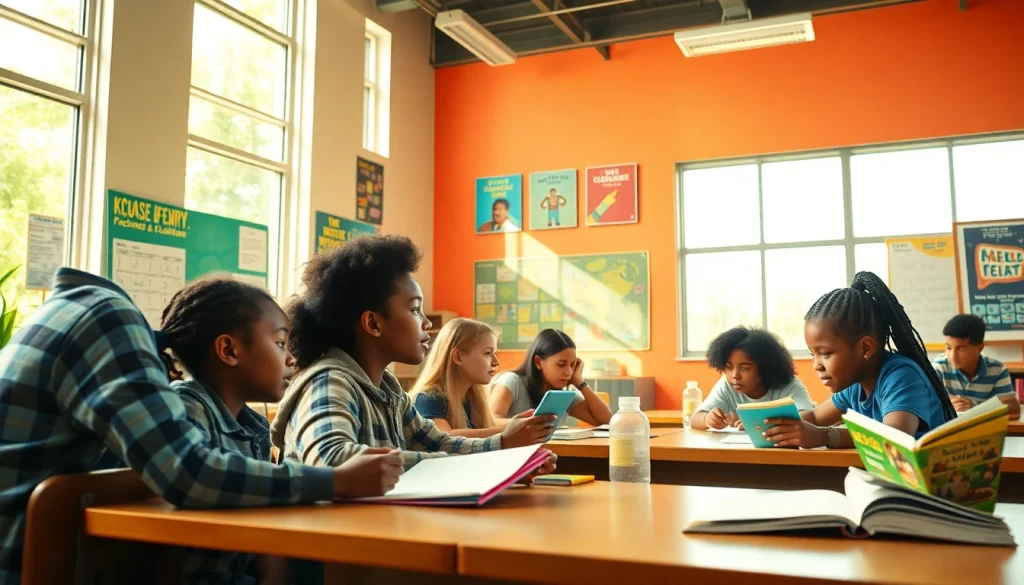
As we move further into 2026, the conversation surrounding education equity continues to evolve and gain momentum. Education equity is not merely a buzzword; it is a fundamental pillar of a just society. It comprises the principles of fairness and justice, ensuring all students have access to high-quality education, resources, and opportunities for success. This article delves into various aspects of education equity, advocating for innovative approaches to reform that align with the values of freedom, equality, and justice. For insightful approaches to this pivotal topic, consider exploring the education strategies advocated by Dr. Matthew Lynch.
Defining Equity in Educational Contexts
Equity in education refers to the fair distribution of resources, opportunities, and treatment in the educational system, regardless of a student’s background or personal circumstances. Unlike equality, which implies the same resources for everyone, equity acknowledges the varying needs of students and aims to address disparities. This definition encompasses social, economic, and cultural factors that influence educational outcomes.
The Importance of Equal Access to Learning Resources
Equal access to learning resources is critical for fostering an equitable education system. Availability of robust curricular materials, effective teaching practices, and technology should not be determined by geographic location or socioeconomic status. For instance, schools in urban areas may have access to advanced STEM programs, while those in rural settings may struggle with outdated technology. Bridging this gap requires policymakers to prioritize investments in underfunded schools, ensuring every student has the tools necessary to succeed.
Case Studies on Effective Educational Reform
Several case studies illustrate the successful implementation of education equity initiatives. For example, the “Equity and Excellence” program introduced in various districts across the United States has dramatically increased graduation rates among historically marginalized students. This approach includes tailored support such as mentoring, tutoring, and family engagement programs, creating an environment where diverse student populations can thrive.
Innovative Teaching Methods Transforming Classrooms
Innovative teaching methods are vital for transforming classrooms into dynamic environments that foster equity and engagement. As we face the challenges of the modern educational landscape, instructors must adapt their practices to meet the evolving needs of their students. The following sections explore various innovative approaches shaping the future of education.
Project-Based Learning as a Tool for Deep Understanding
Project-based learning (PBL) encourages students to engage deeply with educational content through hands-on projects that address real-world problems. This method fosters critical thinking, collaboration, and creativity, allowing students to develop a profound understanding of subjects. Schools implementing PBL report higher levels of student engagement and academic success, particularly among students from diverse backgrounds.
Integrating Technology for Enhanced Learning Experiences
Technology integration plays a crucial role in enhancing learning experiences. Utilizing interactive platforms and digital resources can help educators tailor lessons to meet individual student needs. For instance, adaptive learning technologies can provide immediate feedback, allowing students to learn at their own pace and address gaps in knowledge. Additionally, virtual reality (VR) tools can transport students to different environments, offering immersive learning experiences that transcend traditional classroom boundaries.
Culturally Responsive Teaching Practices
Culturally responsive teaching practices recognize and incorporate students’ diverse cultural backgrounds into the curriculum. This approach fosters respect and understanding among students, enhancing their educational experience. For example, when curricula reflect the histories and contributions of various cultures, students feel validated and more invested in their learning. Professional development for educators on culturally responsive pedagogy can significantly impact student engagement and achievement.
Fostering an Inclusive Learning Environment
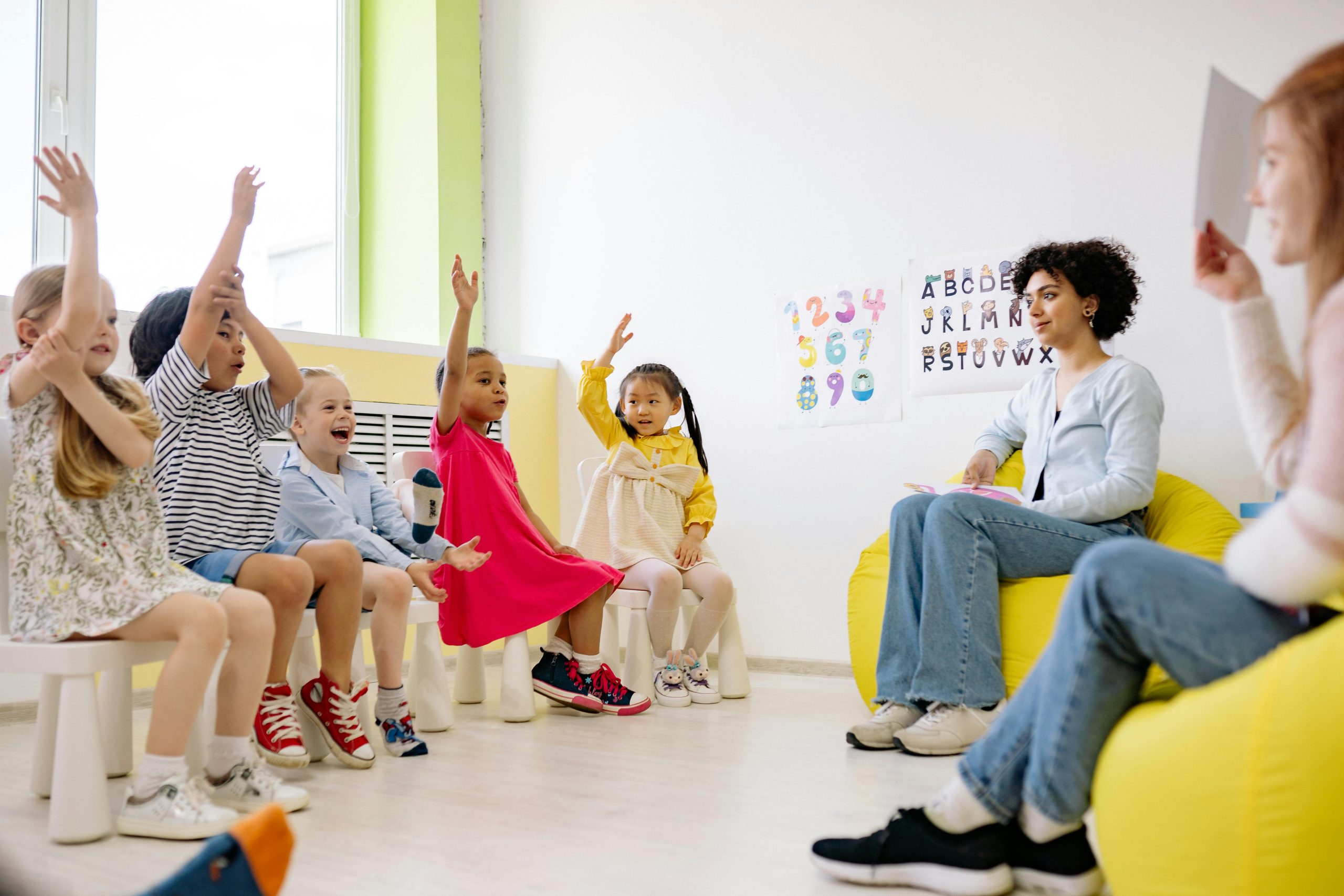
Fostering an inclusive learning environment is essential for promoting education equity. Creating spaces where all students feel valued and respected enhances their overall educational experience and academic outcomes. Below are key strategies for building inclusivity in schools.
The Role of Social-Emotional Learning in Education
Social-emotional learning (SEL) equips students with essential life skills, including emotional regulation, empathy, and interpersonal communication. By integrating SEL into the curriculum, educators foster supportive relationships among students and between students and teachers. This approach leads to a stronger sense of community and belonging, which is crucial for student success in diverse educational settings.
Strategies for Supporting Diverse Learners
Supporting diverse learners requires a multifaceted approach. Differentiated instruction, or tailoring teaching methods to accommodate individual learning preferences, is one effective strategy. Additionally, implementing tiered interventions allows educators to provide targeted support for students struggling with specific skills. Regular assessments and feedback help track student progress and inform instructional adjustments as needed.
Engaging Families in the Education Process
Family engagement is a critical component of fostering an inclusive educational environment. Schools can strengthen connections with families by providing resources and opportunities for involvement. Workshops, family nights, and regular communication help build trust and partnerships between educators and families, leading to enhanced student engagement and success.
Measuring Success in Educational Reforms
Measuring success in educational reforms is essential for continuous improvement in educational equity. It allows stakeholders to assess the effectiveness of programs and make data-driven decisions. The following subsections explore key performance indicators and assessment methods for evaluating educational initiatives.
Key Performance Indicators for Educational Equity
Establishing key performance indicators (KPIs) is vital for assessing educational equity. Factors such as graduation rates, standardized test scores, and college enrollment rates provide valuable insights into the effectiveness of equity initiatives. Additionally, tracking student engagement and satisfaction through surveys can help identify areas for improvement.
Assessing Student Outcomes and Engagement
Regular assessments are essential for evaluating student outcomes and engagement. Standardized tests, formative assessments, and observational tools can provide insights into student learning and development. Comprehensive data analysis facilitates the identification of trends and gaps in performance, empowering educators to implement targeted interventions.
Feedback Mechanisms for Continuous Improvement
Feedback mechanisms, including teacher evaluations and student surveys, are crucial for refining educational practices and policies. By fostering a culture of transparency and open communication, schools can gather valuable input from educators, students, and families, enabling continuous improvement in instructional strategies and learning environments.
Future Trends in Education and Possible Innovations for 2026
As we look ahead to 2026, several trends and innovations are expected to shape the future of education. Embracing these changes will be critical for promoting equity and meeting the needs of today’s learners.
The Impact of AI and Machine Learning on Learning
The integration of artificial intelligence (AI) and machine learning into educational practices holds tremendous potential for personalized learning experiences. These technologies can analyze student data to create tailored learning pathways, ensuring that each student receives instruction suited to their unique strengths and areas for growth. The effective use of AI can also facilitate differentiated instruction, helping to close educational gaps.
Predictions for Remote Learning Evolution
Remote learning has become increasingly prevalent, particularly in the wake of the global pandemic. Predictions suggest an ongoing evolution in remote learning methods, with hybrid models combining in-person and virtual learning continuing to gain traction. Schools must invest in high-quality digital resources and training for educators to ensure that remote learning remains effective and equitable.
How Global Movements Are Shaping Education Policy
Global movements advocating for education equity, social justice, and environmental sustainability are significantly influencing educational policy. This interconnectedness highlights the importance of preparing students not only for academic success but also for active citizenship in a global society. Policymakers must consider these movements when crafting legislation to ensure that educational reforms reflect the values and needs of diverse populations.