
What Is Cupping Therapy? Understanding Its Role in Physical Therapy
Cupping therapy has gained significant attention in recent years as a complementary treatment for various physical ailments and wellness goals. But what is cupping therapy exactly, and how does it fit into modern physical therapy practices? At Control Physical Therapy in Tempe, AZ, we often integrate cupping as part of a holistic approach to help our patients recover faster and manage pain more effectively.
In this article, we’ll explore what cupping therapy is, its benefits, how it works, and what patients can expect during a session. Whether you’re curious about alternative therapies or considering cupping as part of your recovery plan, this guide will provide clear, expert insights grounded in experience and clinical knowledge.
What Is Cupping Therapy? An Overview
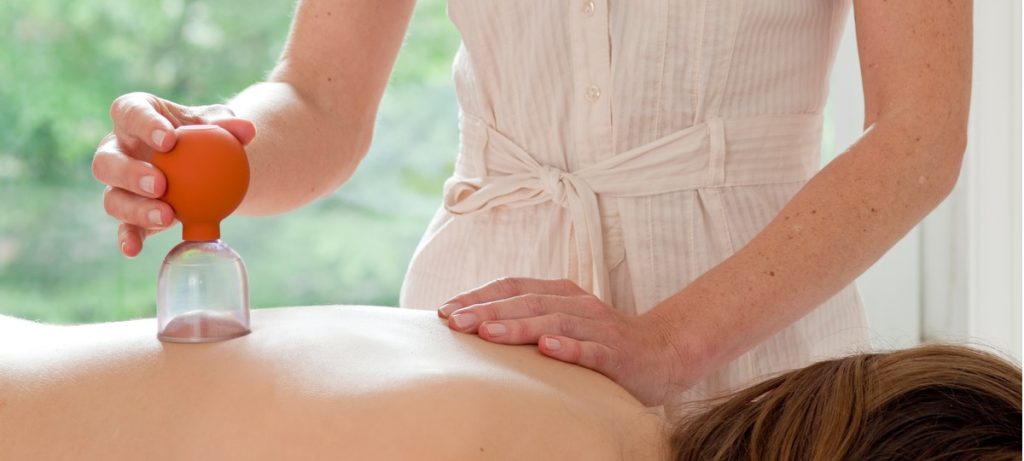
Cupping therapy is an ancient healing practice that involves placing suction cups on the skin to create a vacuum effect. This suction helps to increase blood flow, relieve muscle tension, and promote healing in targeted areas. While cupping has roots in traditional Chinese medicine, it is increasingly embraced in Western physical therapy for its potential to support musculoskeletal recovery.
The therapy uses small cups made of glass, silicone, or plastic. These cups are applied to the skin, creating suction either through heat or mechanical pumps. The negative pressure lifts the skin and underlying tissues, encouraging circulation and reducing inflammation.
How Does Cupping Therapy Work in Physical Therapy?
In a clinical setting, cupping therapy is often used alongside other physical therapy techniques like manual therapy, stretching, and strengthening exercises. The suction effect helps:
- Increase blood flow to affected muscles and tissues
- Reduce muscle tightness and trigger points
- Promote lymphatic drainage to decrease swelling
- Encourage relaxation of the nervous system
- Speed up recovery after injuries or strenuous exercise
At Control Physical Therapy, our licensed therapists customize cupping treatments based on your specific condition and recovery goals, ensuring it complements your overall therapy plan effectively.
Different Types of Cupping Therapy
Understanding the variations of cupping therapy can help you decide what might be most appropriate for your needs:
1. Dry Cupping
The most common form, dry cupping, uses suction cups without any incisions. The cups are placed on the skin and left in place for several minutes to stimulate circulation.
2. Wet Cupping
Wet cupping involves small, controlled skin incisions followed by suction to draw out fluids. This method is less common in physical therapy and more traditional in alternative medicine.
3. Massage Cupping
This technique combines the suction of cups with a gliding motion over the skin. It can be particularly helpful for loosening tight muscles and improving tissue mobility.
What Are the Benefits of Cupping Therapy?
Cupping therapy offers several benefits supported by both traditional use and growing scientific evidence:
- Pain Relief: By improving blood flow and releasing muscle tension, cupping can reduce chronic pain conditions like back pain, neck stiffness, and migraines.
- Improved Mobility: Loosening tight muscles and connective tissues helps restore range of motion and function.
- Reduced Inflammation: Cupping may aid in reducing localized swelling and inflammation by enhancing lymphatic drainage.
- Stress Reduction: The relaxing effect of suction and increased circulation can help lower stress levels and promote overall well-being.
- Faster Recovery: Athletes often use cupping to accelerate recovery from intense workouts or injuries.
What to Expect During a Cupping Therapy Session
If you’re new to cupping therapy, knowing what to expect can help ease any concerns:
- Initial Assessment: Your therapist will evaluate your condition and discuss whether cupping is suitable for you.
- Preparation: The area to be treated is cleaned, and cups are selected based on size and method.
- Application: Cups are applied with suction, which may feel like a firm pull but should not be painful.
- Duration: Cups typically remain in place for 5 to 15 minutes depending on treatment goals.
- Aftercare: You might notice circular marks or mild bruising where cups were placed. These marks are normal and fade within a few days.
Who Can Benefit from Cupping Therapy?
Cupping therapy is a versatile treatment option that can benefit:
- Individuals with chronic pain conditions such as arthritis or fibromyalgia
- Athletes recovering from muscle strain or overuse injuries
- Patients undergoing rehabilitation from surgery or injury
- Anyone experiencing muscle tightness or stress-related tension
However, cupping is not suitable for everyone. People with skin conditions, blood clotting disorders, or certain medical implants should consult with their healthcare provider before trying cupping.
Incorporating Cupping Therapy into Your Physical Therapy Plan
Cupping therapy is most effective when integrated into a comprehensive physical therapy regimen. At Control Physical Therapy, our experienced therapists combine cupping with evidence-based practices such as:
- Manual therapy and soft tissue mobilization
- Therapeutic exercises tailored to your needs
- Postural correction and ergonomic advice
- Pain management strategies including education and modalities
This multifaceted approach ensures that cupping supports long-term recovery, not just temporary relief.
Tips for Maximizing the Benefits of Cupping Therapy
To get the most from your cupping sessions, consider these tips:
- Stay Hydrated: Proper hydration supports circulation and healing.
- Communicate: Inform your therapist about any discomfort or skin reactions.
- Follow Aftercare Instructions: Avoid heavy exercise or heat exposure immediately after cupping.
- Combine Therapies: Use cupping alongside stretching and strengthening exercises as recommended.
- Schedule Regular Sessions: Consistency can improve outcomes, especially for chronic conditions.
Addressing Common Myths About Cupping Therapy
There are several misconceptions about cupping that can deter people from trying it:
- Myth: Cupping leaves permanent bruises.
Reality: The marks from cupping are temporary and typically disappear within a week. - Myth: Cupping is painful.
Reality: Cupping should not be painful; you may feel a pulling sensation that is usually comfortable. - Myth: Cupping replaces traditional medical treatment.
Reality: Cupping is a complementary therapy and works best when combined with conventional treatments.
Why Choose Control Physical Therapy for Your Cupping Therapy?
At Control Physical Therapy, we bring together clinical expertise and personalized care to ensure your treatment plan is both safe and effective. Our licensed therapists are trained in the latest cupping techniques and follow strict hygiene standards. We tailor each session to your unique needs, whether you’re recovering from injury, managing chronic pain, or aiming to improve mobility.
With our comprehensive approach, you receive more than just cupping you get a full support system focused on your health and recovery.
Take the Next Step: Experience Cupping Therapy with Control Physical Therapy
Curious about how cupping therapy can support your wellness journey? Contact Control Physical Therapy in Tempe, AZ, to schedule a consultation. Our team is ready to guide you through a customized treatment plan designed to enhance your recovery and improve your quality of life.
Visit us at controlphysicaltherapy.com or call us today to learn more about what cupping therapy can do for you.