
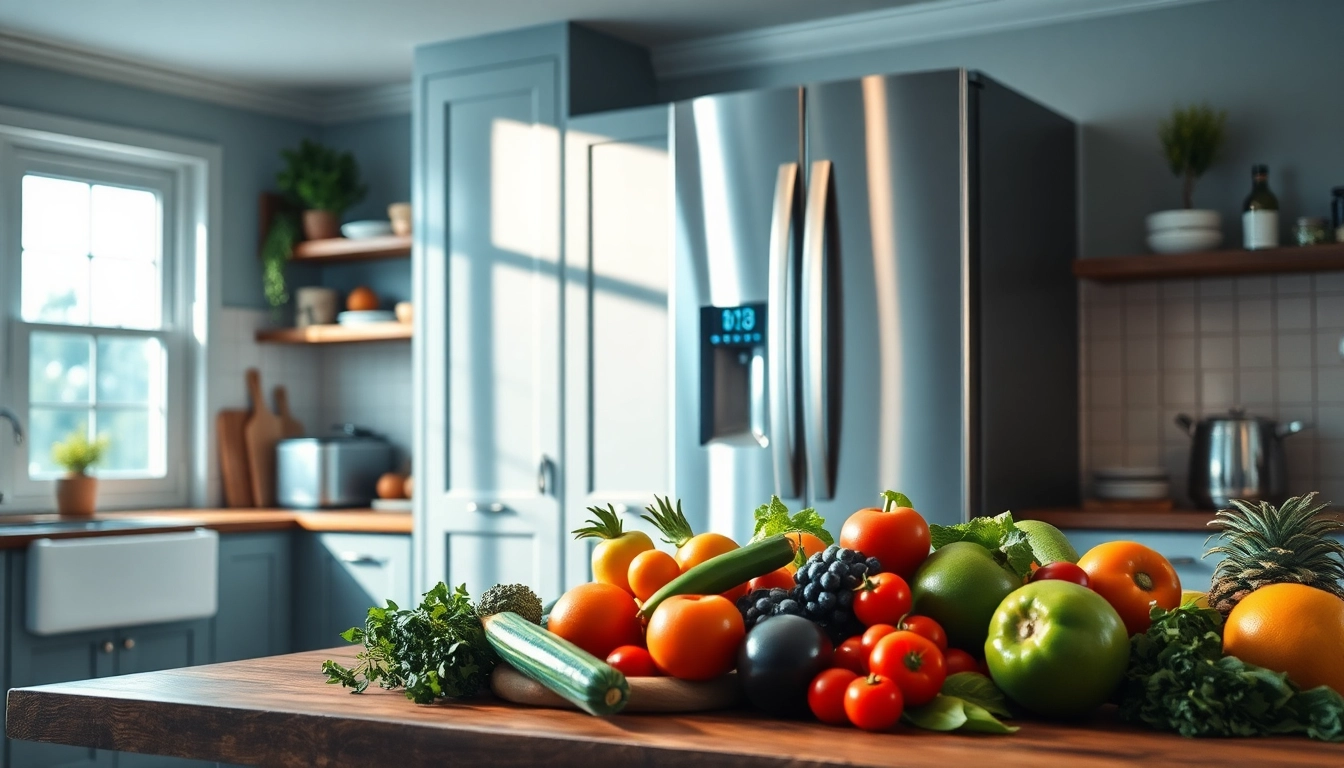
Understanding the Basics of Refrigerator Types
Choosing the right Refrigerator for your kitchen can significantly affect your daily life, from food storage to energy efficiency. With a broad spectrum of refrigerator types available, each designed to meet different needs and preferences, having a robust understanding of these variations is crucial. Below, we explore three of the most popular types of refrigerators, detailing their features, benefits, and potential drawbacks, so you can make an informed decision that enhances your culinary experience.
Top Freezer Refrigerator Overview
The top freezer refrigerator is a traditional design that has remained popular for decades. Typically featuring a freezer compartment positioned above the refrigerator section, this style provides a straightforward, familiar layout. One of the key advantages of this design is its affordability; top freezer models often come with a lower price tag compared to other styles. Additionally, they often offer more usable space, maximizing vertical storage for both fresh food and frozen goods.
In terms of energy efficiency, many top freezer refrigerators boast excellent ratings, making them a budget-friendly choice over the long haul. However, one downside is that you need to bend down to access the fridge portion, which can be less convenient for some users. Despite this, the functionality and practicality of top freezer models make them an enduring favorite in homes worldwide.
Side-by-Side Refrigerator Benefits
Side-by-side refrigerators feature two vertical compartments, with the refrigerator on one side and the freezer on the other. This design offers a modern appearance and easy access to both the refrigerator and freezer sections without having to open a large door. A significant benefit of side-by-side models is ample storage space for both fresh and frozen items, particularly since these units often include adjustable shelves and door bins.
Moreover, many modern side-by-side refrigerators come equipped with additional features like water and ice dispensers, which enhance convenience. While the setup typically requires a bit more kitchen space, the benefits of easy access and versatile storage options can make this model an appealing choice for busy households. However, reducing freezer capacity is a trade-off that users should consider when selecting a side-by-side model.
French Door Refrigerator Features
The French door refrigerator has surged in popularity in recent years, characterized by two full-width doors that open to reveal the refrigerator compartment, along with a separate freezer drawer at the bottom. This design allows for a wide opening, making it easier to access large items and facilitating food organization. Furthermore, many models feature advanced storage solutions, such as adjustable shelves, humidity-controlled crisper drawers, and flexible storage options for wine bottles or tall containers.
In terms of aesthetics, French door refrigerators often come with finishes that enhance kitchen decor, providing an upscale look. They may also include smart technology features that allow users to control temperature settings via smartphone apps. However, these refrigerators typically carry a higher price point and may require additional maintenance for the more complex mechanisms. Yet, for those who prioritize style and functionality, the French door design can be an investment worth making.
Key Features to Consider When Choosing a Refrigerator
When shopping for a new Refrigerator, it is essential to consider several key features that can impact your experience and satisfaction with the appliance. Understanding performance, convenience, and efficiency can help you identify the best model that fits your lifestyle. Below are some crucial features to keep in mind.
Energy Efficiency Ratings Explained
Energy efficiency ratings are critical when selecting a refrigerator, particularly in today’s environmentally-conscious world. The Energy Star label indicates that a unit meets strict energy efficiency guidelines set by the U.S. Environmental Protection Agency. Models with higher energy efficiency not only reduce electricity costs but also contribute to a lower carbon footprint.
Consumers are encouraged to look for energy-efficient models that utilize advanced insulation, energy-saving compressors, and LED lighting. Over the appliance’s lifespan, these features can result in significant savings on energy bills while helping to protect the environment.
Storage Capacity Needs for Every Household
Understanding your household’s storage capacity needs is a fundamental factor in choosing the right refrigerator. Assessing family size and typical grocery purchasing habits can give you a clear idea of how much space you’ll require. Refrigerators come in various sizes, typically measured in cubic feet, and can range from compact models for small apartments to larger models suitable for growing families.
It’s important to consider both the refrigerator and freezer space. Families with children or those who frequently entertain guests might require larger units that offer ample fresh food and frozen goods storage. Evaluating available kitchen space can also help narrow down your options, ensuring that the refrigerator fits seamlessly into your home.
Smart Technology: Is it Worth It?
Smart technology integration in modern refrigerators offers a range of advanced features that can simplify meal preparation and enhance convenience. From Wi-Fi enabled controls that can monitor temperature settings to touch screens that allow you to track inventories, smart refrigerators can provide significant advantages for tech-savvy users.
Additionally, some models can provide recipe suggestions based on available ingredients, alert you when the door is left ajar, or even generate grocery lists. While the initial cost of a smart refrigerator may be quite high, many users find the time-saving features and ease of use make it worthwhile, particularly in busy households.
Common Refrigerator Issues and Troubleshooting Tips
Despite efforts to choose the ideal Refrigerator and ensure its proper maintenance, you may encounter common issues over time. Understanding these problems and knowing how to troubleshoot them can save you time and money while ensuring your refrigerator operates efficiently. Below are common issues and effective solutions to address them.
What to Do if Your Refrigerator Is Not Cooling
If your refrigerator is not cooling effectively, there are several reasons this may occur. Begin by checking the thermostat settings to ensure that they are correctly set. If everything appears normal, inspect the condenser coils located at the back or bottom of the refrigerator for dust or buildup that may obstruct airflow. Cleaning these coils can often restore cooling functionality.
Another potential issue might involve the door seals. If they are damaged or not sealing properly, cold air could be escaping. Inspect the seals for wear and replace them if necessary. If the problem persists, it could indicate a malfunctioning compressor or refrigerant leak, which may require professional assistance.
Pest Control Measures for Refrigerator Longevity
Keeping pests away from your refrigerator can prevent unsanitary conditions and prolong its lifespan. Regular cleaning routines are essential; crumbs and spills can attract pests. Make sure to clean the area around your refrigerator, including the floor and back, where food particles may accumulate.
In addition to regular cleaning, consider using pest control measures, such as traps or natural deterrents, to prevent infestations. Keeping food sealed in airtight containers can also minimize the attraction for pests. Creating a hygienic environment can help maintain both a healthy kitchen and a well-functioning refrigerator.
If Your Refrigerator Makes Unusual Noises
It’s not uncommon for refrigerators to produce some operational sounds. However, if you notice unusual noises like banging, clicking, or continuous humming, it may indicate a concern needing attention. Begin by checking that the refrigerator is level, as an unbalanced appliance can generate excessive noise. Additionally, ensure that no objects are touching the exterior casing.
If noises persist, it could indicate issues within the compressor, evaporator fan, or defrost timer. Diagnosing these problems might require professional assistance. For minor sound complaints, such as quiet humming, it may be normal and benign—continuing regular monitoring can provide peace of mind.
Maintenance Tips for Prolonging Refrigerator Life
Proper maintenance is key to extending the lifespan of your Refrigerator and maximizing its efficiency. With regular care and timely servicing, you can ensure your refrigerator operates smoothly for many years. Here are important maintenance tips to consider.
Regular Cleaning and Care Instructions
Cleaning your refrigerator should be part of your routine care. Start by emptying the refrigerator and freezer every few months, removing all food items. Use a mixture of warm water and mild soap to wipe down shelves, door bins, and sides. Pay special attention to any spills or stains to maintain a hygienic environment.
Be sure to clean the door seals by wiping with a damp cloth to remove any accumulated grime that might impede airtight closures. Regular cleaning helps mitigate odors and encourages efficienc
When to Replace Filters and Why
Many modern refrigerators are equipped with water and air filtration systems that enhance food and water quality. For optimal performance, it’s crucial to replace water filters every six months or according to the manufacturer’s guidelines. Neglecting to change filters can lead to decreased water flow and may allow impurities in the water supply.
Additionally, if you notice a change in the taste or odor of your water or ice, it may indicate that the filter needs replacing. Regularly checking air filters, if applicable, is also essential for maintaining circulation within the refrigerator and preventing unpleasant odors.
Seasonal Maintenance Guide for Refrigerators
Seasonal maintenance can help ensure your refrigerator remains in optimal condition year-round. Before summer months, check for any issues like cooling problems or condensation. Cleaning the coils and inspecting door seals are prudent tasks to perform during this season.
In winter, especially if your refrigerator is placed in a garage or unheated area, monitor the temperature settings since extreme cold can affect performance. Regular seasonal checks can mitigate potential issues before they escalate, ensuring your refrigerator runs efficiently, regardless of the season.
FAQs about Refrigerator Selection and Maintenance
What size Refrigerator do I need for my family?
The size you need depends on family size and grocery habits. A general guideline is 3-4 cubic feet per person; adjust for larger families or frequent entertaining.
How can I improve my Refrigerator’s energy efficiency?
Enhance energy efficiency by cleaning condenser coils, maintaining seals, and using the energy-saving settings available on modern models.
What are the common signs of Refrigerator failure?
Common signs include unusual noises, inconsistent temperatures, leaking water, or settings not responding. If these occur, consider a professional diagnosis.
How often should I clean my Refrigerator?
Regular cleaning should occur every three months, while spills and spoiled food should be addressed immediately to maintain hygiene and performance.
Can I place my Refrigerator in a garage?
Refrigerators can be placed in garages, but ensure the model is designed for extreme temperatures to prevent performance issues in hot or cold conditions.