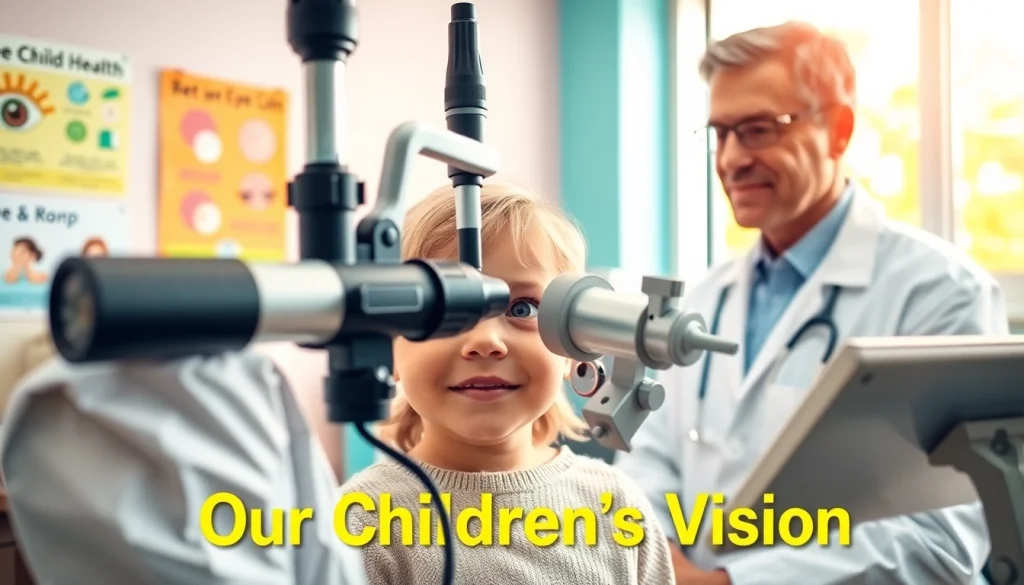
Understanding Our Children’s Vision Initiative
Our Children’s Vision is a pivotal initiative aimed at ensuring that children globally have access to essential eye care resources. Vision impairment in children is a silent epidemic that can lead to lifelong challenges in education and quality of life. This initiative highlights the crucial role of eye care in a child’s development, linking vision health to overall well-being. Eye care access is more than screenings; it involves comprehensive strategies to tackle the multifaceted barriers that prevent children from receiving adequate vision care.
The Importance of Eye Health for Children
Eye health is foundational for a child’s physical and cognitive development. Good vision is essential for learning, as children use their eyes to explore the world around them, engage in activities, and interact with peers. According to research, children with vision problems can experience difficulties in school, leading to lower academic performance and social challenges. Regular eye exams can help identify issues early, ensuring timely intervention and treatment. This is why initiatives like Our Children’s Vision are so critical; they provide knowledge, resources, and support to parents, schools, and communities.
Challenges in Accessing Vision Care
Despite the recognized importance of eye health, millions of children around the world remain undiagnosed or untreated for vision problems. Some of the most significant obstacles include:
- Lack of Awareness: Many parents and caregivers are unaware of the importance of regular eye exams for children.
- Economic Barriers: Costs associated with eye care services can be prohibitive for low-income families.
- Geographic Accessibility: Children in rural or underserved areas often lack access to specialized eye care services.
- Cultural Beliefs: In some communities, cultural misconceptions can prevent families from seeking necessary medical assistance.
Addressing these challenges requires comprehensive educational outreach, increased availability of services, and supportive policies that prioritize children’s eye health.
Goals of Our Children’s Vision Program
The primary goal of the Our Children’s Vision initiative is to enhance access to vision care for all children regardless of their geographical or socio-economic circumstances. Key objectives include:
- Awareness Raising: Educating communities about the importance of eye health and regular screenings.
- Building Partnerships: Collaborating with local organizations, schools, and health providers to create a unified approach to support children’s vision health.
- Providing Resources: Implementing programs that provide free or low-cost eye exams and necessary eyewear to children in need.
- Advocating for Policy Changes: Urging local governments and organizations to create policies that improve access to vision care.
Community Engagement Strategies
Building a successful initiative like Our Children’s Vision relies heavily on community engagement. This engagement fosters a culture of awareness and encourages action toward improving children’s eye health.
Building Awareness Around Children’s Vision Issues
Raising awareness about children’s vision issues is crucial in driving community action. Educational campaigns can be launched in schools, community centers, and online platforms to inform families about the signs of vision problems and the importance of regular eye exams. Providing informational materials in multiple languages can further broaden the campaign’s reach and inclusivity. Engaging stories of individuals impacted by vision impairments can also resonate with audiences, underscoring the urgent need for action.
Creating Partnerships for Better Access
Collaborations with local organizations such as schools, healthcare providers, and non-profit organizations can amplify the impact of Our Children’s Vision. By pooling resources and expertise, these partnerships can facilitate more comprehensive eye care services, including educational workshops, vision screenings, and access to affordable eye wear. Organizing community events where families can receive free screenings promotes accessibility and encourages proactive health behavior.
Grassroots Campaigns and Volunteer Efforts
Grassroots campaigns empower local communities to advocate for children’s eye health. Mobilizing volunteers — whether they are parents, teachers, or health workers — can create a powerful force for change. By training volunteers to conduct screenings and provide educational support, communities can leverage local knowledge and connections. Additionally, organizing events like walk-a-thons or awareness fairs can generate enthusiasm and funds towards increasing access to eye care services.
Innovative Solutions in Eye Care
As the landscape of healthcare evolves, innovative solutions have emerged to enhance the accessibility and quality of eye care for children.
Telemedicine in Improving Access
Telemedicine has revolutionized many aspects of healthcare, including eye care. Through virtual consultations, children in remote areas can receive expert advice without needing to travel significant distances. Telemedicine platforms can allow optometrists to perform initial assessments and recommend actions, significantly reducing the backlog of patients who require in-person services. This model not only saves time but can also serve as an educational tool, empowering parents with information on how to care for their child’s vision.
Mobile Clinics for Rural Communities
Mobile eye clinics present a practical solution for underserved areas. These clinics can travel to remote locations, providing comprehensive eye exams, screenings, and even immediate corrective measures, such as glasses. The mobility of these clinics expands the reach of eye care significantly and has the potential to fulfill an essential need in communities where permanent facilities may not exist. By ensuring that rural and vulnerable populations receive the care they need, mobile clinics are essential to the mission of Our Children’s Vision.
Technological Advancements in Eye Health
The integration of technology into eye care practices holds promise for more accurate diagnoses and improved patient experiences. Developments in artificial intelligence can aid in detecting vision problems through enhanced imaging techniques. Additionally, innovations in eyewear technology, such as blue-light filtering lenses and adjustable glasses, offer tailored solutions to common problems like screen fatigue in children. By staying at the forefront of technological advancements, initiatives can continuously improve their services and effectiveness in addressing children’s vision health.
Measuring Impact and Success
For any initiative, measuring impact is crucial in determining effectiveness and guiding future decisions. Our Children’s Vision utilizes various performance metrics and evaluative methods to assess the success and progress of their programs.
Performance Metrics for Our Children’s Vision
Key performance metrics can include the number of children screened, the number of referrals made for further treatment, and the accessibility of eye care services in previously underserved areas. Establishing clear benchmarks helps teams gauge their impact over time and can guide adjustments in strategy as needed. Regular reporting on these metrics not only helps with transparency but also fosters trust with stakeholders and communities.
Case Studies of Successful Interventions
Documenting success stories through case studies is invaluable for learning and advocacy. These narratives can present tangible evidence of the positive effects of interventions undertaken by Our Children’s Vision. For example, detailing a case where a mobile clinic significantly increased access to eye care in a specific community can inspire other areas to adopt similar initiatives. These stories can also be used as powerful advocacy tools to secure funding and support from larger organizations interested in children’s health.
Feedback Mechanisms from Beneficiaries
Feedback from families that have received services is essential in refining Our Children’s Vision programs. Surveys and focus groups can provide insights into what works well and what needs improvement. Importantly, ensuring that feedback is collected in a comprehensive and respectful manner is crucial to building trust and encouraging ongoing participation from families. Listening to beneficiaries shapes future service delivery and aligns it more closely with community needs.
Getting Involved with Our Children’s Vision
The success of Our Children’s Vision also depends on the active participation of individuals and organizations committed to enhancing children’s eye health. There are numerous ways to get involved and make a lasting impact.
How to Volunteer or Donate
Individuals looking to contribute their skills or resources can volunteer in various capacities such as organizing community events, conducting screenings, or advocating in schools. Donations can also be a powerful means of support, funding eye care services, educational programs, and the operational costs of mobile clinics. Connecting with Our Children’s Vision provides channels for committed individuals to align their efforts with existing initiatives and make a tangible difference.
Advocacy for Children’s Eye Health Policies
Policy advocacy is a significant avenue for impactful involvement. Engaging with local governments and health organizations to promote policies that support children’s eye health can lead to systemic changes that benefit entire communities. Educating decision-makers about the importance of eye care and the barriers to access can drive policy improvements and funding allocations that expand services and resources for children.
Spreading the Word in Your Community
Community engagement is enhanced when individuals share knowledge. By educating others about the importance of eye health in children, community members can create a ripple effect that drives awareness and action. Hosting workshops, distributing information, or even utilizing social media platforms to share insights can help amplify the message of Our Children’s Vision, ensuring more families understand the value of caring for their children’s vision health.