

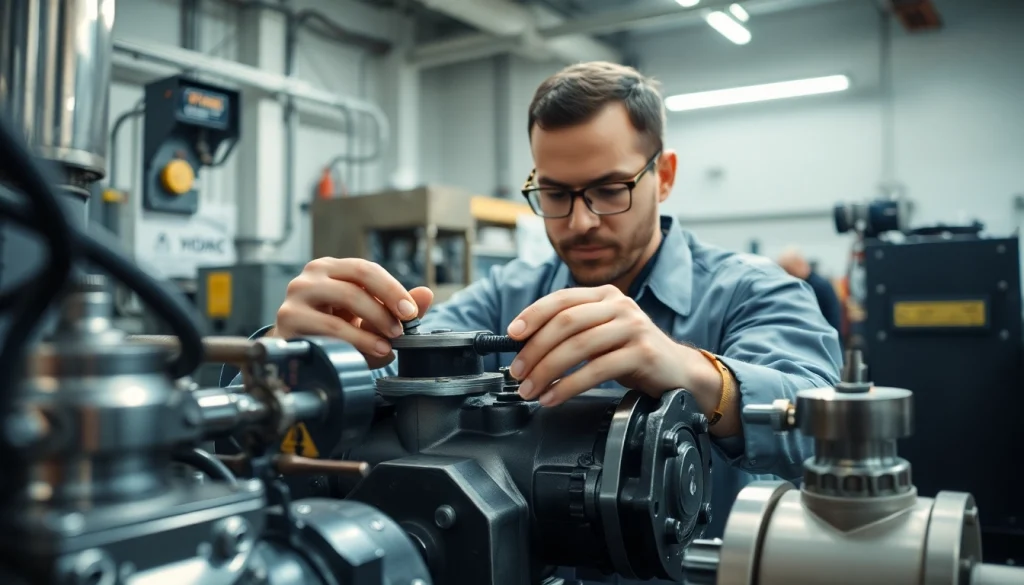
Understanding Hydraulic Systems
What is a Hydraulic System?
A hydraulic system is a mechanism that utilizes pressurized fluid to perform various tasks. It is based on Pascal’s principle, which states that when pressure is applied to a confined fluid, it is transmitted undiminished throughout the fluid. This principle allows hydraulic systems to move heavy loads with less effort, making them essential in industries such as construction, manufacturing, and automotive.
Key Components of Hydraulic Systems
The efficiency of a hydraulic system hinges on its various components. These include:
- Hydraulic Fluid: This is the lifeblood of a hydraulic system, transferring power and heat.
- Reservoir: Stores hydraulic fluid and allows for expansion and contraction.
- Pump: Converts mechanical energy into hydraulic energy by moving the fluid.
- Actuators: Convert hydraulic energy back into mechanical energy to perform work.
- Valves: Control fluid flow and pressure within the system.
- Filters: Remove contaminants from the hydraulic fluid to ensure proper operation.
Common Applications of Hydraulic Systems
Hydraulic systems are widely used across various industries, including:
- Construction Equipment: Excavators, bulldozers, and cranes rely on hydraulic systems for operation.
- Manufacturing: Hydraulic presses and lifting equipment are often used in production lines.
- Aerospace: Hydraulic systems are used for flight control systems in aircraft.
- Automotive: Power steering and braking systems employ hydraulic principles for better performance.
Importance of Hydraulic System Maintenance
Why Regular Maintenance Matters
Regular maintenance of hydraulic systems is crucial for ensuring optimal performance and longevity. Like any machine, hydraulic systems can experience wear and tear over time. Regularly scheduled maintenance can identify potential issues before they develop into costly repairs. Furthermore, it enhances safety, efficiency, and reliability.
Consequences of Neglecting Maintenance
Neglecting hydraulic system maintenance can lead to catastrophic failures. Common consequences include:
- Increased Downtime: Equipment may break down unexpectedly, causing delays.
- Higher Repair Costs: Minor issues can escalate into major repairs if not addressed promptly.
- Safety Hazards: Malfunctioning hydraulic systems can pose serious safety risks to operators and nearby workers.
Cost Benefits of Proper Maintenance
Investing in regular hydraulic system maintenance can yield significant cost savings. By implementing preventive techniques, companies can:
- Extend Equipment Life: Proper upkeep can prolong the lifespan of hydraulic components.
- Reduce Operational Costs: Well-maintained systems operate more efficiently, lowering energy costs.
- Enhance Resale Value: Equipment that has been maintained is likely to have a higher resale value.
Best Practices for Hydraulic System Maintenance
Routine Inspection Procedures
Establishing a routine inspection schedule is essential for effective hydraulic system maintenance. Inspections should include:
- Visual Checks: Look for signs of leaks, corrosion, and physical damage.
- Performance Monitoring: Regularly assess how the system operates under load and identify any irregularities.
- Electrical System Checks: Ensure all electrical components are functioning correctly to avoid operational disruptions.
Fluid Checks and Replacement
The hydraulic fluid plays a major role in a hydraulic system’s performance, so it is vital to regularly check its condition. Key practices include:
- Fluid Level Checks: Regularly confirm the fluid levels and top up as necessary.
- Contamination Testing: Test the fluid for contaminants, which can cause damage to hydraulic components.
- Scheduled Fluid Replacement: Replace fluid as recommended by manufacturers to ensure optimal performance.
Preventive Maintenance Techniques
Implementing preventive maintenance can significantly enhance the reliability of hydraulic systems. Effective techniques include:
- Regular Filter Changes: Change filters according to the manufacturer’s specifications to avoid contamination.
- Seals and Gaskets Inspection: Regularly inspect seals for wear and replace them to prevent leaks.
- Calibration of Safety Devices: Ensure safety devices are calibrated and function correctly to ensure system protection.
Signs Your Hydraulic System Needs Attention
Identifying Performance Issues
Recognizing performance issues early can prevent more extensive damage. Common signs include:
- Unusual Noises: Grinding or whining noises can indicate pump or actuator problems.
- Poor Response Times: Delays in actuation can indicate pressure loss or fluid contamination.
- Overheating: Elevated temperatures may indicate inadequate fluid or excess friction within moving parts.
Common Warning Signs
There are several warning signs that indicate your hydraulic system may need immediate attention:
- Visible Leaks: Fluid leaks around connections or joints should be addressed immediately.
- Inconsistent Pressure Readings: Fluctuating pressure indicates a potential problem with the pump or relief valve.
- Unstable Load Handling: If your machinery struggles to lift or hold loads, it may indicate system malfunction.
When to Seek Professional Help
If any serious issues are detected, it is crucial to seek professional help promptly. Signs that you require an expert include:
- Strange Odors: Burning smells can indicate overheating or electrical faults.
- Sudden System Failures: Total system failure warrants immediate technical assessment.
- Repeated Issues: Constant leaks or performance issues indicate a deeper problem requiring expert analysis.
Future Trends in Hydraulic System Maintenance
Technological Advances in Maintenance
The future of hydraulic system maintenance is rapidly evolving due to technological advancements:
- IoT Integration: Smart sensors are being used to monitor system health in real time, enabling predictive maintenance.
- Data Analytics: Big data is increasingly used to identify trends and inform maintenance schedules based on usage patterns.
- Remote Monitoring: Systems can now be monitored remotely to allow for immediate response to potential issues.
Innovations in Hydraulic Components
Innovations in hydraulic components are making systems more efficient and easier to maintain:
- Improved Seal Designs: New seal technologies reduce leaks and enhance durability.
- Advanced Fluid Technologies: Development of synthetic fluids that offer better performance and longer service intervals.
- Modular Components: Modular designs allow for easier upgrades and replacement of failed parts.
Preparing for the Future of Hydraulics
To prepare for the future of hydraulic systems, companies must invest in training and technology:
- Employee Training: Investing in training workers on new technologies and maintenance practices is essential.
- Regular Upgrades: Staying current with the latest advancements in hydraulic technology can improve efficiency.
- Adopting a Preventive Mindset: Emphasizing preventive maintenance will save time and resources in the long run.
Frequently Asked Questions
What are the signs that my hydraulic system needs maintenance?
Signs of required maintenance include unusual noises, visible leaks, erratic pressure readings, and inconsistent load handling.
How often should I check my hydraulic fluid levels?
Hydraulic fluid levels should be checked regularly, ideally at least once a week, or as specified by the manufacturer’s recommendations.
What happens if I neglect hydraulic system maintenance?
Neglecting maintenance can lead to increased downtime, higher repair costs, safety risks, and decreased operational efficiency.
Can I perform hydraulic system maintenance myself?
Yes, basic maintenance tasks like fluid checks and visual inspections can often be done by operators, but professional assessments are recommended for complex repairs.
What is the importance of using the right hydraulic fluid?
Using the correct hydraulic fluid is crucial as it ensures optimal performance, cooling efficiency, and prevents damage to components.