
Introduction to Construction Safety Training
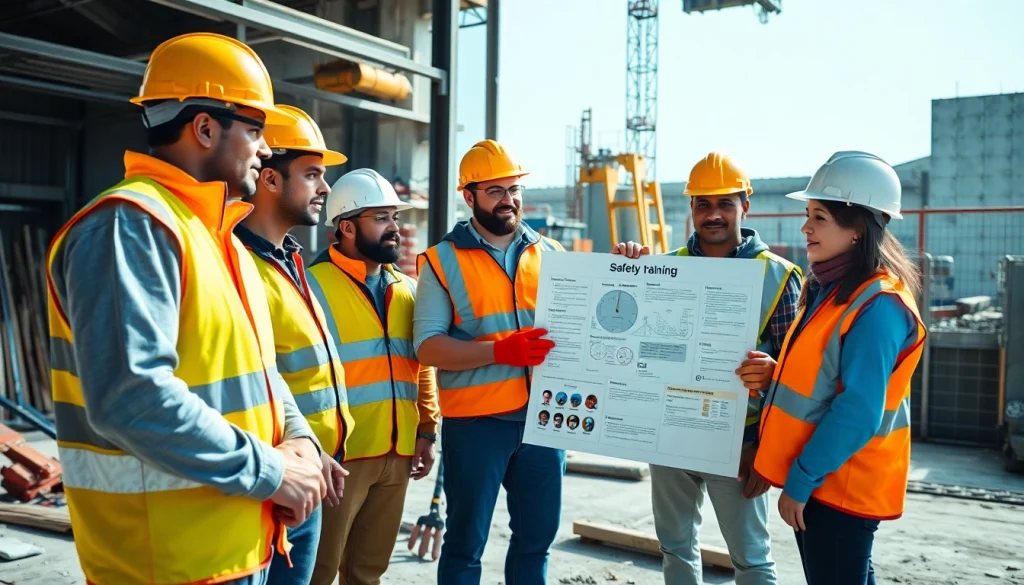
Construction safety training is not just a regulatory requirement; it is a cornerstone of operational excellence that protects workers and enhances productivity on job sites. Every year, thousands of construction workers are injured or lose their lives due to preventable accidents. By integrating comprehensive construction safety training into project planning, stakeholders can foster a culture of safety that minimizes risks and promotes the well-being of all involved.
Importance of Construction Safety Training
The importance of construction safety training cannot be overstated. Effective training reduces the incidence of workplace accidents, which not only protects human lives but also reduces costs associated with medical bills, workers’ compensation claims, and legal fees. Furthermore, well-trained employees are better equipped to respond to emergencies, recognize hazards, and take proactive measures to avoid risks, which collectively can enhance morale and improve overall site productivity.
Key Regulations and Standards
Understanding relevant regulations and standards is crucial for implementing successful construction safety training. Organizations like the Occupational Safety and Health Administration (OSHA) set guidelines that dictate safety protocols. Training programs should be designed to meet or exceed these regulatory requirements to ensure compliance and safeguard employees. This includes coverage of topics such as fall protection, scaffolding safety, and the proper use of personal protective equipment (PPE).
Understanding Risk Assessment in Construction
Risk assessment is a fundamental component of construction safety training. It involves identifying potential hazards, evaluating the likelihood of occurrence, and determining the consequences of those hazards. A thorough risk assessment enables organizations to prioritize safety measures and create effective training strategies tailored to their specific work environments. Understanding how to assess risk not only informs training content but also helps workers develop a proactive mindset toward safety on site.
Core Components of Effective Training Programs
To ensure that construction safety training is impactful, several core components must be integrated into the programs. These components revolve around practical knowledge, effective communication, and hands-on experience.
Proper Use of Personal Protective Equipment (PPE)
PPE is the first line of defense against job site hazards. Training should include specific directives on the types of PPE required for different tasks, proper usage, maintenance, and limitations of each piece of equipment. Workers should understand why PPE is essential and how to select the right gear for their tasks. Simulated exercises and demonstrations can greatly enhance the engagement and retention of this critical information.
Hazard Recognition and Response Training
Hazard recognition and response training equips workers with the skills needed to identify upcoming risks before they lead to incidents. This segment of training should cover how to inspect the work area for hazards, the different categories of hazards, and appropriate responses when a hazard is detected. Role-playing scenarios can be particularly useful in reinforcing how to react effectively in real-world situations.
Site Safety Protocols and Procedures
Establishing site-specific safety protocols is vital for effective construction safety training. This includes developing and communicating clear procedures for emergency evacuations, spot-checks, and regular safety meetings. Establishing a chain of command for reporting unsafe conditions encourages accountability and ensures that safety concerns are addressed promptly. Training should include practical drills to familiarize all personnel with these procedures.
Innovative Training Strategies
As the construction industry evolves, so too must the training strategies employed to uphold safety standards. Innovative training methods can foster engagement and ensure that information is retained effectively.
Blended Learning Approaches
Blended learning combines traditional in-person instruction with online training resources, allowing for a more flexible and accessible approach to safety training. Online modules can cover theoretical knowledge at the learner’s pace, while in-person sessions can focus on hands-on practice and real-world applications. This versatility caters to different learning styles and enhances knowledge retention.
Utilizing Virtual Reality in Safety Training
Virtual reality (VR) technology is transforming the way safety training is conducted in construction. VR environments can simulate real-life scenarios and hazards, allowing workers to practice responses in a safe setting. This immersive experience not only captures attention but also helps in cementing lessons learned, making participants better prepared for actual conditions they will face on-site.
Engaging Workers with Interactive Sessions
Interactive training sessions, which might include group activities, discussions, and team-building exercises, are crucial for engaging workers and promoting collaboration. These sessions should encourage participation, allowing workers to share their experiences, voice concerns, and discuss solutions to potential safety issues. Creating a safe space for dialogue fosters a culture of safety that extends beyond training sessions.
Measuring the Impact of Safety Training
To ensure the effectiveness of construction safety training, it is essential to measure its impact continually. Evaluating training outcomes enables organizations to refine their programs and make data-driven improvements.
Evaluating Training Effectiveness
Evaluating the effectiveness of safety training involves assessing how well participants have understood and can apply the learned concepts. Techniques such as pre-and post-training assessments, practical evaluations, and on-the-job observations can provide valuable insights into the training’s impact. Feedback from participants is also crucial, as it can highlight strengths and areas for improvement in the training program.
Setting Key Performance Indicators (KPIs)
Establishing KPIs helps to objectively measure success in safety training initiatives. Common KPIs may include decreases in incident rates, improvements in adherence to safety protocols, and feedback scores from training participants. Regularly tracking these indicators allows organizations to identify trends, evaluate the effectiveness of training interventions, and the realignment of safety strategies as needed.
Case Studies on Improved Safety Records
Documenting case studies is a powerful way to illustrate the benefits of effective safety training. These case studies can demonstrate a direct correlation between comprehensive training programs and reductions in workplace accidents. Sharing stories of success can inspire other organizations to invest in their safety training efforts and adopt best practices that lead to improved safety records.
Frequently Asked Questions
What are the benefits of construction safety training?
Construction safety training reduces accidents, promotes compliance, and enhances worker morale by empowering employees with knowledge and skills to work safely.
Who should attend construction safety training?
All employees working on a construction site, including managers and subcontractors, should attend safety training to ensure a comprehensive understanding of safety protocols.
How often should safety training be conducted?
Safety training should be conducted regularly, typically annually, and also after any significant incident or when job specifications change to keep safety top of mind.
What topics are typically covered in safety training?
Topics include hazard identification, emergency response procedures, proper use of PPE, site-specific hazards, and best safety practices relevant to construction work.
Is online training effective for construction safety?
Yes, online training combined with hands-on practice can be highly effective. It allows flexibility while ensuring that essential safety concepts are taught and understood.