

Understanding Construction Classes
The construction industry is vital to the global economy, creating not only infrastructure but also a myriad of career opportunities for both skilled and unskilled workers. Engaging in construction classes provides individuals with essential knowledge and practical skills essential for success in this dynamic field. These classes cater not only to aspiring builders but also to those looking to enhance their existing skill sets. This article explores the essence of construction classes, essential skills learned, how to find the right classes, and impactful success stories that inspire future builders.
Defining Construction Classes
Construction classes are educational programs designed to equip participants with the skills and knowledge required for various roles within the construction industry. These courses may range from introductory sessions focused on fundamental concepts to advanced programs that delve deeply into specialized techniques and project management. Participants may learn about construction materials, architectural design, environmental regulations, and safety protocols, ensuring they are prepared for the challenges of building projects.
Types of Construction Classes
Construction classes can be categorized into several types, each catering to different needs and levels of expertise:
- Introductory Classes: Basic programs for beginners with no prior knowledge.
- Trade-Specific Training: Focused on specialized trades such as carpentry, plumbing, or electrical work.
- Project Management Courses: Teach skills related to overseeing construction projects effectively.
- Online and Hybrid Programs: Flexible learning options that combine online instruction with in-person workshops.
- Certification Preparation: Classes aimed at preparing individuals for industry-recognized certifications.
Benefits of Enrolling in Construction Classes
Enrolling in construction classes offers a multitude of benefits, such as:
- Skill Development: Gain practical skills suited for immediate application.
- Career Advancement: Improve employability and potentially lead to higher wages.
- Networking Opportunities: Connected with industry professionals and peers.
- Hands-On Experience: Engage in real projects that promote experiential learning.
- Updated Knowledge: Stay current with the latest regulations and technologies in construction.
Essential Skills Learned in Construction Classes
Hands-On Techniques
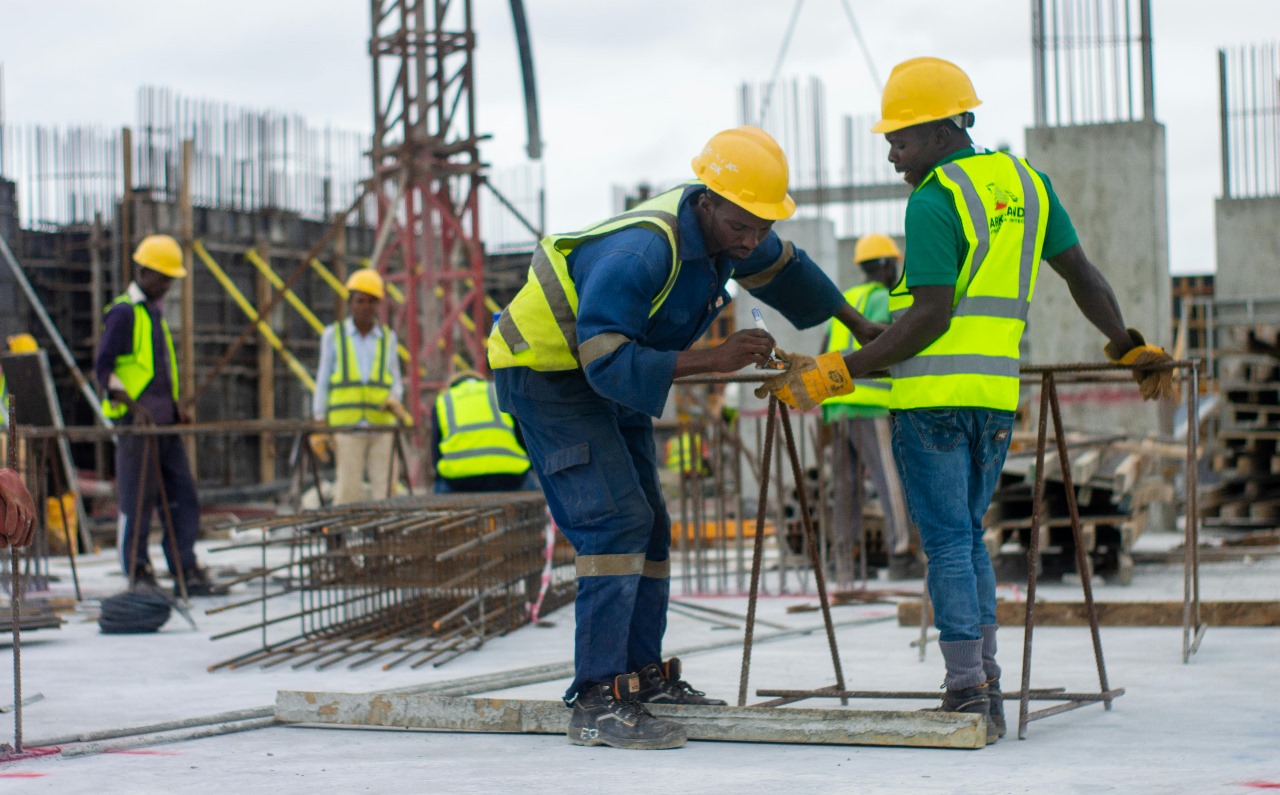
Construction classes emphasize practical skills gained through hands-on techniques. These skills encompass a wide range of areas including:
- Basic Carpentry: Learning how to handle tools, measure, and cut materials accurately.
- Electrical Systems: Understanding wiring layouts and safety measures.
- Plumbing Skills: Gaining features on how to install and repair systems efficiently.
Hands-on techniques are particularly beneficial as they allow participants to practice in simulated environments, instilling confidence and proficiency essential in real-world scenarios.
Project Management Fundamentals
Project management classes focus on the comprehensive skills needed to oversee construction projects from inception to completion effectively. Participants will learn about:
- Scheduling and Time Management: Efficiently planning project timelines.
- Budgeting: Managing financial resources for a project.
- Team Leadership: Leading diverse teams and fostering collaboration.
These fundamentals prepare students to navigate the often-complex dynamics of construction projects, optimizing resources and ensuring that milestones are met efficiently.
Safety Protocols and Compliance
Ensuring safety is paramount in the construction industry. Construction classes delve deep into essential safety protocols, which include:
- Health and Safety Regulations: Understanding OSHA regulations and compliance requirements.
- Hazard Identification: Recognizing and mitigating potential hazards on-site.
- Emergency Procedures: Establishing protocols for accidents and emergencies.
Knowledge of safety protocols not only protects workers but also minimizes liabilities for employers, making it a critical component of any construction education.
Finding the Right Construction Classes
Researching Local Offerings
When looking for construction classes, research local offerings that provide the type of training you need. Key steps include:
- Accreditation: Verify that the courses are accredited by reputable organizations.
- Curriculum Review: Examine course outlines to ensure topics match your career goals.
- Student Feedback: Read reviews from former students to gauge the quality of the program.
Local trade schools, community colleges, and vocational programs typically offer a variety of classes tailored to regional industry needs.
Evaluating Course Instructors
The quality of instruction is key to the effectiveness of any educational program. Consider the following when evaluating instructors:
- Experience: Look for instructors with substantial hands-on experience in the field.
- Teaching Credentials: Assess their qualifications and teaching history.
- Industry Connections: Instructors with industry ties can provide networking opportunities.
Instructors who combine academic knowledge with practical experience often provide the richest learning experience.
Understanding Class Formats: Online vs. In-Person
With technological advances, the format of construction classes has diversified. Understand the pros and cons of each:
- Online Classes: Flexible schedules and accessibility; however, may lack hands-on experience.
- In-Person Classes: Provide direct interaction with instructors and peers, offering immediate feedback on practical skills.
- Hybrid Programs: Combine both formats to balance flexibility with practical learning.
The choice of format should align with learning styles and commitments, ensuring you get the most beneficial educational experience.
Success Stories from Construction Classes
Alumni Experiences
Hearing from alumni can provide invaluable insights into the effectiveness of construction classes. Many have transformed their careers through focused training, sharing their journeys from initial skepticism to professional success. Their real-world experiences demonstrate how education can lead to rewarding careers.
Skill Applications in Real-World Scenarios
Graduates of construction classes often report applying skills learned in their programs to solve real-world challenges. From design to project implementation, these practical applications highlight the relevance of classroom learning in day-to-day construction tasks.
Impact on Career Advancement
Many participants attribute career advancement and salary increases to the competencies gained from construction classes. Acquiring specialized skills not only enhances their job performance but also positions them for promotional opportunities and leadership roles in their organizations.
Frequently Asked Questions About Construction Classes
What prerequisites are needed for construction classes?
No specific prerequisites; a strong interest in construction and dedication to learning are beneficial.
Can I take construction classes online?
Yes, many reputable institutions offer online construction classes for flexibility.
What careers can I pursue after construction classes?
Graduates can pursue careers like project managers, site supervisors, and skilled tradespeople.
How long do construction classes typically last?
Course duration varies; most last from a few weeks to several months, depending on the program.
Are construction classes affordable?
Costs can vary widely, but many options exist, including scholarships and financial aid.