
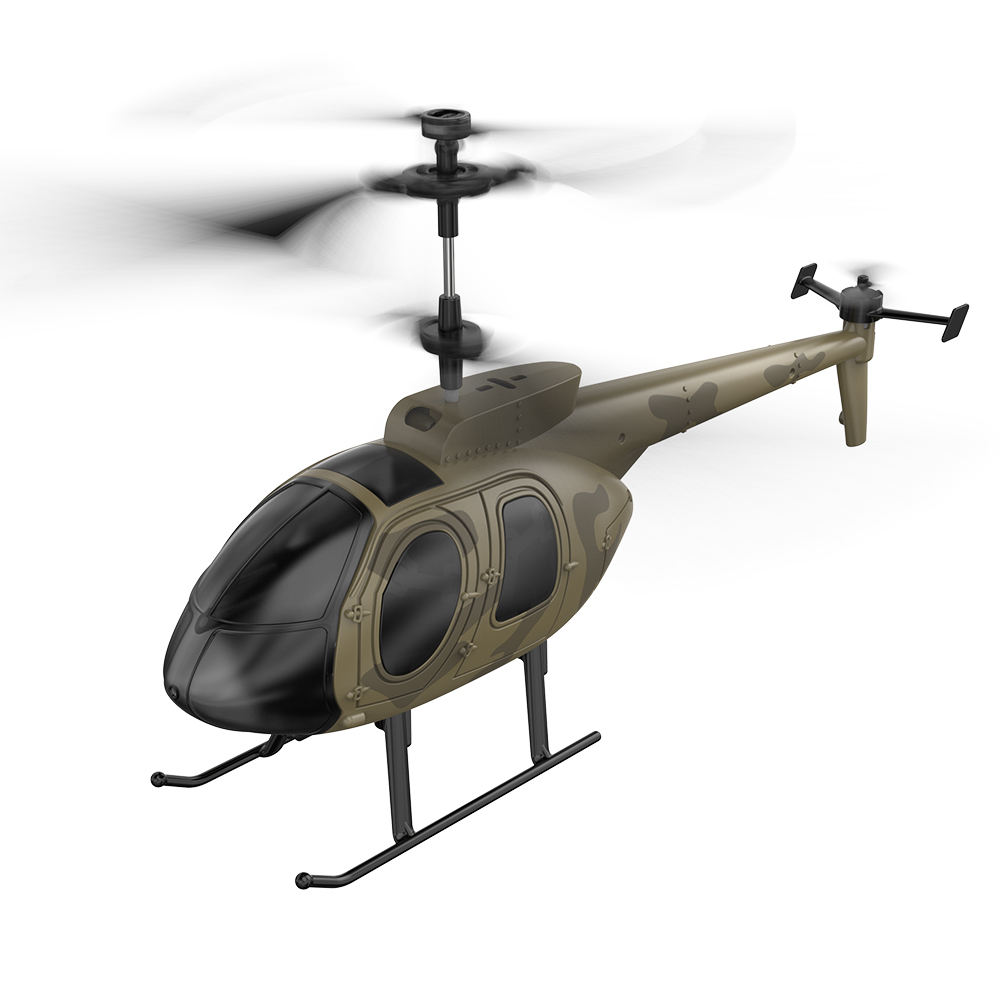
For RC enthusiasts, the thrill of flying an rc helicopter goes beyond casual enjoyment—it's a pursuit of precision, control, and advanced maneuverability. Modern advancements in RC helicopter designs have revolutionized the hobby, offering pilots the opportunity to execute complex aerobatics and enjoy unmatched stability. Whether you are a seasoned pilot or an aspiring hobbyist, understanding the latest innovations in RC helicopter engineering can elevate your flying experience to new heights.
Understanding the Evolution of RC Helicopters
The history of RC helicopters reflects a remarkable journey from simple toys to sophisticated aircraft capable of precision flight. Early models were often limited by mechanical instability and restricted control, making them suitable primarily for casual enthusiasts.
Technological Milestones
Advances in technology, such as the integration of gyroscopic stabilization, lightweight composite materials, and high-efficiency motors, have transformed RC helicopters into highly responsive machines. Modern rc helicopter models now feature:
- Digital flybarless systems for smoother flight control
- Advanced electronic speed controllers for motor efficiency
- Lightweight, durable frames for agile maneuvering
These innovations enable pilots to perform delicate maneuvers with unparalleled accuracy, bridging the gap between hobby-grade and professional-level aviation.
Key Features of Precision-Focused RC Helicopters
Precision flying demands more than just basic controls—it requires a helicopter engineered for responsiveness, stability, and accuracy.
Aerodynamic Design
A well-designed rotor system is the heart of any high-performance rc helicopter. Advanced rotor blades are crafted to minimize drag and optimize lift, allowing for smooth vertical climbs, sharp turns, and precise hovering. Carbon fiber and reinforced plastic materials enhance durability while keeping weight low, crucial for executing delicate flight patterns.
Stabilization Systems
Modern RC helicopters employ sophisticated stabilization systems, including gyros and flybarless technology. These systems automatically correct deviations caused by wind or pilot input errors, ensuring steady flight. For enthusiasts aiming for precision aerobatics, these features are essential, providing confidence during complex maneuvers like flips, rolls, and inverted hovering.
Power and Motor Efficiency
High-performance motors, often brushless, deliver consistent power output while remaining lightweight. Paired with lithium-polymer (LiPo) batteries, these motors enable extended flight times and rapid responsiveness to control inputs, essential for precision flying.
Advanced Control Systems for Enhanced Maneuverability
The evolution of RC helicopter control systems has redefined pilot interaction, providing fine-grained control over every aspect of flight.
Flybarless vs. Traditional Flybar Systems
Flybarless systems have largely replaced traditional flybar mechanisms due to their efficiency and precision. They offer:
- Reduced mechanical complexity
- Faster response times
- Compatibility with computerized flight controllers
Traditional flybar systems, while still favored by some hobbyists for their predictability, cannot match the advanced stability and control offered by flybarless designs.
Electronic Flight Controllers
Modern electronic flight controllers integrate gyroscopes, accelerometers, and real-time data processing to maintain optimal flight balance. Some high-end rc helicopter models include programmable controllers, allowing pilots to customize control sensitivity, flight modes, and stabilization parameters to suit specific flying styles.
Choosing the Right RC Helicopter for Precision Flying
Selecting the ideal helicopter depends on your skill level, budget, and intended use.
Beginner-Friendly Precision Models
Even entry-level pilots can enjoy advanced features today. Some beginner-friendly rc helicopter models come with built-in stabilization, pre-programmed flight modes, and lightweight frames, allowing new enthusiasts to practice precision flying without the steep learning curve.
Intermediate and Professional Options
Intermediate and professional models cater to pilots seeking more challenging aerobatics and full customization. These helicopters often feature:
- Carbon fiber frames for durability and light weight
- Brushless motors for superior power-to-weight ratio
- Programmable flight controllers for precision tuning
Investing in a high-quality model ensures a more immersive flying experience and allows enthusiasts to master advanced maneuvers.
Maintenance and Care for Optimal Performance
Precision flying is only possible with a well-maintained rc helicopter. Proper care extends the lifespan of components and preserves performance:
- Regular inspection: Check rotor blades, motor mounts, and electronic connections before each flight.
- Battery care: Proper charging and storage of LiPo batteries prevent performance loss and safety hazards.
- Cleaning: Dust, dirt, and debris can affect rotor balance and electronics; keeping the helicopter clean ensures smooth operation.
By adopting these practices, pilots can maintain consistent performance, crucial for executing precise aerial maneuvers.
The Future of RC Helicopter Designs
The next generation of RC helicopters promises even greater precision and control. Innovations such as AI-assisted flight stabilization, real-time telemetry feedback, and modular components are poised to redefine the hobby. With continuous improvements in materials, motors, and control systems, pilots can expect rc helicopter designs that are lighter, faster, and more responsive than ever before.
Conclusion
Advanced rc helicopter designs have opened a new era for enthusiasts who seek precision flying. From lightweight frames and sophisticated stabilization systems to programmable controllers and powerful motors, these helicopters offer a level of control that was once unimaginable. By understanding the technology, choosing the right model, and maintaining it properly, pilots can achieve remarkable precision and take their hobby to professional heights. Whether for aerobatic displays, military simulation, or personal enjoyment, mastering advanced RC helicopter designs is a rewarding pursuit that combines skill, technology, and pure aerial excitement.