1. Introduction to Iron Ore
A. What is Iron Ore?
Iron ore refers to a naturally occurring mineral from which metallic iron can be extracted profitably. The primary component of iron ore is usually iron oxides, and it’s characterized by dark, mineral-rich formations, mainly found in sedimentary rocks. Approximately 98% of the mined iron ore is used to produce steel, showcasing its critical role as a cornerstone of the construction and manufacturing industries. To learn more about its applications, visit iron ore.
B. Types of Iron Ore
There are four primary types of iron ore: hematite, magnetite, limonite, and siderite. Hematite consists mainly of iron oxide and is typically found in massive lumps or fine powder. Magnetite is black and highly magnetic, allowing it to be mined using magnetic means. Limonite is a yellowish-brown iron oxide and varies in composition, while siderite is a carbonate mineral containing iron. The distinct characteristics of these ores influence extraction methods and economic viability.
C. Importance of Iron Ore in Industry
The importance of iron ore extends far beyond its conversion into steel; it serves as a pivotal material in various engineering and manufacturing processes. For instance, its applications span construction, automotive, machinery, and numerous heavy industries, which heavily rely on steel for structural integrity. Furthermore, innovations in iron ore processing impact overall economic growth, energy consumption, and environmental standards.
2. Extraction and Processing of Iron Ore
A. Methods of Mining Iron Ore
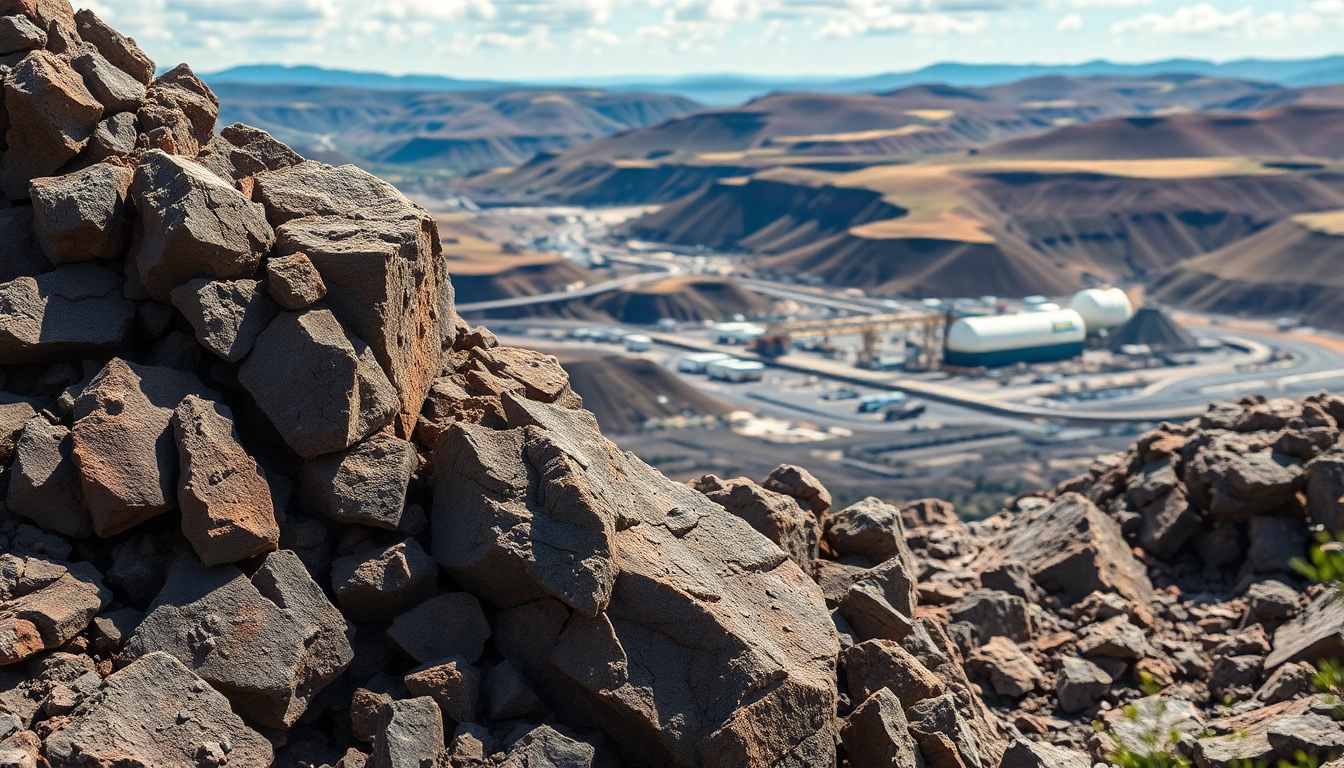
The extraction of iron ore predominantly occurs through surface methods such as open-pit mining. This involves removing overburden to access ore deposits near the Earth’s surface. Various techniques are employed, including truck-shovel, loader-excavator, and dragline mining. The chosen method is contingent upon ore depth, geography, and surrounding infrastructure.
B. Crushing and Screening Process
Once extracted, the iron ore undergoes crushing and screening to minimize its size and prepare it for beneficiation. The crushing process typically employs jaw crushers, cone crushers, or impact crushers, followed by a screening process to separate larger rocks from smaller particulates. This is critical in ensuring that the ore is of an appropriate size for subsequent refining stages.
C. Beneficiation Techniques
Beneficiation refers to the methods utilized to increase the iron content and decrease impurities in the ore. Common techniques include magnetic separation, gravity separation, and flotation. Magnetic separation leverages the magnetic properties of iron oxide, while gravity separation employs differences in density to isolate valuable minerals. Such processes are essential to enhance ore quality for steel production.
3. Global Iron Ore Market Trends
A. Current Pricing of Iron Ore
The pricing of iron ore can be volatile, depending on global demand, production rates, and economic conditions. Factors influencing pricing trends include market speculation, geopolitical stability, and advancements in mining technology. As the demand for iron and steel grows, particularly in emerging markets, the price of iron ore has seen significant fluctuations that warrant close attention from industry stakeholders.
B. Major Producers of Iron Ore
The global market for iron ore is predominantly supplied by a few countries, with Australia and Brazil being the largest producers. Other noteworthy contributors include China, India, and Russia. The dominance of these nations provides them with substantial leverage in the market and influences global pricing structures through supply chain dynamics.
C. Impact of Supply and Demand on Prices
The interplay between supply and demand critically affects iron ore prices. When demand surges—often driven by construction and industrial activities—prices tend to escalate. Conversely, during periods of economic slowdown or oversupply, prices typically decline. Understanding these dynamics is essential for manufacturers, investors, and policymakers alike to make informed decisions.
4. Environmental Considerations for Iron Ore Mining
A. Environmental Impacts of Mining
Iron ore mining is accompanied by considerable environmental challenges, including habitat destruction, water pollution, and soil erosion. The extraction process can lead to significant land degradation, necessitating comprehensive environmental assessments and the adoption of sustainable practices to mitigate ecological impacts. Recognizing and addressing these concerns is crucial for the industry's long-term viability.
B. Sustainable Mining Practices
The implementation of sustainable mining practices can significantly reduce environmental footprints. Techniques such as reforestation, efficient water usage, and energy conservation can lessen the negative impacts of mining operations. Moreover, transitioning to renewable energy sources for mining operations can complement sustainability efforts, promoting cleaner production methods throughout the industry.
C. Regulatory Frameworks
Environmental regulations imposed by governments worldwide aim to ensure sustainable mining practices. These frameworks often include mandatory environmental impact assessments and rehabilitation requirements for mining sites. Compliance with such regulations not only protects ecosystems but also enhances public perception and corporate responsibility, influencing investment decisions in the iron ore sector.
5. Future of Iron Ore Industry
A. Technological Advancements in Mining
The future of the iron ore industry is being shaped by ongoing technological advancements that promise to enhance efficiency and reduce environmental impact. Innovations such as automated machinery, data analytics for operational optimization, and artificial intelligence for predictive maintenance are revolutionizing traditional mining methods. These developments pave the way for a more sustainable and economically viable iron ore production process.
B. Emerging Markets and Opportunities
Emerging markets, particularly in Asia and Africa, present new opportunities for iron ore producers. As these economies grow, their demand for steel and thus iron ore is likely to increase. Developing strategic partnerships and supply chains in these regions can help companies leverage growth opportunities while also expanding their market presence.
C. Predictions for Iron Ore Demand
Analysts predict that the demand for iron ore will continuously rise, driven by infrastructure projects worldwide and increasing consumption in sectors such as automotive manufacturing and renewable energy technologies. As urbanization accelerates globally, the continuing need for steel will sustain iron ore requirements, making it a pivotal player in future economic development.
FAQs about Iron Ore
1. What is iron ore primarily used for?
Iron ore is primarily used to produce steel, accounting for approximately 98% of its industrial use.
2. Which countries are the largest producers of iron ore?
Australia and Brazil are the largest producers, followed by China, India, and Russia.
3. How is iron ore mined?
Iron ore is primarily mined using open-pit mining methods, which remove overburden to access ore deposits.
4. What are the environmental impacts of iron ore mining?
Mining can cause habitat destruction, water pollution, and soil erosion, necessitating sustainable practices for mitigation.
5. How do supply and demand affect iron ore pricing?
Prices rise with increasing demand and fall during oversupply or recession, reflecting the balance of market dynamics.