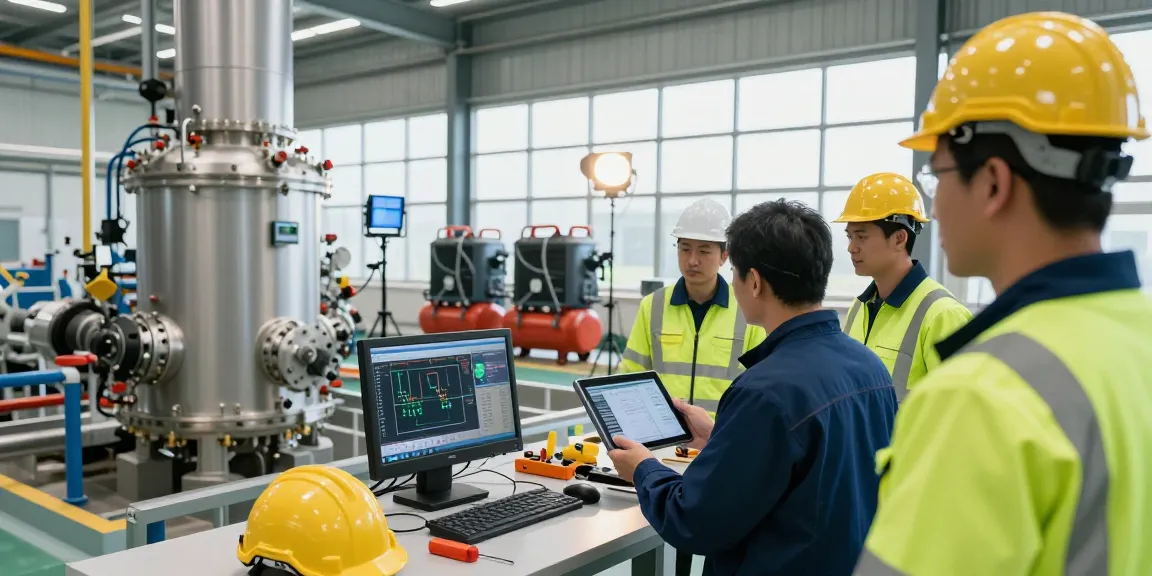
Understanding Industrial Water Transfer Services
In today's industrial landscape, efficient water management is crucial for many sectors, from oil and gas to construction. At the core of this management is industrial water transfer services, which ensure that water is sourced, moved, and utilized in a manner that is effective, sustainable, and compliant with environmental regulations. This article explores various aspects of industrial water transfer services, offering insights into their importance, methodologies, and best practices.
What are Industrial Water Transfer Services?
Industrial water transfer services refer to the processes and technologies involved in the movement of large volumes of water, particularly in sectors such as oil and gas, mining, and agricultural industries. These services are generally tailored to specific operational needs, encompassing everything from sourcing water to its treatment and transfer to end-users. They may involve temporary or permanent setups and require careful planning and execution to meet both operational demands and regulatory standards.
The Importance of Water Transfer in Industry
Water is a vital resource across many industries, often constituting a significant operational expense. Efficient water transfer not only helps in streamlining processes but also plays a critical role in minimizing environmental impact. For example, in hydraulic fracturing, the timely transfer of water ensures that the extraction process is efficient and minimally disruptive to the surrounding ecosystem. Furthermore, effective water transfer services can reduce operational costs by optimizing water use and eliminating unnecessary waste.
Key Equipment Used in Water Transfer
The equipment used in water transfer varies depending on the specific application and volume of water required. Common components include:
- Pumps: Used to facilitate the movement of water from its source to the desired location. Submersible and centrifugal pumps are frequently used in industrial settings.
- Hoses and Pipelines: Essential for transporting water over varying distances. High-durability hoses and pipelines are crucial to withstand the pressures and temperatures required in many industrial processes.
- Storage Tanks: Temporary or permanent storage solutions that hold water before or after treatment or during transfer operations.
- Monitoring Equipment: Sensors and telemetry systems are often used to track the flow rate, pressure, and overall efficiency of water transfer operations, helping ensure compliance with safety protocols.
Types of Industrial Water Transfer Services
Temporary vs. Permanent Solutions
Industrial water transfer services can be divided into temporary and permanent solutions, each serving specific needs.
Temporary solutions are often employed for specific projects or events, such as construction activities or emergency water supply needs. These services are designed to provide immediate access to water without the necessity for long-term infrastructure investment.
On the other hand, permanent solutions are integrated into the operational framework of industries that require continuous access to water. These may involve more extensive setups, including permanent pipeline systems and treatment facilities, designed to accommodate ongoing operations efficiently.
Applications in Different Industries
Various industries benefit from industrial water transfer services, each with unique requirements:
- Oil and Gas: Water is used for drilling and hydraulic fracturing, requiring specialized equipment to manage significant volumes efficiently.
- Agriculture: Farmers rely on reliable water transfer systems for irrigation, ensuring crops receive the necessary moisture for growth.
- Construction: Water is integral for mixing concrete, dust control, and site cleanup. Temporary water transfer solutions can facilitate these needs without delay.
- Mining: Water is used for mineral processing and dust suppression. Effective transfer solutions can enhance operational efficiency and minimize environmental impacts.
Environmental Considerations in Water Transfer
With growing environmental concerns, companies must ensure their water transfer operations adhere to regulations and best practices. This involves:
- Conducting environmental impact assessments to understand how water transfer may affect local ecosystems.
- Implementing sustainable practices, such as recycling water where possible or using alternatives for certain applications.
- Ensuring compliance with regional and national environmental regulations to avoid fines and reputational damage.
Best Practices for Effective Water Transfer
Assessing Water Transfer Needs
A thorough assessment of water transfer needs is essential for any industrial operation. This assessment should include:
- Quantity: Estimate the total volume of water required for specific operations.
- Source: Identify reliable and sustainable water sources that won't deplete local supplies.
- Logistics: Consider the most efficient routes and methods for transporting water to limit delays and operational interruptions.
Choosing the Right Equipment
Selecting appropriate equipment can greatly impact the efficiency and effectiveness of water transfer operations. Factors to consider include:
- Flow rates and pressure requirements based on the scale of the operation.
- Durability and compatibility of materials used in hoses, fittings, and tanks with the types of water being transferred.
- Availability of trained personnel to handle and maintain the equipment effectively.
Safety Protocols and Compliance
Implementing stringent safety protocols is vital to protect workers and mitigate risks associated with water transfer, which may include:
- Regular training for staff on equipment use and emergency procedures.
- Conducting regular inspections and maintenance to ensure equipment is functioning properly.
- Developing spill response plans to address potential leaks or failures in water transfer infrastructure.
How to Select a Reliable Water Transfer Service Provider
Evaluating Provider Experience
Choosing the right water transfer service provider requires careful consideration of their experience and expertise. Assessing their track record in similar industries can provide insights into their capability to meet project requirements.
Understanding Service Capabilities
Not all water transfer service providers offer the same range of services. It’s important to understand:
- The types of equipment they have available and if it meets your needs.
- If they offer both temporary and permanent solutions depending on your specific needs.
- Their ability to handle emergency situations and how quickly they can respond.
Checking Customer References
Before committing to a service provider, it can be beneficial to check references from previous clients. This can offer valuable insights into:
- Their reliability and professionalism during operations.
- How responsive they are to customer needs and concerns.
- The quality of the services provided and any challenges faced during previous projects.
Performance Metrics for Industrial Water Transfer Services
Monitoring Efficiency and Output
To gauge the effectiveness of water transfer services, companies should regularly monitor key performance indicators (KPIs), such as:
- Flow rates and total volumes transferred compared to projected needs.
- Operational downtime versus the scheduled transfer times.
- Energy consumption related to water transfer versus the volume moved.
Cost Analysis and Budgeting
Conducting a cost analysis helps to understand the financial viability of water transfer services. This includes:
- Assessing the total cost of water transfer operations, including labor, equipment, and water source fees.
- Identifying areas to reduce costs without compromising quality or compliance.
- Budgeting for unexpected expenses related to equipment failures or environmental compliance issues.
Impact of Services on Environmental Performance
Evaluating the environmental impact of water transfer services can help companies identify areas for improvement. This may involve:
- Assessing water usage against available sources to ensure sustainability.
- Monitoring the ecological effects of water sourcing and transfer on local habitats.
- Implementing practices that promote water conservation and reduce pollution risks.
Conclusion
In an era where water is an increasingly precious resource, understanding the intricacies of industrial water transfer services becomes essential for seamless operations across various industries. By adopting best practices, selecting knowledgeable service providers, and utilizing suitable technology, organizations can enhance their operational efficiency, remain compliant with regulations, and significantly mitigate their environmental footprint. With these insights, businesses can better position themselves in a competitive landscape while contributing positively to water preservation efforts.