Introduction to Iron Ore
Iron ore is a crucial mineral resource that serves as the primary raw material used in the production of iron and steel. As global demand for steel soars, the significance of iron ore in various industries continues to expand. Its properties, uses, and economic impact create a multifaceted topic of study. For those interested in the various aspects of iron ore, including its extraction and market dynamics, accessing detailed resources is beneficial. This discussion aims to shed light on the myriad facets of iron ore, from its geological significance to its role in manufacturing.
What is Iron Ore?
Iron ore refers to a variety of rocks and minerals from which metallic iron can be economically extracted. The primary iron ores mined today include hematite (Fe₂O₃), magnetite (Fe₃O₄), limonite (FeO(OH)·nH₂O), and siderite (FeCO₃). These ores are predominantly composed of iron oxides, differing in their physical properties and iron content. The mining, processing, and refinement of iron ore are vital processes that support numerous industries worldwide.
Importance in the Steel Industry
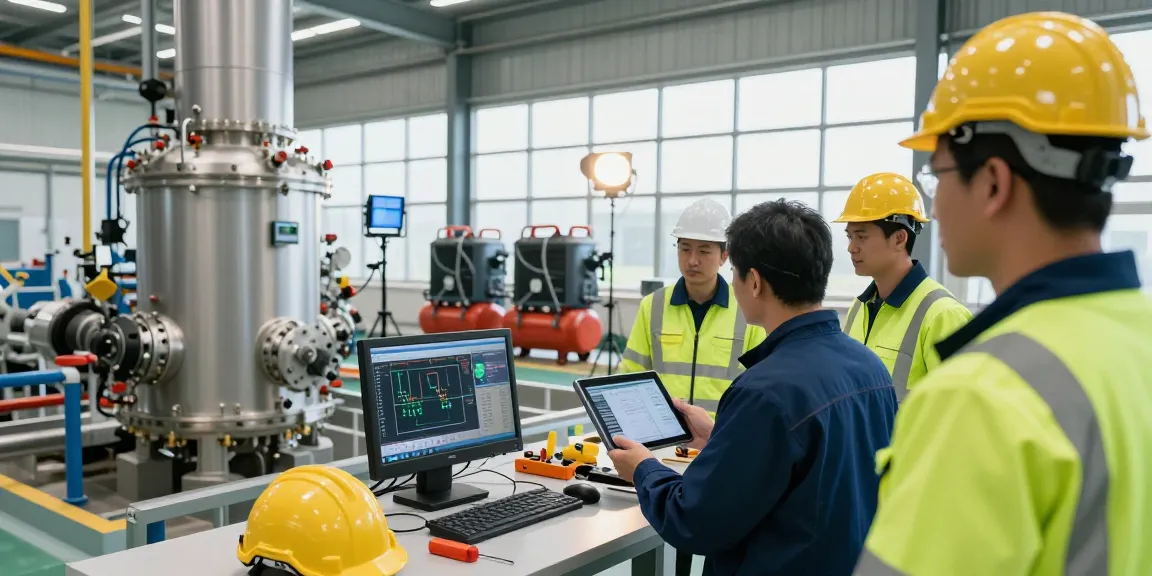
The steel industry is the largest consumer of iron ore, accounting for approximately 98% of global consumption. Steel, known for its versatility and strength, is foundational in construction, automotive, manufacturing, and various other sectors. The production of steel from iron ore involves chemical processes that extract iron, primarily through methods such as blast furnace technology. With steel being vital for infrastructure, transportation, and consumer goods, the continuous supply of iron ore remains critical for economic growth and development.
Different Types of Iron Ore
Iron ore is categorized primarily by its mineral composition and iron content. The most significant types include:
- Hematite: This is the most widely mined iron ore, characterized by its high iron content (up to 70%) and reddish color. It is often found in sedimentary deposits.
- Magnetite: Although containing slightly less iron (around 72%), magnetite is noteworthy for its magnetic properties and can be mined using lower-grade ores.
- Limonite: A multi-hydrated iron oxide with a range of iron content. While it is less commercially viable, it remains significant.
- Siderite: Contains about 48% iron and is less prevalent due to its lower iron content compared to hematite and magnetite.
Extraction and Production of Iron Ore
Mining Techniques and Processes
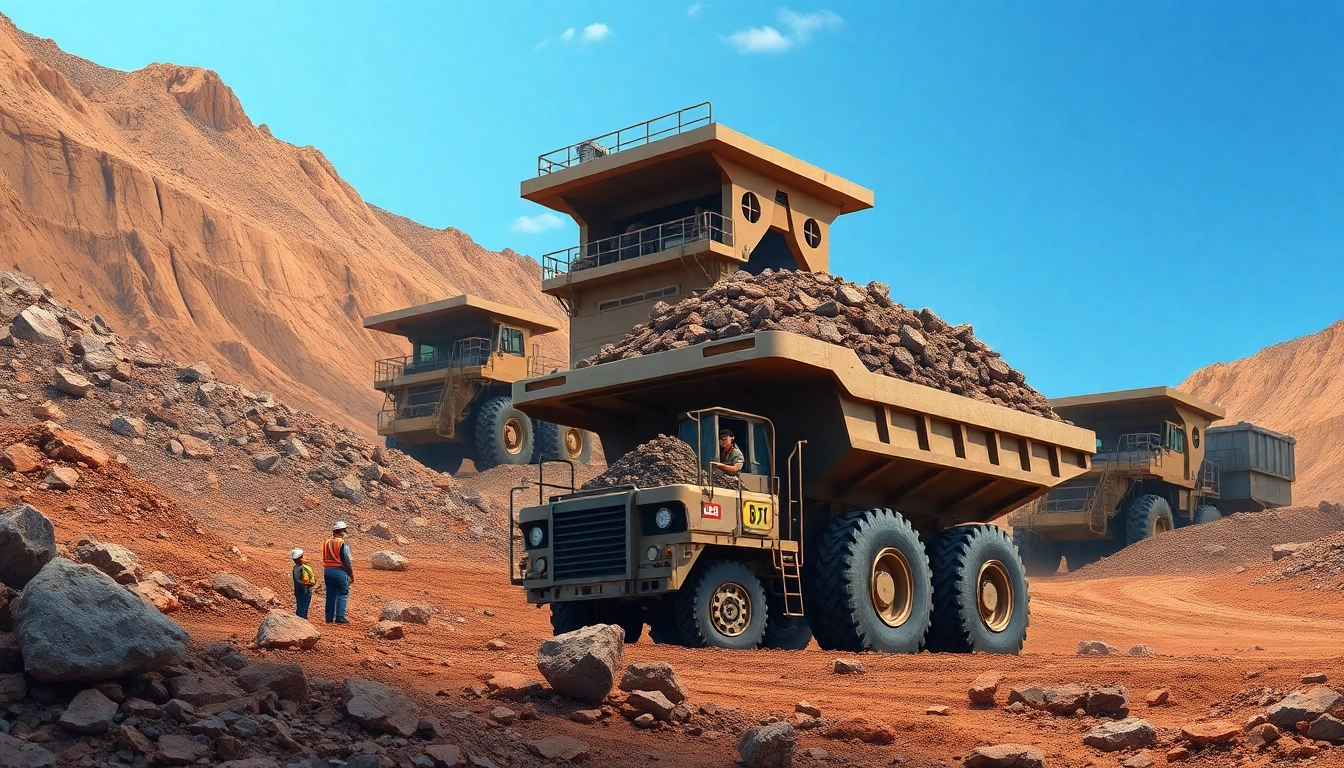
The extraction of iron ore involves various techniques depending on the location and type of deposit. Common methods include:
- Open-Pit Mining: This method is often used for surface deposits, where large-scale operations can efficiently extract ore.
- Underground Mining: Employed when ore deposits are too deep for surface mining, underground methods require more advanced technology and safety measures.
- In-Situ Recovery: A less common but environmentally friendly process that involves chemical solutions to extract mineral from the ground.
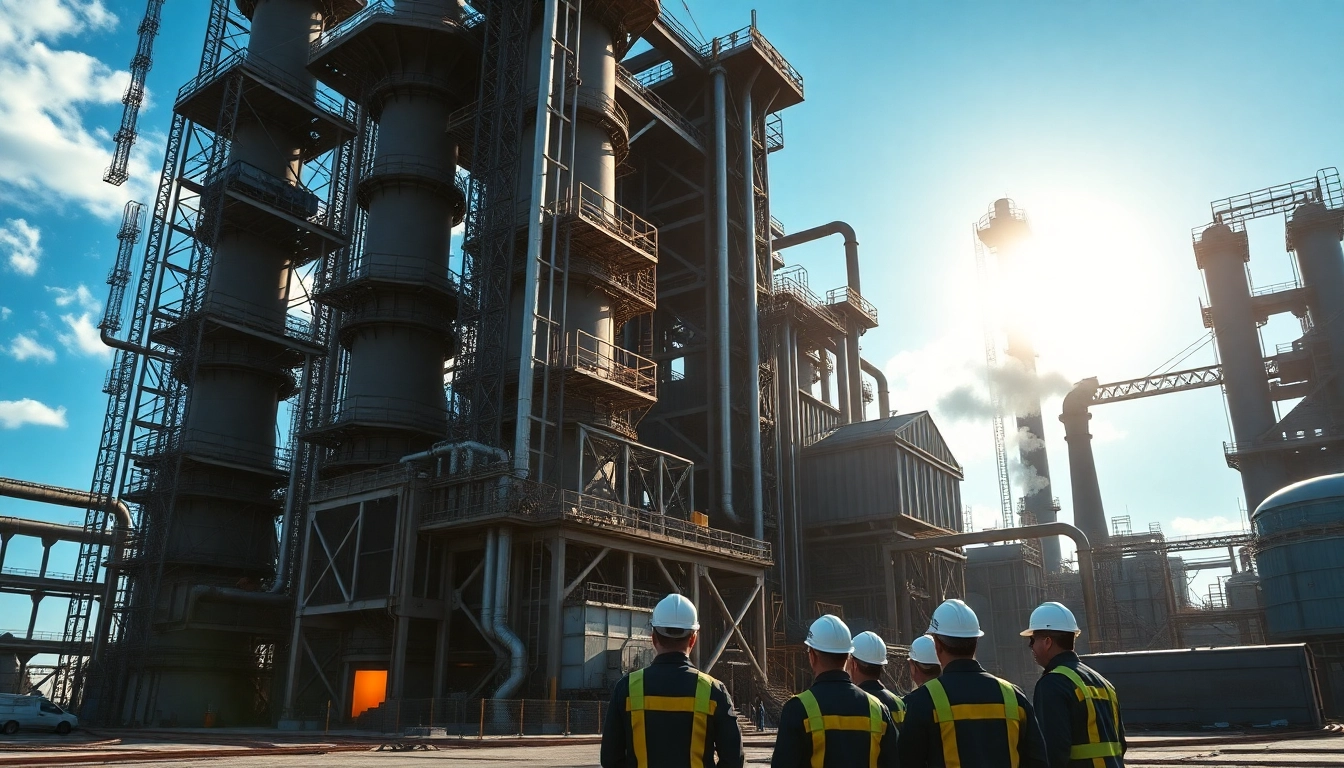
Post-extraction, iron ore undergoes processing, which typically involves crushing, grinding, and separation techniques to enhance the iron content before it is shipped for steel production.
Global Leaders in Iron Ore Production
Several countries excel in iron ore production, leading to significant contributions in the global market. The primary producers include:
- Australia: The largest producer globally, Australia significantly influences iron ore prices due to its vast reserves and efficient mining operations.
- Brazil: Known for its high-grade iron ore, Brazil ranks second in production, with major mines such as Carajás contributing to its export capabilities.
- China: While primarily known for being the largest consumer of iron ore, it also produces substantial amounts, but much of its ore is of lower grade compared to other leading producers.
These nations play pivotal roles in shaping the global iron ore market, with their production levels affecting worldwide steel pricing and availability.
Environmental Considerations in Iron Ore Mining
The extraction and processing of iron ore pose significant environmental challenges. Key concerns include:
- Land Degradation: Open-pit mining can lead to significant landscape disruption, affecting local ecosystems.
- Water Pollution: Mining activities may contaminate nearby water sources, posing risks to aquatic life and communities.
- Air Quality: Dust from mining operations can lead to respiratory issues for workers and nearby residents.
To mitigate these issues, mining companies are increasingly adopting sustainable practices, such as reclaiming mined land, using advanced filtration systems for wastewater, and minimizing dust emissions.
The Global Market for Iron Ore
Current Pricing Trends and Factors
The price of iron ore is influenced by various factors, including global demand, production levels, and geopolitical stability. Recently, fluctuating prices reflect the economic conditions of major consumers like China and India, as well as supply chain disruptions resulting from global events. Analyzing the pricing trends helps industry stakeholders make informed decisions on production and investment.
Major Exporters and Importers
International trade in iron ore features a dynamic exchange between numerous countries. Major exporters, including Australia and Brazil, supply vast quantities to key importers like China, Japan, and South Korea. This international trade facilitates the distribution of iron ore, aligning production with demand across different regions.
Future Market Predictions for Iron Ore
Forecasting the future of the iron ore market involves considering factors such as technological advancements in mining, shifts in global steel demand, and environmental regulations. The growing emphasis on sustainable and eco-friendly mining practices is likely to influence production methods and economic viability in the long term.
Uses of Iron Ore Beyond Steel
Applications in Construction Materials
While the predominant use for iron ore is in steel production, it also has several other applications. Iron in varied forms can serve as a component in construction materials such as:
- Concrete Reinforcement: Steel rebar, made from iron, is essential for reinforcing concrete structures, enhancing their strength and durability.
- Foundry Products: Iron ore can be transformed into cast iron, widely used in construction and manufacturing for creating durable products.
Role in Manufacturing Pig Iron
Pig iron, an intermediate product of smelting iron ore, is essential in producing cast iron and various steel grades. It comprises a high percentage of carbon and specific alloying elements. The production of pig iron from iron ore is pivotal in the steel-making process, linking the raw material to its final uses in various applications.
Innovations in Iron Ore Utilization
Recent advancements in iron ore utilization have focused on enhancing efficiency and sustainability. Innovations include:
- Direct Reduced Iron (DRI): This process produces metallic iron without the need for traditional blast furnaces by using natural gas or coal instead of coke.
- Recycling Scrap Steel: Industries are increasingly incorporating recycled materials into production, reducing the reliance on raw iron ore.
Such innovations not only optimize the use of resources but also minimize environmental impacts.
Frequently Asked Questions about Iron Ore
What are the main uses for iron ore?
The main uses of iron ore include steel production, which accounts for 98% of its consumption, along with applications in construction materials and manufacturing pig iron.
Which country has the largest reserves of iron ore?
Australia holds the largest reserves of iron ore, followed by Brazil, Russia, and China, making them the leading players in global iron ore production.
How is iron ore processed into steel?
Iron ore is processed into steel through smelting in a blast furnace, where it is combined with coke and limestone to yield molten iron, which is further refined into steel.
What environmental impacts does iron ore mining have?
Major environmental impacts of iron ore mining include land degradation, water pollution, and air quality concerns due to dust emissions from mining operations.
What is the current price of iron ore?
The price of iron ore fluctuates due to market demand and supply chain factors. As of recent reports, the price has shown variability influenced by global demand in the steel industry.