Understanding Bed Bugs: Identification and Behavior
What Are Bed Bugs? Characteristics and Life Cycle
Bed bugs (Cimex lectularius) are small, parasitic insects that feed on the blood of humans and animals. Typically brown in color, they can develop a reddish tint after engorging themselves. Adult bed bugs measure approximately 4 to 5 millimeters in length, resembling an apple seed, while their younger nymphs are much smaller and lighter in color, making them harder to spot. Perhaps one of the most insidious aspects of these pests is their life cycle, which consists of several stages: egg, nymph (five stages), and adult. Female bed bugs can deposit up to five eggs daily, leading to rapid population growth if left unaddressed.
Common Signs of Bed Bug Infestation
Recognizing a bed bug infestation early can prevent significant discomfort and stress. Typical indicators include:
- Bed Bug Bites: Red, itchy welts often clustered in groups on exposed skin areas are a primary symptom of infestation.
- Blood Stains: Small red spots on your bedding or upholstery often come from crushed bugs or blood after feeding.
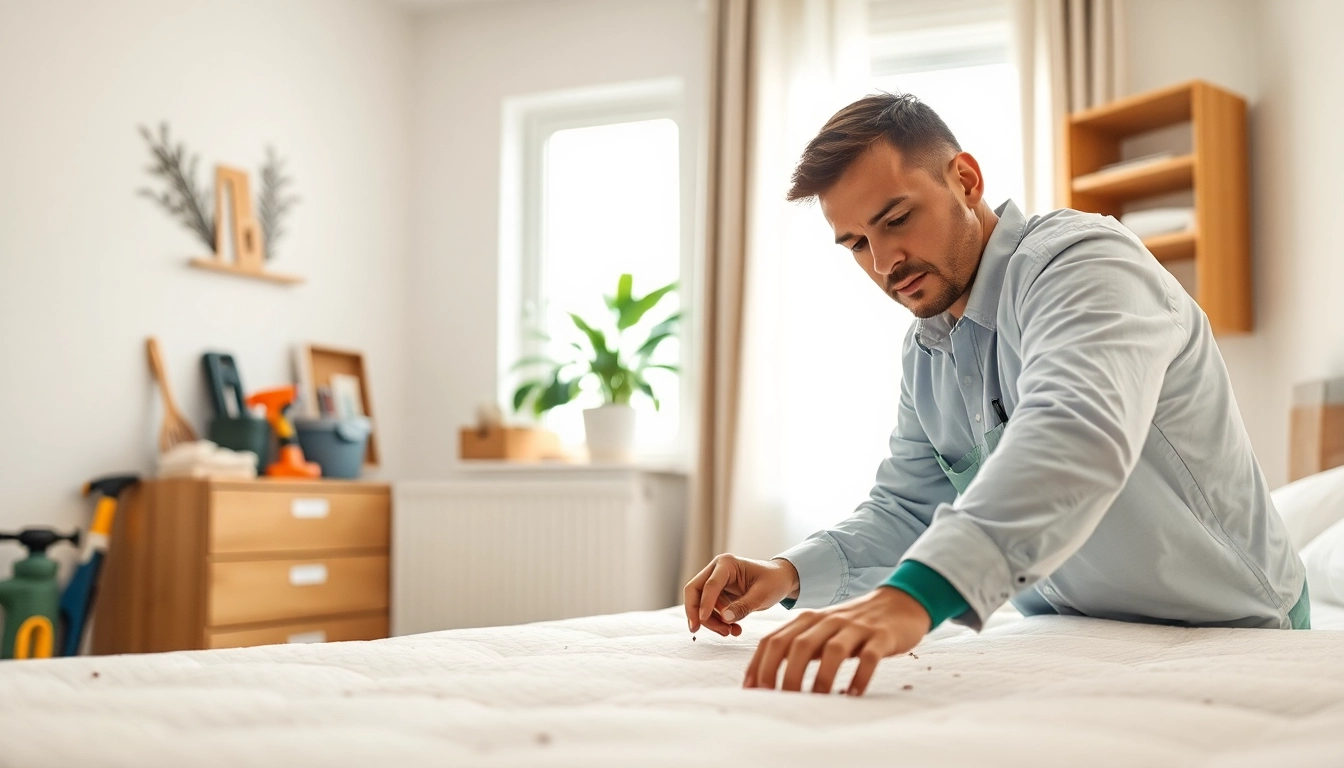
- Dark Spots: Fecal matter is often found where bed bugs hide, appearing as dark, tiny spots on bedsheets or furniture.
- Live Bugs: Adult bed bugs may be visible, often hiding in seams of mattresses, bed frames, or baseboards.
The Habits and Habitat of Bed Bugs
Bed bugs are nocturnal creatures, preferring to feed at night when their hosts are asleep. They harbor in small crevices in furnishings, floors, and walls, commonly in mattresses and bedding. Their flat bodies enable them to hide in tight spaces, making detection difficult unless carefully searched for signs. This adaptability makes it easy for them to spread, especially in multi-unit buildings. Knowing where to look and what conditions make your home susceptible is essential for effective management.
Preparing Your Home for Bed Bug Treatment
Essential Steps to Take Before Extermination
Proper preparation is crucial to ensure that bed bug treatments are effective. Here’s how you can ready your home:
- Declutter Your Space: Remove unnecessary items from the infested area to minimize hiding places for bed bugs.
- Launder Bedding and Clothes: Wash and dry all bed linens, clothing, and curtains on the hottest settings allowed to kill bugs and their eggs.
- Vacuum Thoroughly: Use a vacuum with a HEPA filter to capture bed bugs and their eggs from all surfaces, paying special attention to seams and edges of mattresses.
- Isolate Items: Seal infested items in plastic bags to prevent spreading until they can be treated.
Creating a Bed Bug Preparation Checklist
Creating a detailed checklist can facilitate proper preparation for treatment:
- Identify all infested areas.
- Seal all cracks and crevices where bed bugs may hide.
- Remove clutter and unnecessary items.
- Vacuum and dispose of vacuum bags in sealed plastic.
- Launder and dry all potentially infested fabrics.
- Discuss treatment options with a pest management professional.
Safety Measures for Family and Pets
Maintaining safety during the extermination process is paramount. Ensure to:
- Keep children and pets away from treated areas.
- Follow all preparation guidelines provided by the exterminator.
- Understanding any potential chemicals being used for safety and efficacy.
Professional Bed Bug Treatment Methods
Heat vs. Chemical Treatments: Which Is Best?
The choice between heat and chemical treatments will depend on the severity of the infestation, safety concerns, and personal preferences:
- Heat Treatments: These involve raising the temperature in an infested area to a level that is lethal to bed bugs. This method can be highly effective but may require specialized equipment.
- Chemical Treatments: Professional exterminators may apply insecticides that target bed bugs specifically, often with residual effects that kill newly hatched nymphs.
How Professional Extermination Works
Professional extermination typically follows a systematic approach, beginning with inspection to identify the source and extent of the infestation. The technician will employ various methods, including chemical or heat treatments, as well as dust and baiting techniques for optimal effectiveness. This process may require multiple visits to ensure complete eradication.
Understanding Treatment Costs and Expectations
The cost of treatment is influenced by various factors, including the size of the infested area, the severity of the infestation, and the treatment method employed. On average, homeowners can expect to pay between $1,000 to $2,500 for comprehensive extermination services. It's essential to discuss all possible costs upfront with your exterminator and understand the duration and expected results of the treatment.
Post-Treatment Best Practices to Prevent Reinfestation
How to Maintain a Bed Bug-Free Environment
To keep your home free from bed bugs after treatment, employ these practices:
- Regularly inspect your bedding and furniture for signs of bugs.
- Use bed bug-proof mattress encasements to prevent future infestations.
- Maintain a clean and decluttered home.
Essential Tips for Regular Inspections
Set a regular schedule for inspection. At least once every month, check your mattress seams, headboard, and surrounding areas using a flashlight. Early detection is crucial to controlling any potential infestations.
What to Do If Bed Bugs Return
If bed bugs return after treatment, it is important to consult with your pest professional immediately. Do not attempt self-treatment as you may exacerbate the problem. Professionals can reassess the situation and may recommend additional treatments or changes to your prevention strategy.
Frequently Asked Questions about Bed Bug Extermination
How Long Does Treatment Take?
The time required for bed bug treatment can vary based on the method used and the severity of the infestation. Typically, heat treatments may last several hours, while chemical treatments may require longer monitoring.
Are Bed Bug Treatments Safe for Children and Pets?
Most treatments offered by certified pest control companies are designed to be safe for children and pets when administered correctly. However, it is essential to follow all guidelines provided during the treatment process.
What Are the Signs of Successful Treatment?
Signs of successful treatment include a reduction or elimination of bites, a decrease in visible bed bugs and their droppings, and a lack of new blood spots on bedding. Regular follow-ups with a professional can help confirm long-term effectiveness.
For comprehensive information about bed bug issues or to schedule professional extermination services, explore https://affordablebedbugexterminators.com.