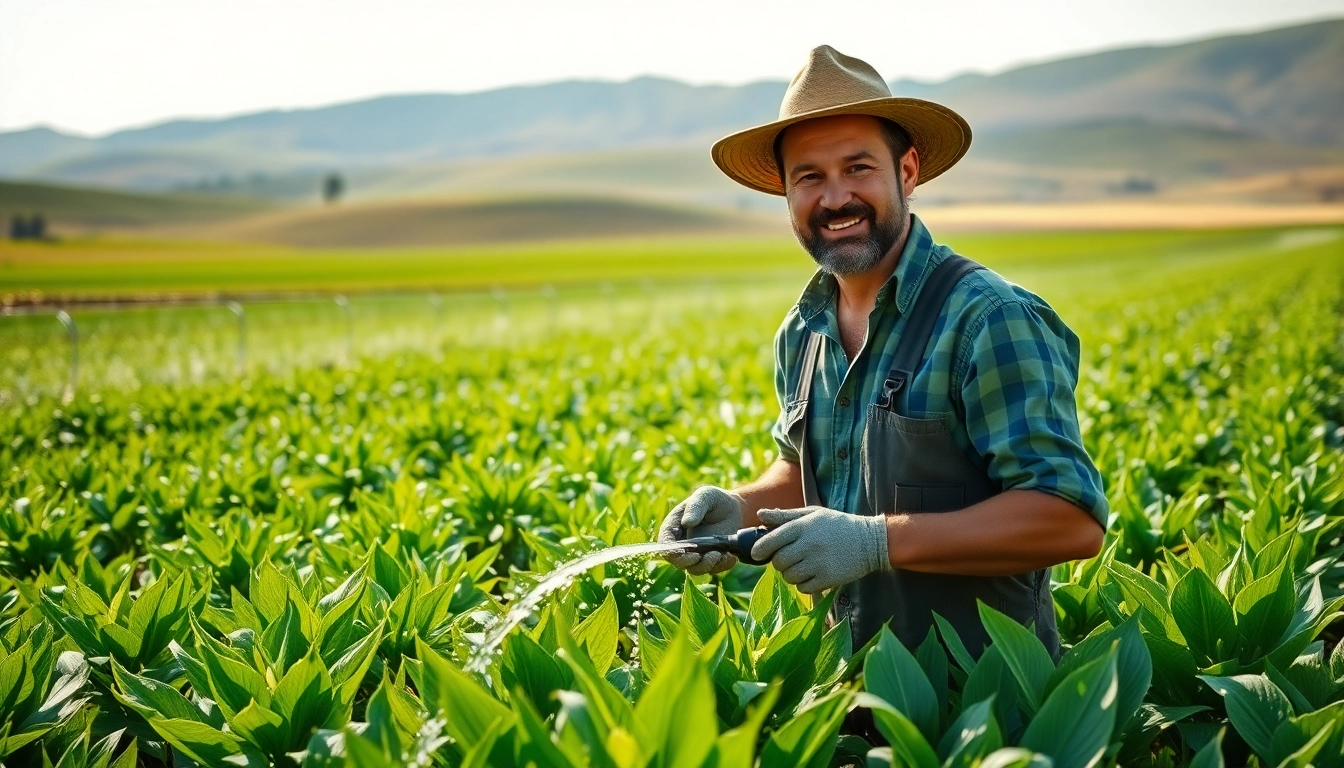
Understanding Land Irrigation Fundamentals
Land irrigation is a critical component of modern agriculture, ensuring that crop production can meet the demands of a growing global population. With varying climates and soil conditions, mastering the techniques of land irrigation is essential for farmers and agricultural professionals. This section delves into the basic principles and methods of land irrigation that are fundamental to efficient water management in farming.
Types of Land Irrigation Methods
There are several methods of irrigation, each suited for different crops, climates, and water availability. Below are the most common types:
- Surface Irrigation: Water is applied directly to the soil surface and allowed to flow across the field. This method is generally less expensive but can lead to inefficient water usage if not managed properly.
- Drip Irrigation: This technique delivers water directly to the base of the plant through a system of pipes, valves, and emitters. It minimizes evaporation and runoff, making it the most efficient in using water.
- Sprinkler Irrigation: Water is sprayed onto crops in a way that mimics natural rainfall. This method allows for better control over the water application but requires significant infrastructure.
- Subsurface Irrigation: Water is applied below the soil surface through a network of buried pipes. This reduces evaporation and promotes deeper root systems in plants.
- Manual Irrigation: Traditional and labor-intensive, this method involves the use of hand tools to water plants. It is often used in small-scale farming.
The Importance of Water Management
Water management is critical for sustainable agriculture. Efficient land irrigation systems help to conserve water, reduce costs, and improve crop yields. Proper water management allows farmers to balance their irrigation needs with the natural availability of water, leading to more sustainable farming practices.
Key Components of Efficient Irrigation Systems
Creating an efficient irrigation system requires several key components:
- Irrigation Source: The source of water, whether it's a river, lake, or groundwater, must be reliable and sufficient to meet irrigation demands.
- Distribution System: Pipes, pumps, and valves that transport water to various parts of the field must be well-designed to minimize leaks and maximize efficiency.
- Irrigation Schedule: When and how much to irrigate are critical considerations that impact crop health and yield. Utilizing moisture sensors can help in making informed decisions.
- Maintenance: Regular upkeep of the irrigation infrastructure is necessary to ensure that systems remain efficient and effective over time.
Benefits of Advanced Land Irrigation Techniques
Implementing advanced land irrigation techniques not only enhances productivity but also contributes positively to the environment and agricultural sustainability. Here, we explore the various benefits associated with these techniques.
Enhancing Crop Yield through Precision Irrigation
Precision irrigation techniques, such as drip irrigation, allow farmers to apply the right amount of water at the right time, significantly enhancing crop yield. By monitoring soil moisture levels and plant water needs, farmers can drastically improve the efficiency of water use. Studies show that precision irrigation can increase crop productivity by up to 30%, making it a vital practice for those looking to maximize their yields.
Environmental Sustainability and Resource Conservation
Advanced irrigation methods significantly contribute to environmental sustainability. Techniques such as drip irrigation reduce water waste and help conserve resources. Additionally, reducing runoff and preventing soil erosion preserves the ecosystem while maintaining soil health, which is vital for long-term agricultural sustainability.
Increasing Resilience to Climate Change
As climate change presents increasing challenges to agricultural practices, advanced land irrigation techniques offer solutions. By implementing more efficient systems, farmers can better cope with droughts and variable weather patterns. This resilience allows for consistent crop production even during adverse conditions, safeguarding food security and farmers' livelihoods.
Challenges in Implementing Land Irrigation Solutions
Though the benefits of land irrigation are substantial, there are challenges in implementing these solutions effectively. This section outlines common pitfalls and solutions.
Common Pitfalls in Irrigation Practices
Many farmers can fall victim to common pitfalls, such as over-irrigation or under-irrigation, which can harm crops and waste resources. A lack of knowledge about soil types and water requirements can lead to inefficient practices, ultimately diminishing returns. Education and training on irrigation methods and crop needs are essential to avoid these pitfalls.
Avoiding Water Waste in Agriculture
Water waste is a significant concern for many agricultural systems. To minimize waste, farmers should adopt best practices, including regular system checks, utilizing moisture sensors, and conducting water audits. Implementing water-efficient technologies can substantially decrease waste and lead to better overall management of resources.
Technological Barriers and Solutions
While technology plays a critical role in modern irrigation solutions, barriers such as high costs and lack of access can limit implementation. To mitigate these challenges, government incentives and grants could be utilized to support farmers in adopting innovative irrigation practices. Promoting education and awareness about affordable technology can also help bridge the technological gap in irrigation practices.
Implementing Optimal Land Irrigation Practices
Introducing optimal irrigation practices requires careful planning and execution. The following sections provide actionable steps for setting up effective land irrigation systems.
Step-by-Step Guide to Setting Up an Irrigation System
Setting up an effective irrigation system involves several key steps:
- Assess Your Water Source: Identify the best available water source and assess its reliability and quality.
- Evaluate Your Land: Understand the soil type, drainage capabilities, and crop needs to select the appropriate method of irrigation.
- Design Your System: Create a detailed plan outlining the layout of pipes, pumps, and valves based on the evaluated water source and land.
- Install the System: Implement the planned design with attention to detail, ensuring all components function correctly.
- Monitor and Adjust: Continuously monitor the irrigation system, making adjustments based on crop needs and environmental conditions.
Monitoring and Adjusting Irrigation Efforts
Effective monitoring tools such as soil moisture sensors and weather forecasts can help fine-tune irrigation efforts. Farmers should regularly evaluate the system's performance and be prepared to adjust schedules or amounts based on observed effectiveness and changing conditions. These adjustments are crucial to maintaining the efficiency of water use.
Cost Considerations for Efficient Irrigation
While investing in irrigation technology can appear costly upfront, it often leads to long-term savings. When evaluating costs, consider not just installation but also maintenance and operational expenses. Farmers should seek to analyze potential returns on investment through increased yields and reduced water costs, ultimately making the upfront costs worthwhile.
Future Trends in Land Irrigation Technologies
The future of land irrigation is poised for significant transformations due to advancements in technology and an increasing emphasis on sustainability. Key trends shaping the evolution of irrigation practices are discussed below.
Emerging Smart Irrigation Technologies
Smart irrigation technologies leverage the Internet of Things (IoT), allowing for real-time monitoring and adjustments to irrigation schedules. Sensors can provide feedback on soil moisture and weather conditions, enabling automated responses to changing crop needs. This technology enhances efficiency and minimizes water use, making it a critical trend for future irrigation solutions.
Integration of Data Analytics in Irrigation Practices
Data analytics is becoming increasingly important in optimizing irrigation practices. Using data collected from multiple sources, including weather data and soil conditions, farmers can make informed decisions on irrigation timing and quantities. This trend not only improves efficiency but also enhances productivity by aligning irrigation with crop requirements.
The Role of Policy in Shaping Land Irrigation Standards
Government policies play a vital role in the development and implementation of irrigation standards. Incentives for sustainable practices, funding for research, and support for farmers transitioning to advanced irrigation techniques can drive significant progress in the sector. Policymakers need to collaborate with agricultural experts to promote best practices and innovation in irrigation methods.
Frequently Asked Questions
What is the best irrigation method for small farms?
Drip irrigation is often the best choice for small farms due to its water efficiency and ability to deliver precise amounts of water directly to plants.
How can I prevent water waste in irrigation?
Using moisture sensors, monitoring systems, and implementing scheduled watering based on plant needs can significantly reduce water waste.
Are advanced irrigation systems expensive to install?
While the upfront cost can be higher, advanced systems often pay off through increased efficiency, reduced water costs, and higher crop yields.
What role does technology play in modern irrigation?
Technology allows for real-time monitoring and adjustments, improving efficiency through data analytics and automated systems that optimize water usage.
How does climate change affect irrigation practices?
Climate change can alter water availability and weather patterns, making it essential for farmers to adopt adaptable irrigation practices to maintain productivity.