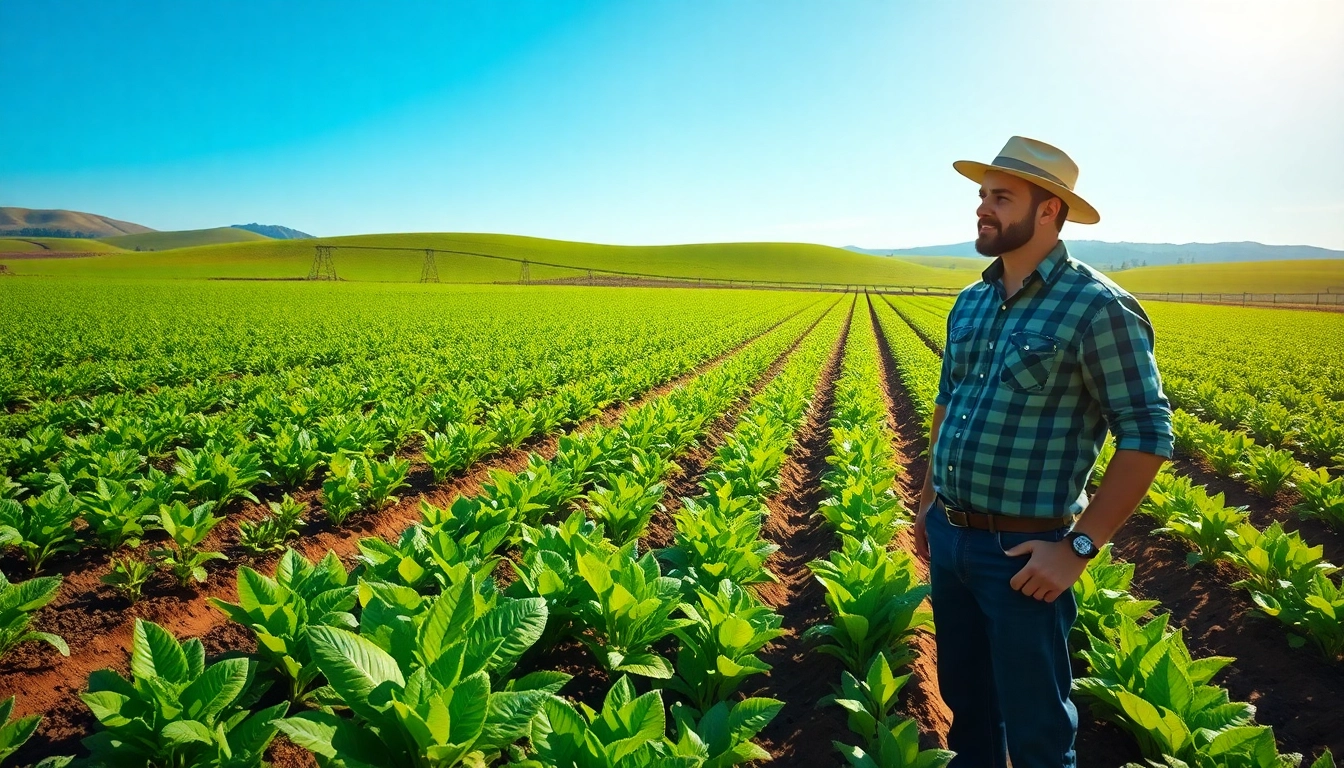
Understanding Land Irrigation: The Basics
What is Land Irrigation?
Land irrigation is a controlled method of applying water to crops, soil, and plants to foster growth and productivity. This agricultural practice plays a crucial role in farming, especially in regions prone to droughts or with unpredictable rainfall. By providing precise amounts of water needed for crop cultivation, farmers can boost yields, reduce crop failure, and enhance the overall quality of their harvest. Efficient land irrigation practices ensure that nutrients are appropriately delivered to the plants, establishing a healthy growing environment essential for maximizing agricultural output.
Types of Land Irrigation Systems
There are several types of land irrigation systems, each designed to cater to specific agricultural needs. The most common types include:
- Drip Irrigation: This system delivers water directly to the soil beneath the plants through a network of tubing and emitters. It is highly efficient, reducing water waste and minimizing the risk of diseases caused by wet foliage.
- Sprinkler Systems: Sprinklers simulate rainfall by distributing water through a series of pipes and nozzles. They can cover large areas and are suitable for various crops, though they may be less efficient than drip irrigation.
- Surface Irrigation: This involves allowing water to flow over farmland, relying on gravity to distribute it. While easy to manage, it can lead to uneven watering and increased evaporation losses.
- Subsurface Irrigation: Similar to drip irrigation, this method distributes water directly to the root zone via buried pipes and tubing, minimizing water evaporation and runoff.
Importance of Efficient Irrigation
Efficient land irrigation is vital for sustainable agriculture as it enhances water conservation, ensures consistent crop yields, and mitigates the impacts of climate and environmental changes. Implementing efficient irrigation systems leads to reduced water usage, minimizing the strain on local water resources and promoting sustainability. Furthermore, efficient irrigation practices are essential for improving soil health, promoting biodiversity, and adapting to agricultural shifts driven by climate change.
Benefits of Land Irrigation for Farmers
Improved Crop Quality
Land irrigation significantly enhances crop quality by supplying the right amount of moisture needed for optimal growth. Adequate irrigation can lead to better nutrient absorption, resulting in healthier plants and higher-quality produce. Consistent watering helps prevent stress that can lead to reduced yield and quality, ensuring that crops are harvested at their peak.
Resource Management and Sustainability
Modern land irrigation techniques promote responsible resource management by utilizing water efficiently and reducing wastage. Implementing smart irrigation systems can lead to sustainable practices that ensure water availability for future agricultural needs, supporting long-term farming viability. By controlling water applications, farmers can also enhance soil structure and health, leading to improved agricultural resilience.
Cost-Effectiveness of Land Irrigation
Investing in efficient land irrigation systems may incur initial setup costs but often results in cost savings over time. By reducing water waste and improving crop yields, farmers can experience increased profitability. Furthermore, advanced irrigation technologies, such as sensor-driven systems, offer real-time monitoring, helping farmers make informed decisions that optimize water usage and reduce operational costs.
Best Practices for Implementing Land Irrigation
Soil Preparation Techniques
Effective soil preparation is the foundation of a successful irrigation strategy. Farmers should ensure proper soil aeration, structure, and organic matter content. Techniques such as tilling, mulching, and using cover crops can enhance soil quality, improve moisture retention, and facilitate better water infiltration, which is crucial for engaged irrigation practices.
Selecting the Right Irrigation Method
The choice of irrigation method is critical and depends on various factors like crop type, soil characteristics, and available water resources. Farmers should assess their specific needs and local conditions to choose the system that best suits their operations. Engaging with professionals or utilizing localized resources can aid in selecting the most effective irrigation method for optimal results.
Maintaining Your Irrigation System
Regular maintenance of irrigation systems is essential to ensure longevity and efficiency. This involves inspecting for leaks, cleaning filters, and replacing damaged or worn components. A well-maintained irrigation system not only operates effectively but also conserves water, lowering operational costs and promoting sustainable farming practices.
Challenges in Land Irrigation and Solutions
Water Scarcity Issues
Water scarcity is a pressing challenge in many agricultural regions. Farmers can address this issue through the adoption of efficient irrigation technologies, rainwater harvesting, and crop selection strategies that minimize water dependency. Implementing practices like soil moisture monitoring can help farmers use water more judiciously, ensuring that every drop counts.
Pest Management Strategies
Irrigation systems can inadvertently create conditions conducive to pests and diseases. Integrated Pest Management (IPM) practices can help mitigate these challenges through a combination of biological, cultural, and chemical strategies. Ensuring proper drainage and avoiding over-irrigation can reduce pest habitats, fostering healthier crop environments.
Technological Enhancements in Irrigation
Advancements in technology are transforming land irrigation, offering solutions that improve efficiency and sustainability. Technologies like IoT sensors, automation, and predictive analytics empower farmers to monitor and adjust their irrigation practices in real-time, optimizing water use and improving crop health.
Future Trends in Land Irrigation
Smart Irrigation Technologies
Smart irrigation technologies utilize data analytics and sensor technologies to optimize watering practices based on real-time weather conditions and soil moisture levels. These systems can significantly enhance water savings and ensure crops receive the proper amount of irrigation, benefiting both farmers and the environment.
The Role of Drones in Irrigation
Drones are increasingly being utilized in agriculture to assess crop health, monitor irrigation needs, and manage water distribution effectively. By providing aerial imagery and data analysis, drones can help farmers identify areas in need of irrigation, leading to more targeted and efficient watering techniques.
Sustainable Practices in Agriculture
As the agricultural landscape evolves, sustainable practices are gaining traction. These practices include integrating ecological principles into land irrigation, such as employing cover crops, reducing chemical usage, and adopting renewable energy solutions for irrigation systems. Fostering sustainable agriculture not only improves environmental impacts but also ensures long-term success for farmers.
FAQs
What are the most common types of land irrigation?
Common types include drip irrigation, sprinkler systems, and surface irrigation, each suited to different crops and environmental conditions.
How can I improve my land irrigation efficiency?
Efficiency can be improved by regularly maintaining your system, optimizing water usage, and employing drip or sprinkler technologies.
What are the environmental impacts of land irrigation?
Properly managed irrigation can reduce water wastage, enhance crop growth, and minimize negative impacts like soil salinization.
How do I choose an irrigation system for my farm?
Consider factors like crop type, soil characteristics, water availability, and land topography when selecting a system.
What is the future of land irrigation technologies?
The future includes smart irrigation solutions powered by sensors and IoT, which aim to improve water usage and overall efficiency.
Ultimately, effective land irrigation strategies will be essential in addressing the challenges of modern agriculture, promoting sustainability, and ensuring successful crop production in the years to come.