Understanding Red Light Therapy
What is Red Light Therapy?
Red light therapy (RLT) is a non-invasive treatment that utilizes low-level wavelengths of red light to stimulate various biological processes in the body. This method employs light-emitting diodes (LEDs) or lasers that adopt specific wavelengths, usually in the 600 to 850 nanometer range. Unlike ultraviolet (UV) light, which can harm the skin, red light penetrates into the skin without causing damage, making it suitable for therapeutic applications.
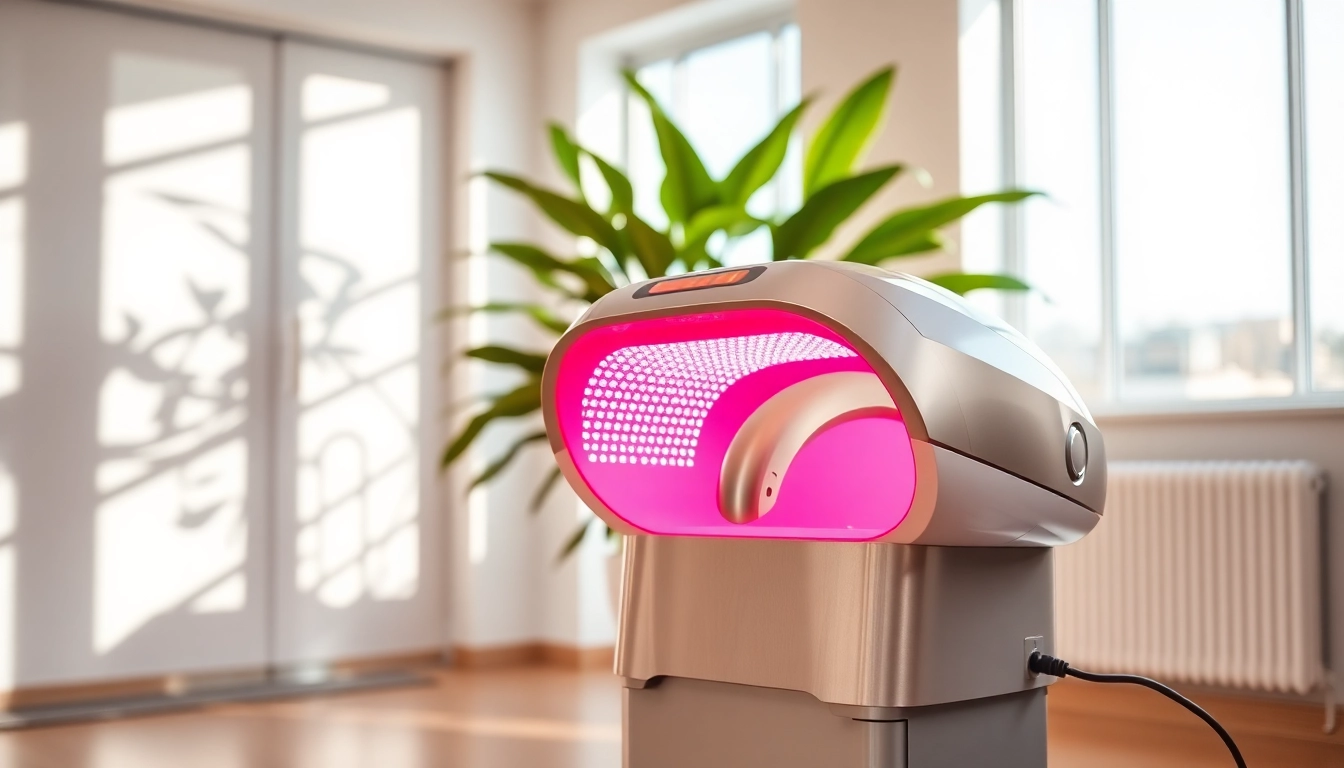
RLT can be used in different modalities, including handheld devices, panels, and full-body systems, which allows for accessible treatment options in both clinical and home settings. The technology behind red light therapy is built on the principles of photobiomodulation, which explains how light affects cellular processes, ultimately enhancing mitochondrial function.
Scientific Basis Behind Red Light Therapy
The science of red light therapy stems from its ability to stimulate mitochondria—the powerhouse of cells. When these organelles absorb light, a series of biochemical reactions occur, leading to increased ATP (adenosine triphosphate) production, which serves as the energy currency for cellular processes. Several studies have shown that the application of red and near-infrared light can lead to improved cellular respiration and energy metabolism.
Research suggests that red light therapy promotes the release of nitric oxide—a vasodilator that enhances blood circulation. Furthermore, it has been demonstrated to reduce oxidative stress, which can prevent cellular damage and support healing processes. Studies have indicated benefits ranging from improved skin health to muscular recovery and even mood enhancement, validating the growing interest in red light as a therapeutic tool.
Benefits of Using Red Light Therapy
Red light therapy has been linked with a variety of health benefits, illustrating its versatility as a treatment modality. Some of the key advantages include:
- Enhanced Skin Health: RLT has shown potential in reducing signs of aging, such as wrinkles and fine lines, while promoting collagen production—resulting in firmer, smoother skin.
- Wound Healing: Research indicates that red light therapy can accelerate tissue repair and reduce inflammation, leading to faster healing times for skin lesions and wounds.
- Reduction of Inflammation and Pain: By modulating inflammatory pathways, RLT can alleviate pain associated with various conditions, including arthritis and muscle soreness.
- Improved Recovery: Athletes are increasingly turning to RLT to enhance recovery from intense workouts, as it aids in muscle repair and reduces fatigue.
- Boosting Mental Health: Recent studies suggest that red light therapy can enhance cognitive function and mood, offering a complementary treatment for individuals facing depression or anxiety.
Product Offerings at https://www.biolight.shop
Categories of Red Light Therapy Devices
At https://www.biolight.shop, a diverse range of red light therapy devices is available to cater to different needs and preferences. Product categories typically include:
- Handheld Devices: These portable options are perfect for localized treatments, allowing users to target specific areas effectively.
- Full-Body Panels: Ideal for individuals seeking comprehensive treatments, full-body panels encompass a larger area, promoting overall wellness.
- Face Masks: Designed for facial rejuvenation, these masks provide red light therapy directly to the skin, enhancing beauty treatments.
- Specialized Devices: Additional offerings may include specialized devices for particular therapeutic needs, such as pain relief or skin conditions.
Price Ranges and What to Expect
The price of red light therapy devices varies widely based on the type, size, and technological features. Generally, products range from affordable handheld devices starting around $89 to advanced full-body systems priced up to $549 or more. Buyers should assess not only the cost but also the quality, warranty, and manufacturer reputation when purchasing. Given the investment, prospective buyers should look for evidence of clinical efficacy or positive customer testimonials to ensure a worthwhile purchase.
Quality and Technological Innovation
Quality is paramount when selecting red light therapy devices. A reputable vendor will offer products that utilize high-grade LEDs, ensuring consistent energy output while adhering to safety standards. Technological advancements have enabled innovations such as multispectral light systems, which combine various wavelengths to target different cellular functions, thus providing a more comprehensive treatment experience. Additionally, some devices incorporate app connectivity for customized therapy sessions, elevating user interaction and effectiveness.
How to Incorporate Red Light Therapy into Your Routine
Setting Up Your Therapy Space
Creating an effective space for red light therapy is vital. Users should select a well-lit area with ample space to incorporate larger panels or devices comfortably. It’s recommended to remove any distracting elements to foster relaxation during therapy sessions. Ideally, the therapy area should feature a comfortable chair or mat where users can recline for the duration of their treatment.
Recommended Usage Guidelines
To achieve optimal results, adherence to recommended exposure times is essential. While the specific duration may vary based on the device, a typical session lasts between 10 to 20 minutes. Users should start with a shorter duration and gradually increase their sessions to assess their body’s response. It’s also important to maintain consistency in therapy sessions while paying attention to any effects that may signal a need to reduce frequency. Ensuring proper distance from the light source is also crucial for safety and efficacy—usually between 6 to 12 inches.
Combining Therapy with Other Health Practices
Integrating red light therapy with other wellness practices can enhance its effectiveness. Users may find that combining RLT with traditional exercise routines, dietary improvements, or mindfulness practices leads to overall better results. For example, employing RLT post-exercise may facilitate quicker muscle recovery, while utilizing it alongside meditation can improve relaxation and mental clarity. By adopting a holistic approach, users can maximize the potential benefits of their therapy sessions.
Customer Experiences and Testimonials
Real-Life Benefits Shared by Users
Many users of red light therapy devices report experiencing transformative results. Personal testimonials often highlight improvements in skin complexion, reduced pain levels, and expedited recovery times after workouts. Consumers appreciate the non-invasive nature of the treatment and the absence of adverse side effects, which contrasts with more invasive procedures.
Before and After Reports
Before and after documentation serves as powerful testimonials to RLT’s effectiveness. Numerous users have shared side-by-side comparisons illustrating significant upgrades in skin texture and overall vitality. These real-life cases strengthen the credibility of red light therapy and encourage new users to explore its potential benefits.
Supporting Research and Feedback
Support for red light therapy is backed by scientific research, making it an appealing option for health-conscious individuals. Studies have documented significant outcomes in reducing inflammation, promoting wound healing, and enhancing overall wellness. User feedback often reflects satisfaction with their product purchases—attributing lasting benefits related to conditions ranging from chronic pain to fatigue, and even mood disorders.
Future of Health Technology at https://www.biolight.shop
Trends in Health and Wellness Technology
The ongoing evolution of health technology continues to shape the wellness landscape. A trend towards personalized health solutions is evident, with individuals increasingly seeking tailored experiences that cater to specific needs. Innovations like wearable technology, AI-driven assessments, and home-based health monitoring are becoming increasingly commonplace, laying the groundwork for a more informed consumer base.
Innovations in Mitochondrial Support
As research into mitochondrial health deepens, emerging products designed to support these organelles will likely shape the future wellness market. New supplements, combined therapies, and next-generation light devices are all geared toward maximizing cellular energy and improving overall well-being. Ongoing advances in biotechnology present exciting possibilities for enhanced recovery and longevity.
Connecting Community and Wellness Through Technology
Advancements in technology are not just impacting personal health; they are also fostering community engagement. Online platforms dedicated to health discussions, webinars, and self-care workshops play crucial roles in spreading awareness and providing valuable insights into practices like red light therapy. User forums and social media groups are becoming vital resources for sharing experiences and building supportive health-oriented communities.