
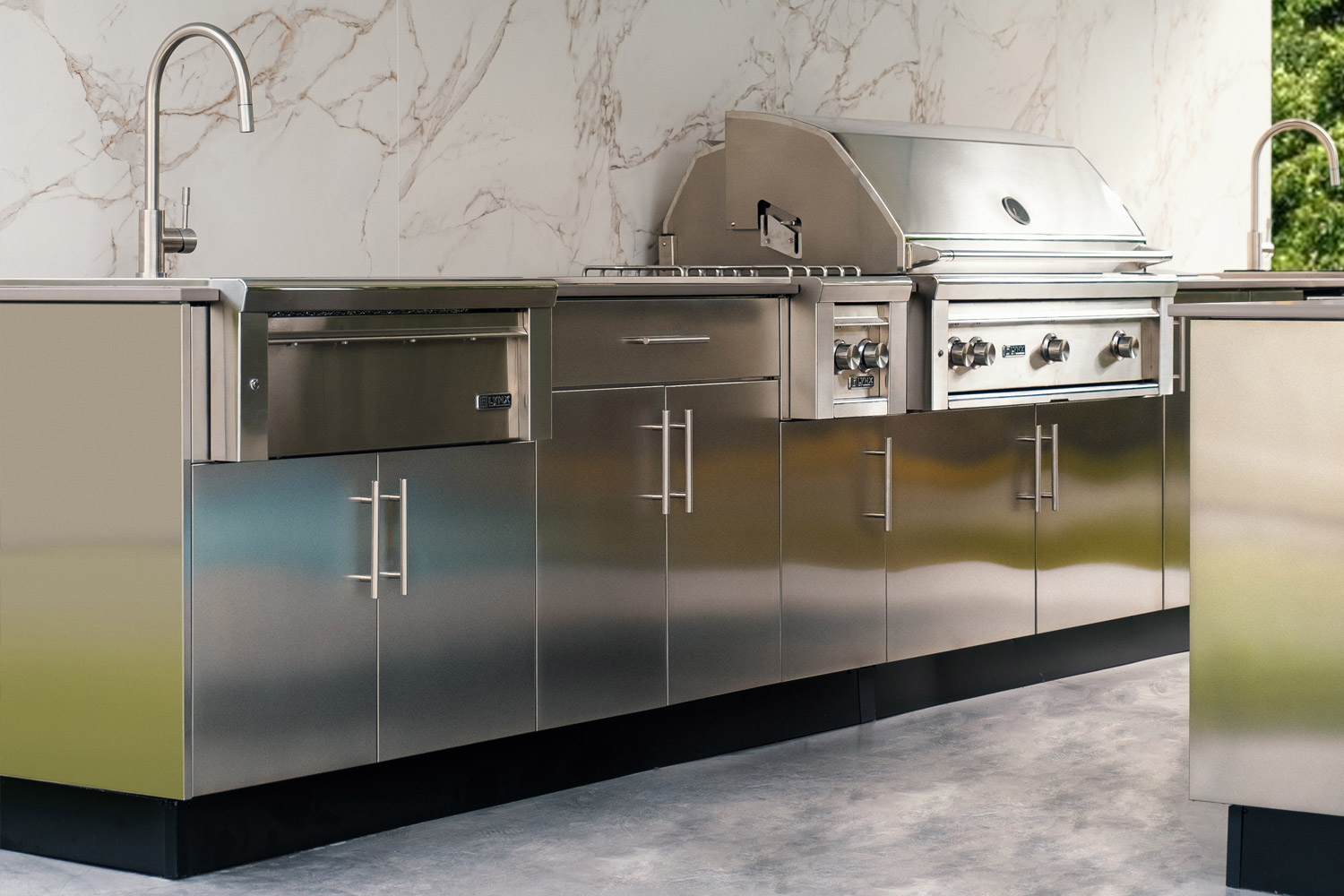
Steel cabinets are essential in both residential and commercial settings, offering strength, durability, and security for your storage needs. Whether you’re organizing tools, office supplies, or industrial equipment, knowing how to assemble a steel cabinet correctly ensures your investment stands the test of time. At Garaza Design, we understand that assembling steel cabinets can seem daunting, but with clear guidance and the right approach, it’s a manageable and rewarding task.
In this guide, we’ll walk you through the step-by-step process of assembling a steel cabinet, highlighting best practices and insider tips to help you get the job done efficiently. We’ll also explore the benefits of steel cabinets and how proper assembly enhances their performance.
Why Choose Steel Cabinets?
Before diving into the assembly process, it’s worth understanding why steel cabinets are a popular choice:
- Durability: Steel cabinets resist dents, corrosion, and wear better than wood or plastic alternatives.
- Security: Many models include lockable doors, ideal for safeguarding valuables or sensitive materials.
- Versatility: Suitable for garages, workshops, offices, and even healthcare environments.
- Low Maintenance: Easy to clean and maintain, steel cabinets provide long-lasting use with minimal upkeep.
Understanding these benefits reinforces why learning how to assemble a steel cabinet properly is an investment in lasting organization.
Tools and Materials Needed for Steel Cabinet Assembly
To assemble your steel cabinet with ease, gather the following tools and materials beforehand:
- Phillips and flathead screwdrivers
- Adjustable wrenchor socket set
- Rubber mallet (optional for gentle tapping)
- Level tool for alignment
- Protective gloves to handle metal edges safely
- The steel cabinet kit (including all parts and hardware)
- Instruction manual specific to your cabinet model
Having these at hand will prevent interruptions during assembly and ensure each step proceeds smoothly.
Step 1: Unpack and Inspect Your Steel Cabinet Components
Start by carefully unpacking your steel cabinet kit. Lay out all parts and hardware on a clean, flat surface. This initial inspection serves several purposes:
- Confirm you have all components as listed in the manual.
- Check for any damage or defects during shipping.
- Familiarize yourself with each part’s role in the assembly.
Taking the time here prevents surprises and allows you to plan the assembly sequence better.
Step 2: Assemble the Cabinet Frame
The frame is the backbone of your steel cabinet. Follow these instructions:
- Position the Side Panels: Identify the side panels and place them upright.
- Attach the Bottom and Top Panels: Using the provided screws and bolts, secure the bottom panel between the side panels. Repeat with the top panel.
- Tighten Fasteners: Ensure all screws and bolts are snug but avoid over-tightening to prevent stripping.
- Check for Square: Use the level tool to confirm the frame is squared and aligned before proceeding.
A solid frame ensures the rest of the cabinet fits properly, which is crucial for door alignment and overall stability.
Step 3: Install Shelves and Internal Components
Most steel cabinets come with adjustable or fixed shelves. Here’s how to add them:
- Locate Shelf Brackets: Attach brackets inside the frame at the desired heights.
- Place Shelves: Slide or place shelves onto brackets, ensuring a secure fit.
- Secure if Required: Some models may require screws or clips to hold shelves in place.
Proper shelf installation maximizes storage utility and keeps your cabinet organized.
Step 4: Attach Doors and Hardware
Doors and hardware complete your steel cabinet assembly:
- Hang the Doors: Align door hinges with the frame and secure them with screws.
- Install Handles and Locks: Attach handles and locking mechanisms as instructed.
- Adjust Door Alignment: Use the hinge adjustment screws to ensure doors close flush and evenly.
A well-aligned door not only improves cabinet aesthetics but also maintains security and protects contents.
Step 5: Final Checks and Placement
Before placing your cabinet in its designated spot, conduct these final checks:
- Stability: Give the cabinet a gentle shake to confirm it is stable.
- Leveling: Adjust feet or shims to level the cabinet on uneven floors.
- Hardware Tightness: Double-check all fasteners for tightness.
- Clean Surface: Wipe down the cabinet to remove fingerprints or dust from assembly.
Taking these steps enhances safety and ensures your steel cabinet performs optimally.
Tips for a Successful Steel Cabinet Assembly
To make your assembly experience smooth and effective, consider these additional tips:
- Follow the Manual Closely: Even slight variations exist between cabinet models; adhere to your specific instructions.
- Work on a Flat Surface: This prevents warping or misalignment during assembly.
- Avoid Over-Tightening: This can damage metal parts or strip screw threads.
- Ask for Assistance: Larger cabinets may require two people for safe handling.
- Keep Hardware Organized: Use small containers or trays to avoid losing screws and bolts.
Why Proper Assembly Matters
While steel cabinets are robust by design, improper assembly can lead to:
- Doors that don’t close properly or sag over time
- Reduced cabinet stability, increasing tipping risks
- Poor shelf support, limiting weight capacity
- Weakened security features if locks aren’t installed correctly
By investing time and attention into learning how to assemble a steel cabinet correctly, you preserve your cabinet’s functionality and safety.
Enhancing Your Storage Solutions with Garaza Design
At Garaza Design, we specialize in delivering durable, high-quality steel storage solutions tailored to your needs. Our expert team understands the importance of proper cabinet assembly for longevity and reliability. Whether you purchase a steel cabinet from us or need advice on assembling a cabinet you already own, we are here to support you.
Visit our website atGaraza Design for product details, expert tips, and personalized consultations. Our goal is to help you create organized, efficient spaces with storage solutions that stand strong.
Frequently Asked Questions About Steel Cabinet Assembly
How long does it take to assemble a steel cabinet?
Assembly time varies by cabinet size and complexity but typically ranges from 30 minutes to 2 hours. Reading the instructions beforehand and having tools ready speeds up the process.
Can I assemble a steel cabinet alone?
Smaller cabinets are manageable solo, but larger units often require two people to safely handle heavy panels and ensure alignment.
What if I lose some screws during assembly?
Contact the manufacturer or supplier to order replacement hardware. Avoid substituting screws, as they may not meet weight or safety requirements.
How do I maintain my steel cabinet after assembly?
Regularly clean with mild detergent and avoid abrasive cleaners. Check hinges and locks periodically and tighten any loose hardware.
Conclusion
Understanding how to assemble a steel cabinetempowers you to make the most of your investment. By following structured steps, using the right tools, and paying attention to detail, you can build a sturdy, functional storage solution tailored to your space. Steel cabinets offer unmatched durability and security, and when assembled properly, they will serve you well for years to come.
For further guidance or to explore premium steel cabinet options, connect with the experts at Garaza Design. Together, we can enhance your storage capabilities with solutions designed for strength and reliability.
Ready to upgrade your storage? VisitGaraza Design and discover our range of steel cabinets today.