
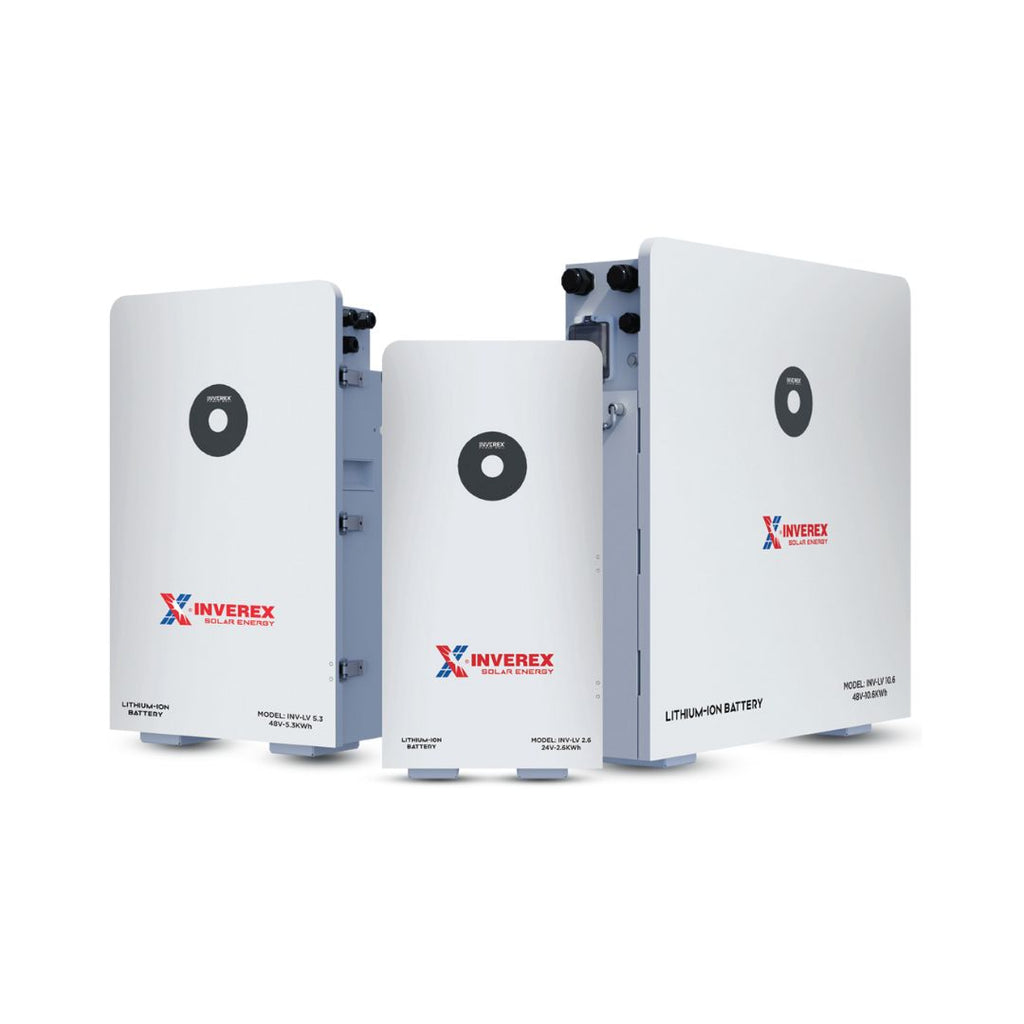
As demand for advanced energy storage rises across solar systems, EVs, telecom towers, and commercial backup power, understanding the pricing of lithium batteries becomes essential for global buyers. Costs vary widely depending on materials, technology, certifications, and supplier quality. This eszoneo pricing guide explains the major factors that influence the cost of Lithium batteries, helping importers make smarter purchasing decisions and avoid unexpected budget issues in large projects.
Raw Material Costs and Market Fluctuations
The biggest influence on the price of lithium batteries is the cost of raw materials such as lithium carbonate, nickel, graphite, and other essential metals. When global supply tightens or demand increases sharply, the cost of lithium batteries rises accordingly. Market trends, international mining regulations, and geopolitical factors all play critical roles in determining material prices.
Battery Chemistry and Technology
Different chemistries affect both performance and price. LFP-based lithium batteries are usually more affordable due to their stable chemistry and lower reliance on expensive metals. NMC and NCA chemistries cost more because of higher energy density and the use of pricier materials. Buyers must evaluate their application needs before selecting the right type of lithium batteries for their projects.
Cell Grade and Manufacturing Quality
Manufacturers classify cells into grades based on consistency and performance. Grade-A cells used in premium lithium batteries are more expensive but ensure superior stability. Grade-B or reused cells may appear cheaper, yet they increase risks of failure and reduce lifespan. For long-term ESS projects, investing in high-quality lithium batteries provides far better value.
Battery Management System (BMS)
A high-quality BMS adds cost but significantly improves safety and performance. Lithium batteries with advanced BMS protection are more reliable under high loads and extreme temperatures. Features such as thermal monitoring, smart balancing, and overcharge protection all influence the final price of lithium batteries in the market.
Capacity, Voltage, and Energy Density
Higher capacity and voltage ratings translate to larger and more efficient systems but also raise the price of lithium batteries. Large commercial projects require higher energy density to reduce space and installation costs. As a result, imported lithium batteries with advanced cell configurations typically cost more but deliver better project outcomes.
Certifications and Compliance Requirements
Global shipping regulations require lithium batteries to meet strict safety standards. Certifications such as UN38.3, CE, IEC, and MSDS add to production costs, yet they ensure safe transportation and installation. Reliable suppliers always provide certified lithium batteries that meet international compliance standards.
Production Scale and Automation
Factories with automated assembly lines can produce more consistent and cost-efficient lithium batteries. Large-scale manufacturers benefit from economies of scale, reducing per-unit costs. Smaller factories may offer lower initial prices, but their lithium batteries often lack the consistency needed for demanding ESS and commercial applications.
Order Quantity and Customization
Bulk orders typically reduce the price of lithium batteries because manufacturers can optimize materials and labor. Custom designs, special enclosures, or proprietary BMS requirements increase production complexity, raising the total cost. Importers planning large projects should negotiate long-term contracts to stabilize pricing for lithium batteries.
Shipping, Packaging, and Logistics
Because lithium batteries are classified as hazardous goods, packaging and transport costs are higher than standard electronics. Specialized packing, reinforced boxes, and documentation all add to the final price. Air freight increases costs significantly, while sea freight offers cheaper but slower transport options for lithium batteries.
Warranty and After-Sales Support
A strong warranty reflects manufacturer confidence and affects price. Suppliers offering extended warranties typically build higher-quality lithium batteries with better internal components. While low-cost options may look appealing, they often come with weak warranty terms, making premium lithium batteries a safer long-term investment.
Market Competition and Brand Reputation
Top-tier brands invest heavily in research, automation, and safety testing. Their lithium batteries cost more but offer reliable longevity and performance. Mid-range factories provide balanced pricing and acceptable quality, while ultra-cheap suppliers often compromise on materials. Evaluating reputation and customer feedback helps buyers avoid unreliable lithium batteries.
Future Pricing Trends
As renewable energy adoption accelerates, the cost of lithium batteries is expected to decrease gradually due to improved recycling, better raw material sourcing, and technological innovation. However, demand surges or global supply chain disruptions can temporarily raise prices. Buyers should monitor market trends when planning bulk orders of lithium batteries.
Conclusion
Understanding the factors that influence the cost of lithium batteries helps importers make confident, strategic decisions. By evaluating material quality, manufacturing standards, certifications, logistics, and supplier reputation, buyers can secure reliable lithium batteries that offer long-term value and strong performance for any renewable or industrial project.