Introduction to Fashion Photography Course
Fashion photography is an art form that blends visual storytelling with style, helping fashion brands connect with their audiences. Whether you're a budding photographer or an experienced shutterbug aiming to specialize in fashion, enrolling in a fashion photography course can significantly elevate your skills and understanding of the industry. This guide will provide insights into the importance of fashion photography, what you'll learn, and who should consider joining this exciting journey.
The Importance of Fashion Photography
Fashion photography plays a crucial role in marketing and branding. It captures not just the clothing but also the brand's essence and lifestyle. High-quality fashion images are instrumental for magazines, websites, and advertising campaigns, making them vital for the promotion of new collections and trends. Additionally, fashion photography helps to document cultural shifts and trends, serving as a historical record of the style evolution over the years.
What You’ll Learn
A comprehensive fashion photography course equips students with the essential skills and knowledge required for the industry. You will cover topics such as camera settings, lighting techniques, model direction, and post-production editing. Moreover, you'll explore the business side—understanding how to present your work to potential clients and building a distinctive portfolio that showcases your unique style.
Who Should Enroll
This course is designed for anyone passionate about photography, fashion enthusiasts, or even fashion professionals looking to enhance their visual storytelling skills. Whether you aim to work in editorial, commercial, or personal branding, understanding the dynamics of fashion photography will empower you to convey powerful visual narratives effectively.
Essential Gear for Fashion Photography Course
Your gear can significantly impact your results in fashion photography. While talent and creativity are paramount, having the right equipment helps streamline your workflow and improve the quality of your images.
Camera and Lenses
Investing in a high-quality camera is crucial for achieving professional results. DSLRs and mirrorless cameras are excellent choices as they offer versatility and superior image quality. Lenses matter too; prime lenses with wide apertures (like 50mm f/1.8) are great for portraits, while zoom lenses (like 24-70mm) provide flexibility in various shooting scenarios. Understanding what lenses best suit different styles will help optimize your shoot outcomes.
Lighting Equipment
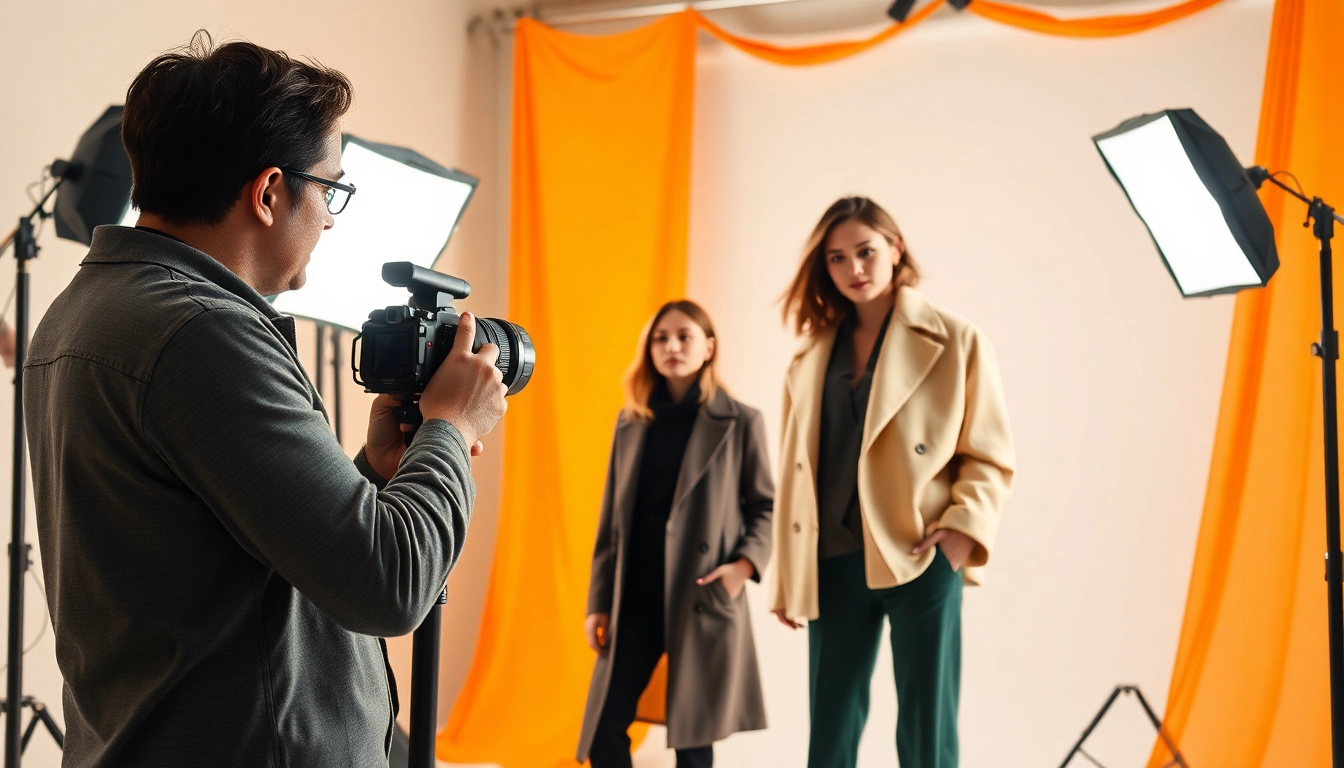
Lighting is foundational in fashion photography. Natural light is often preferred for its soft and flattering qualities, but artificial lighting can help you achieve consistent results. Investing in strobe lights, softboxes, and reflectors allows you to manipulate light creatively, enhancing your models and wardrobe. Mastering light placement and diffusion techniques will significantly improve your work's quality.
Accessories and Props
Accessories can add depth and interest to your photos. Consider items like backdrops, stands, and reflectors for creating dynamic compositions. Props such as furniture, flowers, or even art pieces can help set the scene and tell a story. Understanding how to complement your shots with appropriate accessories will elevate your overall photography skills.
Techniques and Styles in Fashion Photography Course
Fashion photography is not just about capturing beautiful images; it also involves understanding various techniques and styles that appeal to your target audience.
Posing Models Effectively
Effective posing is essential in fashion photography to showcase clothing beautifully. Understanding angles, body language, and expression helps you guide models to achieve natural and flattering poses. Practice working with different body types and styles, helping each model convey a unique persona that reflects the brand's identity.
Using Backgrounds to Enhance Your Shots
The background plays a crucial role in conveying the mood of your photos. Simple, minimalist backgrounds often work best to keep the focus on the fashion. Alternatively, vibrant or textured backgrounds can add layers to your narrative. Learning how to mix and match backgrounds with your subjects will create visually compelling images that stand out.
Editing and Post-Processing Basics
Editing is where you can truly refine your visuals. Familiarize yourself with software like Adobe Lightroom or Photoshop, which offers tools for color correction, retouching, and enhancing details. Understanding the principles of composition and how to adjust exposures will allow you to produce polished, high-quality images that meet industry standards.
Building Your Portfolio from the Fashion Photography Course
Your portfolio is a critical tool for attracting clients and showcasing your individual style. Building it effectively requires thoughtfulness and strategy.
Selecting Your Best Works
When curating your portfolio, choose images that not only showcase your technical skills but also your creative vision. Select a diverse range of works that illustrate different styles, lighting techniques, and settings. Strive for quality over quantity; a strong portfolio should consist of your best work rather than a collection of everything you've ever done.
Creating a Visual Story
Each photoshoot should tell a story—consider the narrative when building your portfolio. Successful portfolios present a cohesive theme or concept, making it easier for viewers to connect with your style. This storytelling aspect can set you apart, elevating your work and appealing to potential clients.
Showcasing Online and Offline
In today's digital age, having a strong online presence is essential. Create a professional website or use social media platforms such as Instagram or Pinterest to showcase your work. Don’t neglect offline methods either; print some of your best work into a physical portfolio to present during face-to-face meetings or interviews.
Frequently Asked Questions about Fashion Photography Course
What is fashion photography?
Fashion photography is a genre that captures clothing and other fashion items through creative images, used mainly for advertisements, magazines, and catalogs.
How long is the course?
The duration of the course can vary, typically ranging from a few weeks to several months, depending on the depth and structure of the curriculum.
Do I need prior photography skills?
No prior skills are necessary. The course is designed to cater to all levels, from beginners to more experienced photographers looking to specialize in fashion.
Can I take the course online?
Yes, many fashion photography courses are available online, enabling flexibility in learning at your own pace and convenience.
What equipment do I need for the course?
Basic equipment includes a camera, lenses, lighting tools, and editing software. Specific recommendations may vary based on course requirements.