Understanding Car Fuses and Their Functions
Car fuses play a crucial role in the safety and functionality of your vehicle's electrical system. They protect electrical circuits by breaking the connection when an overload occurs, thereby preventing potential damage. Understanding the fundamentals of car fuses can empower you as a vehicle owner to maintain your car better and troubleshoot electrical issues effectively. For further insights and resources, you can explore https://bezpieczniki24.pl.
What Are Car Fuses?
Car fuses are small safety devices made from metal that are designed to protect the vehicle’s electrical systems. When excessive current flows through the fuse, it melts the metal strip inside, breaking the circuit. This process prevents further electrical overload, which could damage electrical components or create fire hazards. Fuses come in various sizes and ratings, which correspond to their amperage capacity. Understanding their specifications is vital to ensure proper replacement and functionality.
Types of Car Fuses Explained
There are primarily three types of car fuses—Blade, Glass Tube, and Ceramic—you will encounter in vehicles:
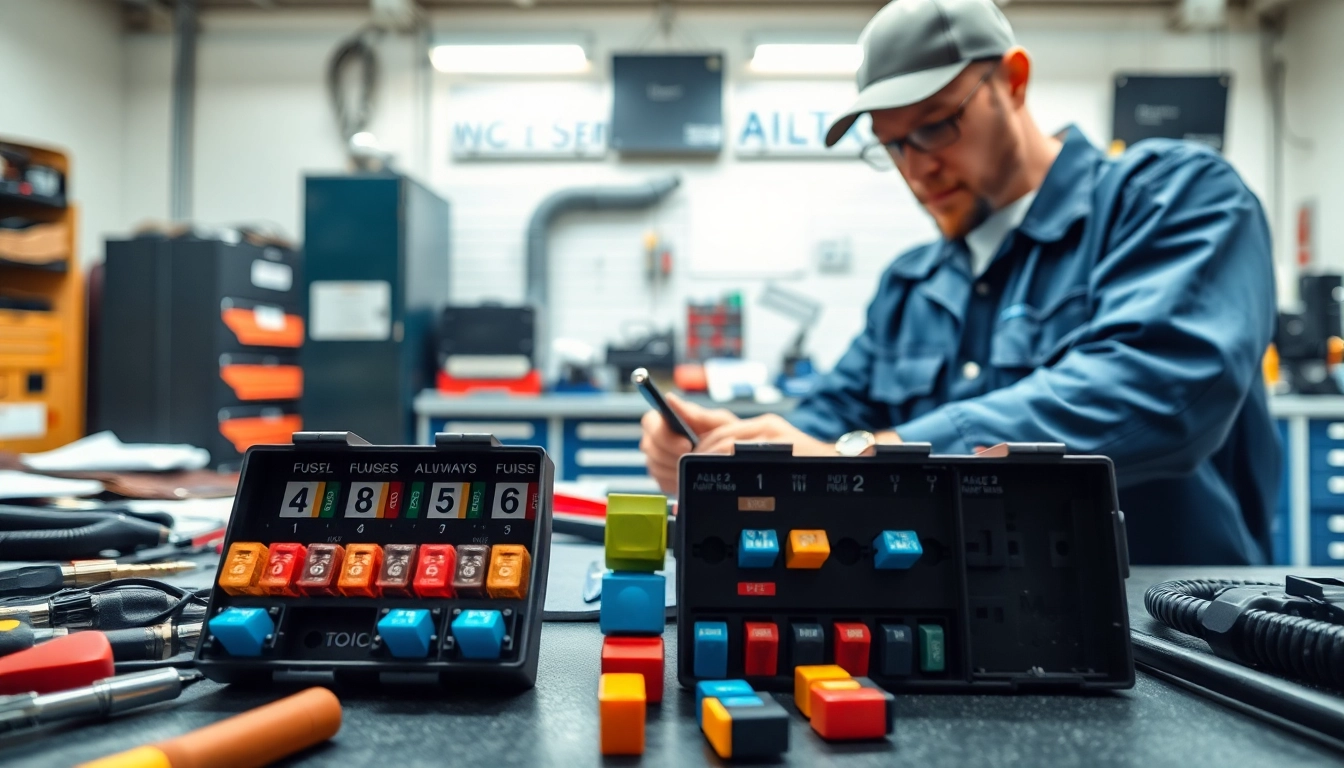
- Blade Fuses: These are the most common type of fuses used in modern vehicles. They have plastic bodies with two metal blades that plug directly into the fuse box. Blade fuses come in different colors, indicating different amperage ratings.
- Glass Tube Fuses: Also known as cylindrical fuses, these consist of a glass tube encasing a metal wire. They are often found in older vehicles. Their transparency allows for easy visual checks to determine if the fuse is blown.
- Ceramic Fuses: These are similar in construction to glass tube fuses but utilize ceramic bodies for better heat resistance. They are less common but are used in specific applications where high temperatures might be a concern.
Common Issues with Car Fuses
Several issues can arise concerning car fuses. These include:
- Blown Fuses: This is the most common problem. A blown fuse can result from overloaded circuits or short circuits in the wiring.
- Corroded Fuse Box: Exposure to moisture can corrode the fuse box connections, disrupting the flow of electricity.
- Incorrect Fuse Size: Using a fuse with a higher amperage rating than necessary can risk equipment damage; conversely, a fuse rated too low can blow frequently.
Identifying Fuses in Your Vehicle
How to Locate Your Car’s Fuse Box
Every vehicle is built differently, and thus the location of the fuse box can vary. However, common locations include the dashboard, underneath the steering wheel, or in the engine compartment. Consult your vehicle’s manual for precise locations. Usually, the fuse box cover has a diagram that shows the position of each fuse related to its corresponding circuit, making it easier to identify the right one.
Reading Fuse Labels and Diagrams
Each fuse in your fuse box should have a label indicating its function and amperage. Familiarizing yourself with this diagram can save time and prevent confusion when addressing electrical issues. Always ensure to consult the diagram before replacing a fuse to ensure you are handling the correct fuse.
Understanding Fuse Ratings
Fuses are rated by amperage, which indicates how much current they can safely handle. It's essential to use a fuse with the correct rating to avoid damaging electrical components. If a fuse blows frequently, you may need to investigate underlying problems rather than just replacing the fuse with a higher-rated model.
Diagnosing Fuse Problems
Signs of a Blown Fuse
The most apparent sign of a blown fuse is a failure in the electrical component it protects. For example, if your headlights or interior lights stop working, it could indicate a blown fuse. Other signs include burning smells, dimming lights, or intermittent electrical issues.
How to Test Fuses with a Multimeter
A multimeter is an essential tool for diagnosing fuse issues. Follow these steps:
- Set your multimeter to the continuity setting.
- Remove the suspected blown fuse from the fuse box.
- Touch one probe to each terminal of the fuse. If the multimeter beeps or shows continuity, the fuse is intact.
- If it shows no continuity, the fuse is blown and needs replacement.
Common Fuse Issues in Different Vehicle Brands
While the basic functioning of fuses is generally the same across all vehicles, different brands may have specific common issues due to their design and electrical systems. For instance, brands with advanced electronic systems may experience frequent blown fuses due to their high reliance on electronic components. Monitoring the fuse performance in such vehicles is crucial to maintaining a healthy electrical system.
Replacing and Maintaining Fuses
Step-by-Step Guide to Replacing Fuses
Replacing a blown fuse is a straightforward task:
- Identify the blown fuse using the methods previously discussed.
- Turn off the vehicle and ensure that the electrical system is not active.
- Use a fuse puller or pliers to remove the blown fuse gently.
- Insert a new fuse of the same amperage into the slot.
- Turn on the vehicle and test the electrical function to ensure the new fuse is working.
Important Safety Tips During Fuse Replacement
Safety is paramount when dealing with electrical components. Here are some essential tips:
- Always turn off the engine and the electrical system before working on fuses.
- Use the proper tools to prevent damaging the fuse or the fuse box.
- Never replace a blown fuse with one of a higher amperage rating, as it can cause damage.
Maintaining Fuse Boxes for Longevity
To ensure the longevity of your fuse box and its components, consider the following maintenance tips:
- Keep the fuse box dry and clean; avoid using any harsh chemicals that could corrode connections.
- Regularly inspect for signs of wear, corrosion, or overheating.
- Consult a professional for maintenance checks on complex electrical systems.
Advanced Fuse Applications and Troubleshooting
Understanding Complex Fuse Systems
Some modern vehicles have complex fuse systems, integrating multiple circuit boards and relays. Understanding the layout and functionality of these systems is crucial for diagnosing issues effectively. Always refer to the manufacturer’s manual for complex systems to avoid errors that can lead to further electrical issues.
Using Diagnostic Tools for Fuse Issues
In addition to a multimeter, several diagnostic tools are available to troubleshoot fuse-related issues. OBD-II scanners can read error codes related to electrical systems, providing valuable insights into underlying problems. Utilizing these tools can save time and enhance accuracy when diagnosing electrical issues.
Preventive Measures to Avoid Future Fuse Problems
Preventive maintenance can go a long way in avoiding fuse issues. Here are some measures to consider:
- Regularly inspect all electrical components for signs of wear and tear.
- Be cautious of any electrical accessories installed in your vehicle; they can overload circuits.
- Understand the limits of your vehicle’s electrical system to prevent overloading.
Conclusion
A comprehensive understanding of car fuses, their functions, and maintenance can significantly enhance your vehicle ownership experience. By knowing how to identify, test, and replace fuses, you can troubleshoot many common electrical issues effectively. Remember, regular maintenance and caution with electrical modifications can help prevent future fuse problems and maintain the integrity of your vehicle’s electrical system.