Understanding Off-Road Motorcycles
The Basics of Off-Road Motorcycles
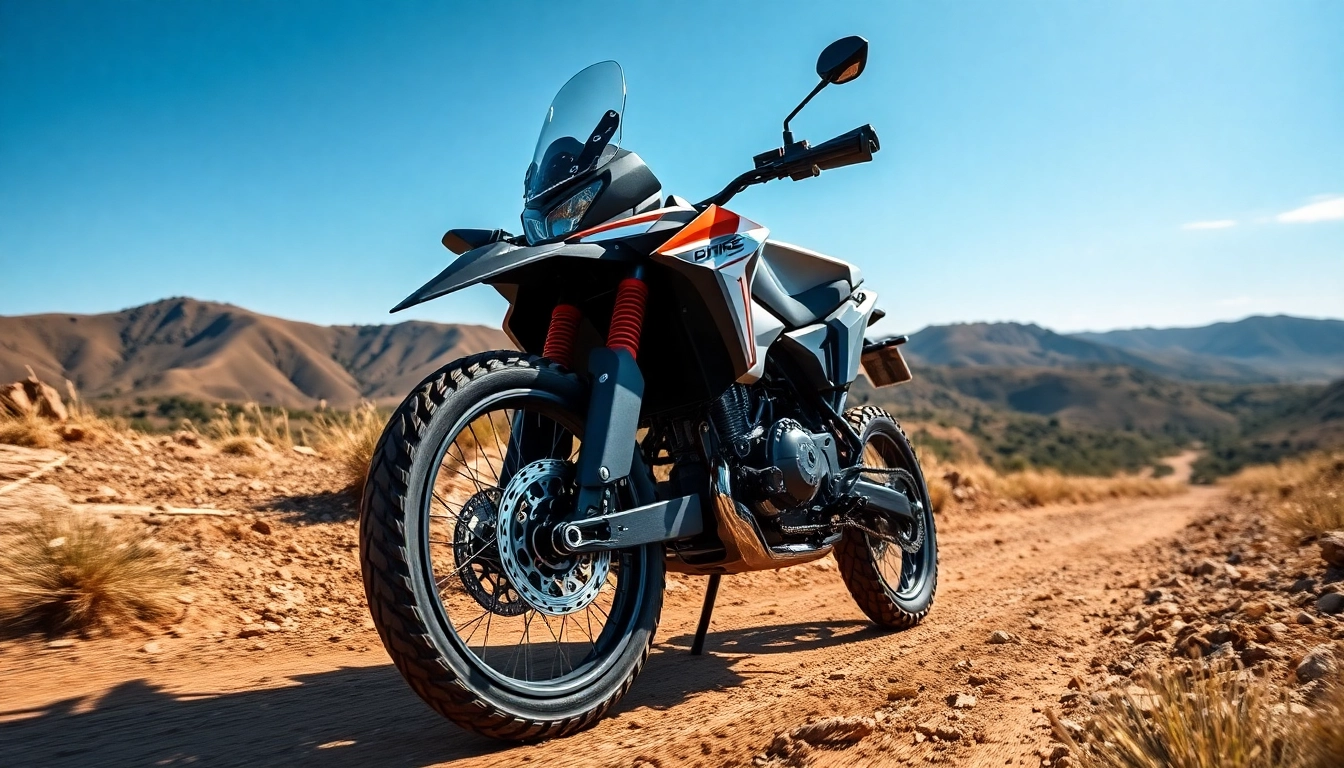
Off-road motorcycles are specially designed for riding on unpaved surfaces such as mountains, trails, and dirt tracks. They feature specific attributes that distinguish them from conventional street motorcycles, making them capable of handling various terrains and challenging conditions. The key elements of these vehicles include lightweight frames, long suspension travel, knobby tires, and durable construction that can withstand rough usage.
Types of Off-Road Motorcycles
Off-road motorcycles can be classified into several categories, each suited to different styles of riding and types of terrains:
- Trail Bikes: Ideal for beginners, trail bikes are lightweight and provide good torque at lower speeds, making them excellent for navigating tight trails.
- Motocross Bikes: Built for speed and agility, motocross bikes excel on closed circuits and are designed for racing with minimal weight and high power.
- Enduro Bikes: A blend of trail and motocross bikes, enduro motorcycles are built for long-distance rides across diverse terrains, including steep climbs and rocky paths.
- Adventure Bikes: These multi-purpose motorcycles can handle both off-road and highway conditions, equipped with larger fuel tanks and comfort features for long distances.
- Dual-Sport Bikes: Bridging the gap between street and off-road motorcycles, dual-sport bikes are street legal and can efficiently transition between highways and dirt trails.
Key Features to Look for in an Off-Road Motorcycle
When selecting an off-road motorcycle, consider the following features that significantly impact your riding experience:
- Weight: A lighter bike is easier to maneuver, especially in tricky terrains. Weight distribution is also crucial for managing balance.
- Suspension: Adequate suspension travel is necessary for absorbing shocks from uneven terrain, enhancing comfort and control.
- Tires: Choose tires with aggressive tread patterns for better traction on loose surfaces like mud, sand, and gravel.
- Seat Design: A comfortable seat aids in longer rides and can influence riding posture significantly.
- Braking System: Advanced braking systems, including disc brakes, provide better control and responsiveness in off-road situations.
Choosing the Right Motorcycle for Your Needs
Assessing Your Riding Skills
Choosing the right motorcycle starts with understanding your skill level. Beginners often benefit from lighter, less powerful motorcycles that offer manageable handling, while more seasoned riders may prefer high-performance models that can handle aggressive riding styles. Setting clear personal goals for your off-road riding can also help narrow down your options.
Evaluating Terrain Types
Your choice of motorcycle should align with the types of terrains you plan to ride. Evaluate the most common surfaces in your riding areas, such as:
- Dirt Trails: Look for bikes with robust suspension and knobby tires.
- Rocky Paths: A motorcycle with a lower center of gravity and good clearance can help traverse obstacles.
- Sandy Areas: Bikes equipped with wide tires can improve flotation and reduce sinking.
Pricing and Budget Considerations
Off-road motorcycles come in a variety of price ranges. Budgeting for additional costs, such as safety gear, maintenance, and modifications, is essential. Set a realistic budget that considers not just the motorcycle's cost but also the expenses that will arise over time. https://relevance.com.ua is a valuable resource for understanding various budget aspects involved in off-road biking.
Preparing for Your First Off-Road Ride
Essential Gear for Safety
Safety gear is non-negotiable for off-road riding. Essential items include:
- Helmet: A high-quality helmet designed for off-road use is imperative for head protection.
- Protective Clothing: Invest in padded jerseys and pants that provide protection against abrasions and impacts.
- Boots: Sturdy off-road boots support your ankles and provide grip on the motorcycle.
- Gloves: Durable gloves improve grip and hand protection.
- Body Armor: Optional, but advisable, body armor for chest and back protection enhances safety during ridings.
Preparing Your Motorcycle
Proper preparation of your motorcycle can significantly enhance your first riding experience. Key aspects to focus on include:
- Pre-Ride Inspection: Check tire pressure, brakes, and oil levels before every ride.
- Fuel Levels: Always ensure you have adequate fuel for your route.
- Chain Maintenance: Regularly lubricate the chain and check for proper tension.
- Lighting: Ensure all lights and signals function properly.
Understanding Trail Etiquette
Following trail etiquette not only enhances safety but also ensures respect for natural environments and fellow riders. Key points to keep in mind include:
- Be Mindful of Others: Yield to hikers, cyclists, and other riders when necessary.
- Stay on Designated Trails: Protect ecosystems by not wandering off established paths.
- Pack Out What You Pack In: Respect nature by leaving no trace of your visit.
Maintaining Your Off-Road Motorcycle
Routine Maintenance Tips
Regular maintenance is vital to ensure your off-road motorcycle remains in peak condition. Consider the following routine tasks:
- Oil Changes: Regular oil changes keep the engine healthy; refer to your manufacturer’s specifications for intervals.
- Filter Cleaning: Clean or replace air filters to prevent dirt from entering the engine.
- Tire Inspection: Regularly check for wear and tear on tires and replace them as necessary.
Common Issues and Solutions
Understanding common off-road motorcycle issues can save you time and frustration:
- Starting Problems: If the bike won't start, check the battery, fuel lines, and electrical connections.
- Suspension Issues: Address issues swiftly to prevent handling problems; check for fork leaks or damaged shocks.
- Chain Performance: A loose or rusty chain can affect performance; ensure it is cleaned and adjusted properly.
Finding Professional Help When Needed
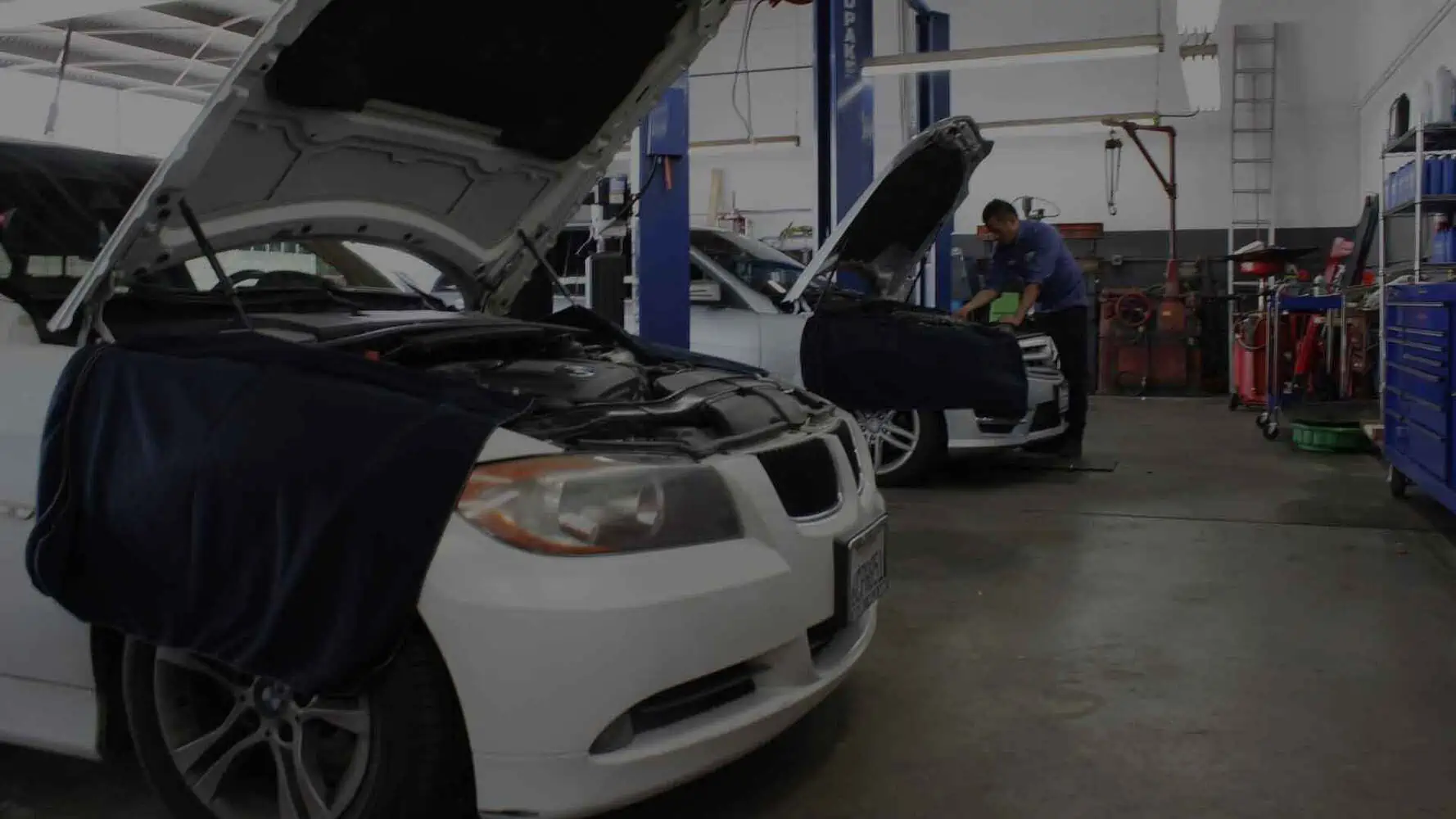
Sometimes, complicated issues may require professional assistance. Establish a relationship with a reliable mechanic or service center specializing in off-road motorcycles. The following tips can help you find a quality professional:
- Certifications: Check that mechanics have relevant certifications and are experienced with your motorcycle's brand.
- References: Seek recommendations from fellow riders or local motocross clubs.
- Warranty: Always inquire about warranty coverage for repair services.
Expanding Your Off-Road Riding Skills
Advanced Riding Techniques
Once you've mastered the basics of off-road riding, consider advancing your skills with specialized training. Techniques to work on include:
- Cornering: Learn body positioning to counterbalance your weight through turns.
- Jumping Techniques: Practice the art of jumping to navigate obstacles effectively.
- Throttle Control: Managing the throttle enhances traction and control across varying terrains.
Joining Off-Road Riding Groups
Joining local off-road riding groups or clubs provides community support and camaraderie. Riders often share valuable tips and experiences, creating a rich learning environment. Group rides can also boost confidence and skill through exposure to diverse terrains and riding styles.
Participating in Off-Road Events and Competitions
For those looking to challenge themselves, off-road events and competitions can provide the ultimate test of skills. Whether participating in organized races or informal meetups, these events offer opportunities to gauge improvement, learn from other riders, and enjoy the thrill of competition.