Understanding Chiheng Custom CNC Machining
CNC (Computer Numerical Control) machining is a revolutionary manufacturing process that utilizes computerized controls to manipulate machinery and tools. This process offers unparalleled precision and flexibility in producing complex parts and components. Chiheng Custom CNC Machining specializes in delivering high-quality CNC machined parts tailored to meet specific client requirements. From rapid prototyping to full-scale production, our custom machining services cater to various industries ensuring that every project meets rigorous quality standards.
What is CNC Machining?
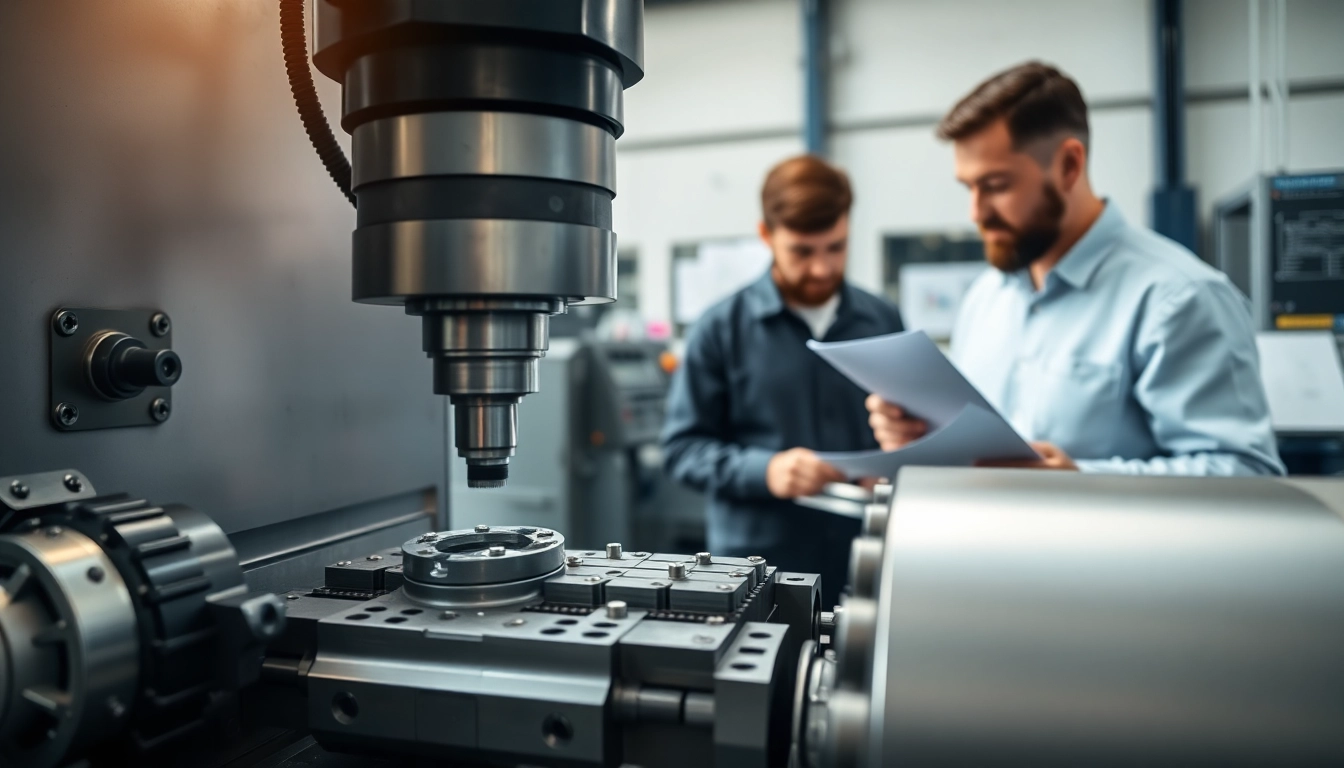
CNC machining involves the use of computerized systems to control machine tools such as lathes, mills, and routers. The main advantages of this method include high accuracy, repeatability, and the ability to create intricate designs. The process begins with a digital design, often created using CAD (Computer-Aided Design) software. The design is then converted into commands that the CNC machine can understand, allowing it to perform operations like cutting, drilling, and milling with remarkable accuracy.
Key Benefits of Custom CNC Machining
Custom CNC machining offers numerous benefits that make it a preferred choice for manufacturers and engineers:
- High Precision: CNC machines can achieve tolerances as tight as ±0.005 mm, ensuring that parts are manufactured to exact specifications.
- Versatility: CNC machining can handle a wide variety of materials, including metals, plastics, and composite materials, making it suitable for different applications.
- Efficiency: CNC machines can run continuously and produce parts quickly, which reduces lead times and production costs.
- Complex Geometries: The technology allows for the creation of intricate designs that may be difficult or impossible to achieve with traditional manufacturing methods.
- Reduced Waste: The precision of CNC machining results in less material waste, contributing to cost-effectiveness.
Common Applications in Various Industries
Chiheng Custom CNC Machining finds applications across a multitude of industries. Some common areas where CNC machined parts are critical include:
- Aerospace: Precision components for aircraft are manufactured to withstand extreme conditions.
- Automotive: High-performance parts for vehicles, from engines to interior components.
- Medical: Custom parts for medical devices, which often require a high level of sterility and precision.
- Electronics: Casings and internal components that need intricate designs for functionality.
- Construction: Customized hardware and fittings for building projects.
The Process of Chiheng Custom CNC Machining
Step-by-Step Overview
The CNC machining process at Chiheng consists of several key stages:
- Design: Initial designs are created using CAD software, detailing every dimension and feature.
- Programming: The design is translated into G-code, which is the language spoken by CNC machines.
- Setup: The CNC machine is set up with the necessary tools and materials to commence production.
- Machining: The CNC machine executes the design, cutting and shaping the material as specified.
- Inspection: Finished parts undergo rigorous quality control inspections to ensure they meet required tolerances and specifications.
Materials Used in CNC Machining
CNC machining is compatible with a wide variety of materials, demonstrating its adaptability. Common materials include:
- Aluminum: Lightweight yet sturdy, ideal for various applications in aerospace and automotive industries.
- Stainless Steel: Known for its durability and resistance to corrosion, often used in medical and industrial applications.
- Plastics: Versatile and cost-effective materials commonly utilized in prototypes and consumer products.
- Copper and Brass: Excellent for electrical and plumbing components due to their conductive properties.
- Composites: Advanced materials that offer high strength-to-weight ratios suitable for specialized applications.
Quality Control Measures for Precision
Quality control is paramount in CNC machining. Chiheng employs several measures to maintain high precision and quality:
- Calibration: Regular calibration of machines ensures that they operate within specified tolerances.
- Inspection Tools: Utilizing advanced tools such as CMM (Coordinate Measuring Machine) allows for accurate measurement of finished parts.
- Process Monitoring: Continuous monitoring of the machining process helps identify and rectify any deviations in real-time.
- Testing: Finished components may undergo functional testing to ensure they meet specified performance metrics.
Cost Factors in Chiheng Custom CNC Machining
Material Costs and Availability
The cost of materials is a significant factor in CNC machining pricing. Prices can vary based on market fluctuations, availability, and material quality. Understanding the nuances of material selection can help optimize your budget while achieving the desired quality.
Labor and Machine Time Considerations
Labor costs are primarily influenced by the complexity of the machining tasks and the skill level required to operate and maintain CNC machinery. Machine time is another major cost component; more intricate designs typically require longer manufacturing times, subsequently increasing costs. Efficient programming and setup can significantly reduce time and labor expenses.
Finding the Right Budget
Establishing a budget for CNC machining projects involves understanding the costs associated with design, materials, labor, and machine time. Businesses should consider factors such as potential economies of scale when estimating costs, especially for larger production runs. Careful planning can help ensure that projects stay within budget while meeting quality standards.
Best Practices for Efficient CNC Machining
Design Tips for CNC Machined Parts
Designing for CNC machining requires a unique approach to ensure efficiency and cost-effectiveness. Considerations include:
- Simplification: Reducing part complexity can lower machining time and costs.
- Adding Tolerances: Providing clear tolerances helps machinists produce the required precision without guesswork.
- Orientation: Choose appropriate orientations for machining features to minimize the need for additional setups.
Choosing the Right Equipment and Machines
The efficiency of CNC machining depends heavily on the machines and tools utilized. Selecting appropriate equipment that matches your production scale and complexity can enhance output and reduce maintenance costs. Regularly evaluating technology advancements is also essential for optimizing the machining process and taking advantage of improved techniques.
Streamlining Your Production Process
To maximize efficiency, organizations should continuously assess their production workflow. Implementing lean manufacturing principles, such as reducing waste and optimizing workflow, leads to enhanced productivity. Maintaining open communication between design and production teams is also vital to ensuring that expectations align throughout the production process.
FAQs About Chiheng Custom CNC Machining
How much does custom CNC machining cost?
Costs vary widely based on material, complexity, and volume. Generally, CNC machining costs range from $50 to $150 per hour, influenced by project specifics.
What materials can be processed through CNC machining?
CNC machining can handle various materials, including metals like aluminum and steel, plastics, composites, and more, making it versatile for many applications.
What tolerances can Chiheng Custom CNC Machining achieve?
Chiheng Custom CNC Machining can achieve tolerances as precise as ±0.005 mm, ensuring high-quality production for critical components.
How do I request a quote for custom machining?
To request a quote, you can provide your design specifications and desired quantities through our website, and our team will respond promptly with pricing and timelines.
What is the lead time for CNC machining projects?
Lead times can vary based on project complexity and workload. Generally, lead times for CNC projects range from a few days for prototypes to several weeks for larger production runs.