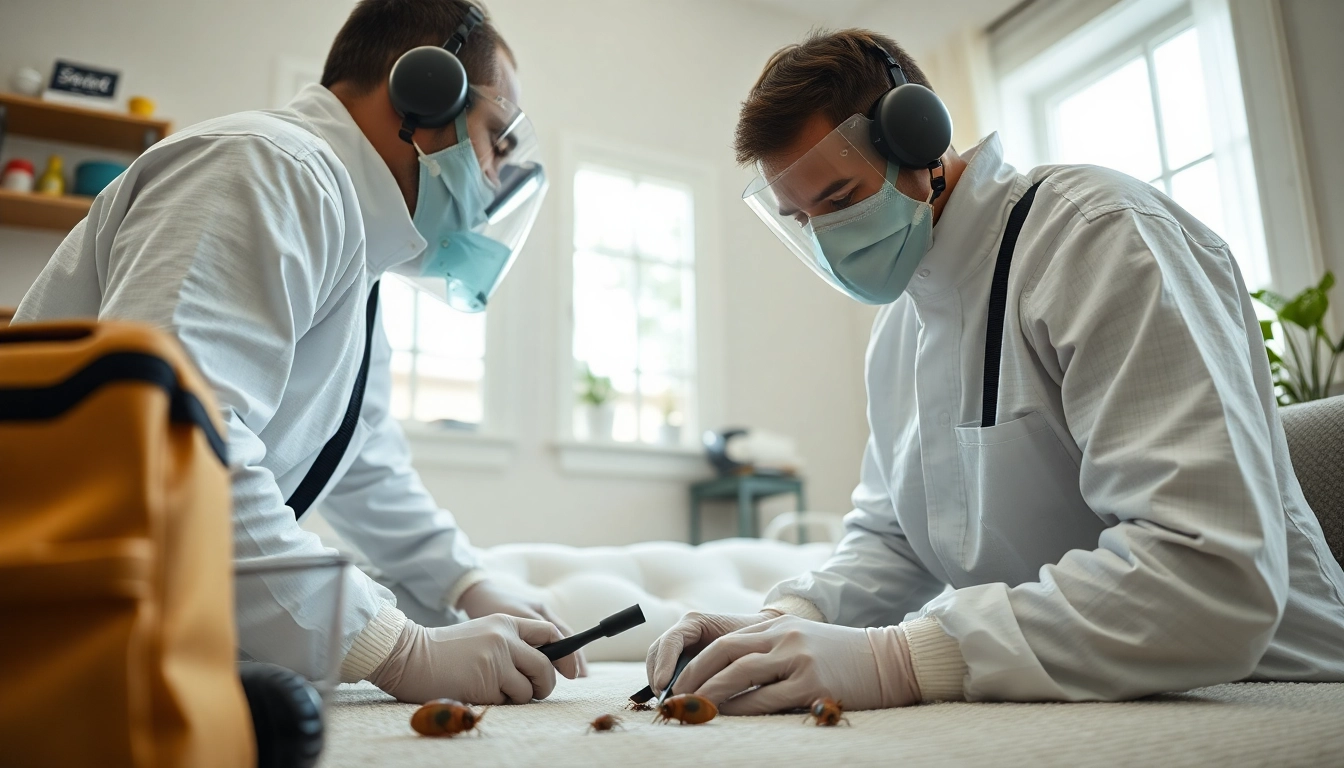
Understanding Bed Bug Exterminators
Bed bugs can be a homeowner’s worst nightmare. These small, nocturnal insects are known for their ability to hide in unseen crevices, only to emerge at night to feed on human blood. Their presence can lead to sleepless nights, anxiety, and ultimately, the need for bed bug exterminators if an infestation occurs. Understanding bed bugs and the options for extermination is critical for effective management.
What Are Bed Bugs?
Bed bugs, scientifically known as Cimex lectularius and Cimex hemipterus, are small, oval, reddish-brown insects that typically measure between 4 to 5 mm in length. They have a flattened body, which allows them to fit into cracks and crevices seamlessly. Females can lay hundreds of eggs throughout their lifetime, leading to quicker infestations if not addressed promptly. Bed bugs are not known to transmit diseases; however, their presence can cause significant discomfort due to bites, which can lead to secondary infections from scratching.
Common Signs of Bed Bug Infestation
Spotting the early signs of a bed bug infestation is vital for effective control. Some of the most common signs include:
- Itchy, red welts on the skin after sleeping, often appearing in clusters or lines.
- Dark spots on sheets or mattress seams, which may be bed bug excrement.
- Visible bed bugs or their eggs in bedding, clothing, or furniture.
- Unpleasant, musty odor in the infested area, often attributed to bed bug secretions.
Why Professional Extermination is Necessary
Attempting to eradicate bed bugs without professional help can lead to incomplete treatment and the resurgence of the infestation. Professional bed bug exterminators possess the expertise, experience, and tools necessary to ensure complete elimination. DIY methods often lack the thoroughness needed, as bed bugs can inhabit hard-to-reach areas that are easily overlooked.
Methods of Extermination
There are various methods of bed bug extermination available, each with particular advantages and disadvantages. Understanding these methods will help inform your decision when selecting a service.
Heat Treatment: How It Works
Heat treatment is an increasingly popular method for exterminating bed bugs, as it is chemical-free and environmentally friendly. This method involves raising the temperature in the affected area to a level that is lethal to bed bugs (around 120°F or 49°C). Specialized equipment is used to heat the space uniformly, including walls and furniture. This method can have immediate results but requires professional equipment and expertise to ensure complete success.
Chemical Treatments: Pros and Cons
Chemical treatments involve the application of insecticides designed to kill bed bugs at different life stages. While effective, these treatments can have drawbacks, including:
- Potential toxicity to humans and pets if not applied correctly.
- Resistance issues in bed bug populations, which can diminish effectiveness over time.
- Ongoing odor from chemicals used in the treatment process.
It is important to choose a licensed exterminator who is knowledgeable about safe chemicals and best practices for application.
Integrated Pest Management Strategies
Integrated Pest Management (IPM) is a holistic approach that combines various techniques to manage bed bug infestations effectively. This may include a combination of heat treatments, chemical applications, monitoring, and sanitation efforts. IPM emphasizes prevention and monitoring, thus reducing the need for chemical treatments. This approach is proactive and helps ensure a long-term solution to bed bug issues.
Cost Considerations for Bed Bug Exterminators
The cost of hiring bed bug exterminators can vary widely based on several factors. Understanding these costs will help you budget appropriately for your treatment.
Factors Influencing Treatment Costs
Several factors can influence the overall cost of bed bug extermination services:
- Size of the infestation: Larger infestations typically require more resources and time.
- Treatment method selected: Heat treatments may have different pricing compared to chemical methods.
- Location and accessibility: Areas that are difficult to reach may incur additional charges.
- Follow-up services needed: Additional inspections and treatments may be necessary depending on the severity of the infestation.
Budgeting for Professional Services
When budgeting for bed bug extermination, consider not only the initial treatment costs but also potential follow-ups and preventive measures. It's advisable to obtain quotes from multiple exterminators and factor in the long-term savings of professional treatment compared to DIY attempts, which may require repetitive effort and yield incomplete results.
Comparing Long-term Savings vs. DIY
While DIY methods can seem more cost-effective initially, they often lead to higher expenses in the long run. Professional extermination services, while sometimes pricier upfront, typically offer more effective and comprehensive solutions, reducing the chance of future infestations. Consulting with experienced exterminators will help clarify the best course of action based on your unique situation.
Choosing the Right Bed Bug Exterminators
Finding the right exterminator involves more than just searching for the lowest price. It requires careful research and consideration of various factors.
Qualities to Look for in Exterminators
When selecting a bed bug exterminator, consider the following qualities:
- Experience: Look for companies with a proven track record in dealing with bed bug infestations.
- Licensing and Certification: Ensure the exterminator is licensed to operate in your area and properly trained in bed bug control techniques.
- Reputation: Check reviews and testimonials to gauge customer satisfaction.
Questions to Ask Before Hiring
Before making a selection, it's important to ask potential exterminators the following questions:
- What treatment methods do you recommend for my situation?
- What is included in your service, and how long will it take?
- Do you provide follow-up treatments or inspections?
Reading Reviews and Testimonials
Reviews and testimonials from past customers can provide insight into an exterminator's expertise and customer service. Look for patterns regarding satisfaction, effectiveness of treatments, and responsiveness of the exterminators to concerns post-treatment.
FAQs about Bed Bug Extermination
What is the process of bed bug extermination?
The process typically involves an initial inspection, treatment (heat or chemical), and follow-up monitoring to confirm eradication.
How long does treatment take?
Treatment time can vary; heat treatments might only take a few hours, while chemical approaches may last several days for optimal effectiveness.
Are bed bug exterminators safe for pets?
Most extermination methods can be safe for pets, but it’s crucial to inform the exterminator about any pets in the household beforehand.
How can I prepare my home for extermination?
Preparation includes decluttering, washing bedding, and moving furniture away from walls to improve access for treatment.
What is the success rate of bed bug extermination?
Success rates for proper treatments can exceed 95%, particularly when thorough preparation and ongoing monitoring are emphasized.