Introduction to Metal Roofing
As homeowners increasingly seek durable, energy-efficient solutions for their roofs, metal roofing has emerged as a highly desirable option. With its longevity, eco-friendliness, and excellent protection against the elements, metal roofing caters to a diverse range of architectural styles and climates. This article delves deeply into what metal roofing entails, its numerous advantages, the types of materials available, installation processes, maintenance tips, cost considerations, and much more.
What is Metal Roofing?
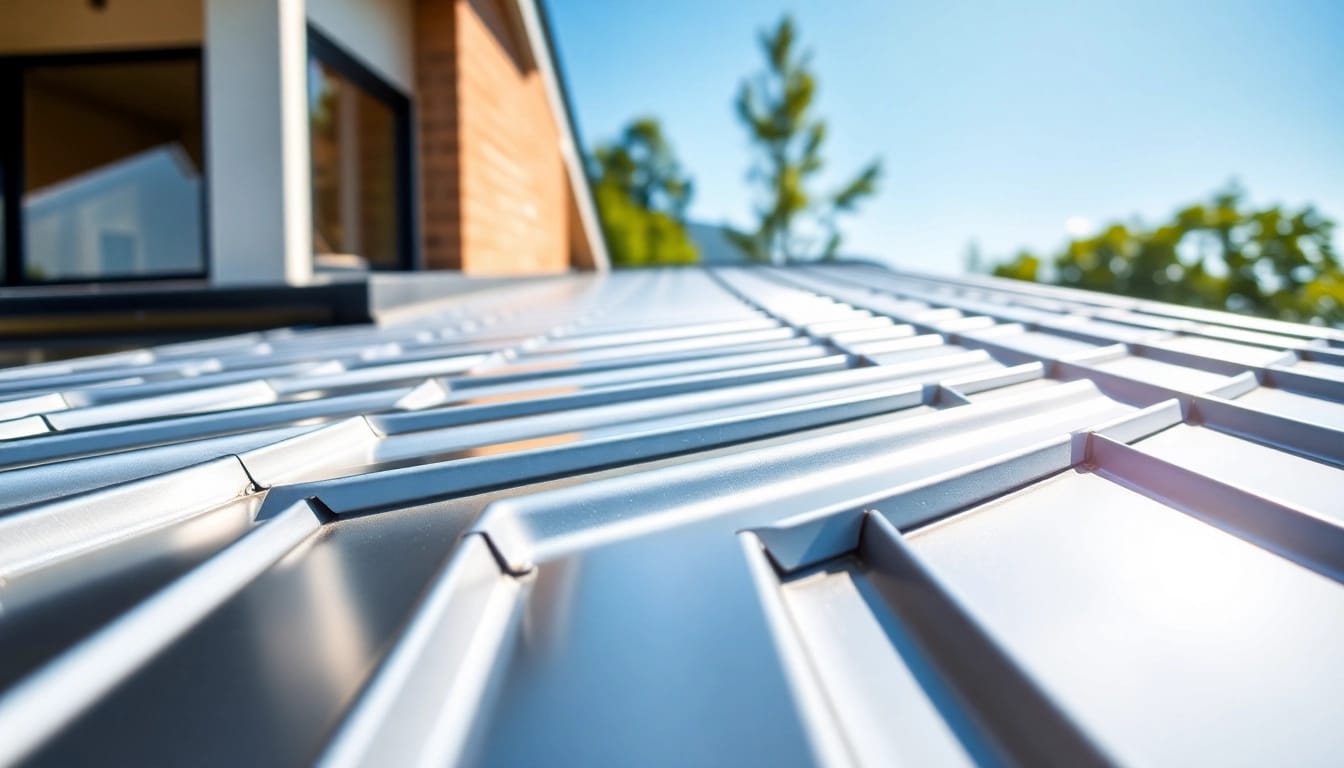
Metal roofing refers to a roofing system built from metal pieces or tiles. Metal roofs can be made from a variety of metals, including steel, aluminum, copper, and zinc. Unlike traditional asphalt shingles, metal roofs are made from interlocking panels or individual sheets that form a protective barrier against weather damage. This includes resistance to wind, rain, snow, and even fire, making them a reliable choice for homeowners looking for a robust roofing solution.
Benefits of Metal Roofing
The benefits of metal roofing are extensive, making it a popular choice among homeowners. Here are some key advantages:
- Durability: Metal roofs can last 40 to 70 years, depending on the material.
- Energy Efficiency: Reflective metal surfaces help to reduce cooling costs by reflecting sunlight and heat.
- Environmentally Friendly: Metal roofs are often made with recycled materials and are fully recyclable at the end of their lifespan.
- Lightweight: They are significantly lighter than traditional roofing materials, reducing stress on supporting structures.
- Variety of Styles: Available in numerous colors and designs, metal roofing can suit any home’s aesthetics.
Common Applications of Metal Roofing
Metal roofing can be utilized in various applications, from residential to commercial buildings. Some common uses include:
- Residential Homes: Many homeowners choose metal roofing for its aesthetic appeal and durability.
- Commercial Buildings: Metal roofs are prevalent in commercial properties due to their long lifespan and low maintenance needs.
- Industrial Facilities: The ability of metal roofs to withstand harsh conditions makes them suitable for warehouses and factories.
- Garages and Sheds: Metal roofing is also a smart choice for outbuildings and storage facilities.
Types of Metal Roofing Materials
Choosing the right material is crucial when considering metal roofing. Different types of metal roofing materials offer distinct benefits and aesthetics. Here we explore the most common materials:
Steel Metal Roofing
Steel is one of the most popular roofing materials due to its strength and durability. It is often coated with zinc to prevent rusting and is available in various styles, including standing seam, corrugated panels, and shingles. Steel roofs are suitable for a range of climates and are resistant to fire, impact, and pests. Although they may have a higher initial cost, their longevity and low maintenance can make them a cost-effective choice in the long run.
Aluminum Metal Roofing
Aluminum offers excellent corrosion resistance, making it ideal for coastal areas where salt oxidation is a concern. Aluminum roofing is also lightweight, making installation easier. It can be found in various styles, such as shingles, panels, and tiles. While aluminum roofs are generally more expensive than steel, they provide superior durability and long-lasting performance.
Copper Metal Roofing
Copper roofing is renowned for its beauty and longevity, often lasting for over 100 years. It develops a natural patina over time, adding to its charm. Although copper roofing has a higher upfront cost, its aesthetic appeal and resilience make it a luxurious option for high-end homes. As it ages, copper provides relatively low maintenance, requiring simple periodic inspections.
Metal Roofing Installation Process
The installation of metal roofing requires careful planning and execution. Proper installation not only ensures visual appeal but also maximizes performance and lifespan.
Preparation and Planning
Before installation, it is crucial to assess the existing roof structure to ensure it can support the new metal roofing system. Planning also involves choosing the right metal type, style, and color that complements the home. It’s a good idea to hire experienced professionals who are knowledgeable about local building codes and installation techniques.
Installation Steps
- Remove Existing Roofing: Clear away old roofing materials while ensuring that the roof deck is in good condition.
- Install Underlayment: A water-resistant underlayment is crucial for added protection against moisture.
- Install Panel or Shingle System: Follow manufacturer instructions, ensuring correct overlapping and fastening.
- Trim and Flashing: Install edge trims and flashing around vents and chimneys to prevent leaks.
- Final Inspection: After installation, conduct a thorough inspection to confirm everything is properly installed.
Common Mistakes to Avoid
When installing metal roofing, several common mistakes can be avoided:
- Improper measurements leading to material waste.
- Neglecting to install underlayment, which can cause moisture issues.
- Failing to follow manufacturer specifications resulting in potential warranty issues.
- Skipping the final inspection, potentially missing installation errors.
Metal Roofing Maintenance and Care
While metal roofing is designed to minimize maintenance, some care is required to enhance longevity and performance.
Routine Checks and Cleaning
Regular inspections are essential for keeping a metal roof in prime condition. Homeowners should check for signs of rust, loose panels, and debris accumulation. Cleaning should be done at least once a year, using a mild detergent and water. It is important to remove leaves and other debris that can trap moisture and damage the surface over time.
Dealing with Damage and Repairs
In case of damage—whether from weather or impact—prompt repairs are necessary. Small dents or scratches can often be painted over with a touch-up kit designed for metal roofing. If panels are severely dented or rusted, replacing those panels may be required. Always consult with professionals if there’s uncertainty regarding repairs.
Enhancing Longevity of Metal Roofing
Some practical tips for enhancing the longevity of a metal roof include ensuring proper ventilation in the attic and installing gutter systems to channel water away from the roof. Using protective coatings can also help against corrosion and fading over time.
Cost Considerations and ROI of Metal Roofing
Understanding the costs associated with metal roofing is important for homeowners who are considering this investment. The initial expenditure can be higher than traditional roofing; however, long-term savings often justify this cost.
Factors Affecting Metal Roofing Costs
The cost of installing a metal roof depends on various factors, including:
- The type of metal selected (aluminum, steel, copper, etc.).
- The complexity of the roof structure, including slopes and angles.
- Labor costs in the area.
- Additional features such as insulation, underlayment, and special finishes.
Average Installation Prices
On average, metal roofing costs between $4 to $30 per square foot, depending on the chosen material and whether installation is DIY or handled by professionals. The higher-end materials, such as copper and some aluminum varieties, tend to cost more but offer impressive durability and aesthetics.
Long-term Value and Energy Efficiency
Investing in metal roofing presents long-term value through energy efficiency. Metal roofs reflect solar radiant heat, reducing cooling costs by 10-25% during hot months. Additionally, many profiles are ENERGY STAR® rated, making them qualify for energy credits in certain areas.
FAQs About Metal Roofing
1. Is metal roofing noisy during rain or hail?
Metal roofing can be noisy during rain or hail; however, proper insulation and the installation of an underlayment can significantly reduce sound transmission.
2. Can I install metal roofing over shingles?
h3>Yes, you can install metal roofing over existing shingles, but ensure the existing roof is in good condition and check local building codes.
3. How long does metal roofing last?
Metal roofing can last anywhere from 40 to 70 years with proper care and maintenance, significantly outlasting many traditional roofing materials.
4. Is metal roofing energy efficient?
Yes, metal roofing is energy efficient, as it reflects solar heat, leading to reduced energy costs for cooling during the hot months.
5. What maintenance is required for metal roofing?
Routine checks for rust, cleaning debris, and inspecting for damage are essential maintenance practices for ensuring the longevity of metal roofing.