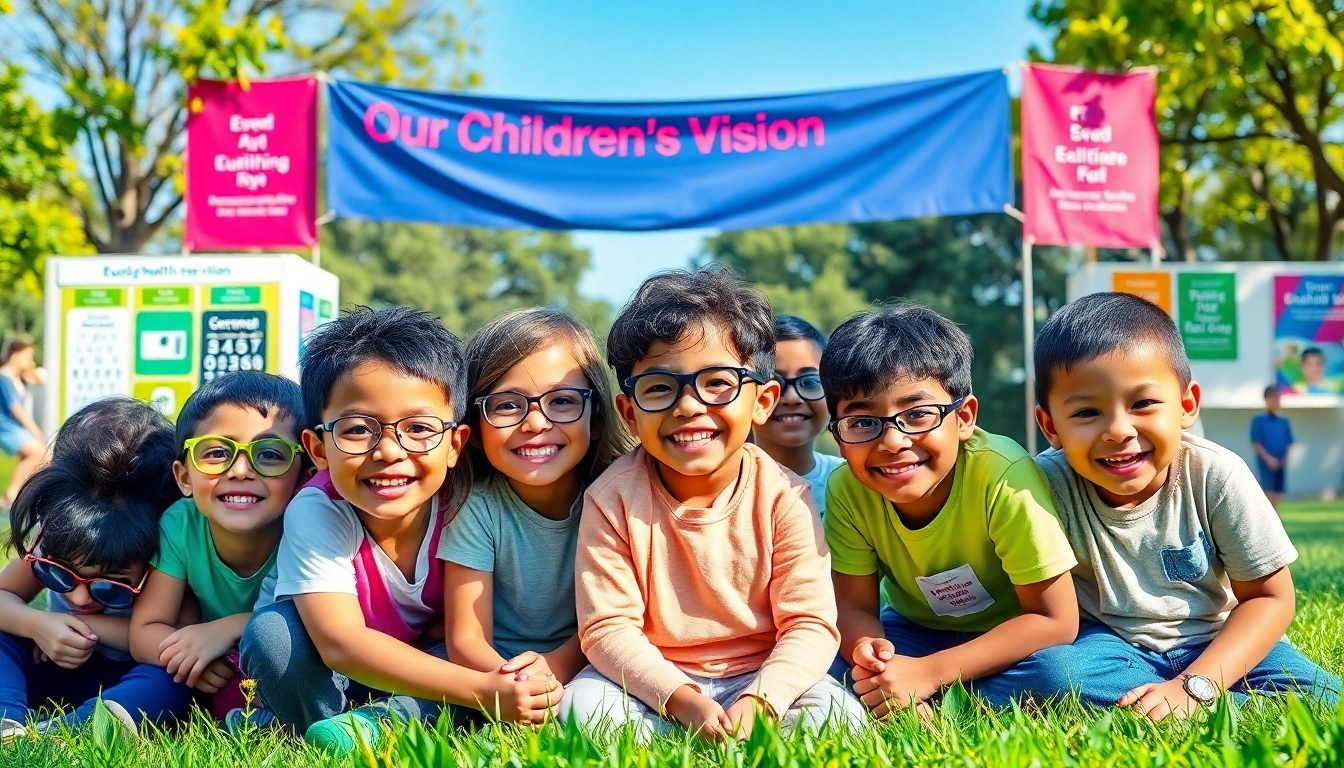
Introduction to Our Children's Vision
Eye health is a crucial aspect of overall well-being, particularly during childhood when vision plays an integral role in learning and development. Unfortunately, many children face significant barriers to receiving necessary eye care, which can have lasting impacts on their educational outcomes and quality of life. Our Children's Vision is an initiative aimed at addressing these issues head-on, striving to ensure that every child has access to proper eye care and treatment.
Understanding the Issue: Declining Eye Health in Children
The decline in children's eye health over the past few decades is alarming. Factors such as increased screen time, lack of outdoor activities, and inadequate access to eye care services contribute to this troubling trend. Children are now more exposed to digital devices than ever before, which can lead to a variety of vision problems.
Moreover, the socio-economic divide affects access to eye care. Families in lower-income brackets often cannot afford regular eye exams or treatments, leading to preventable vision impairment. Understanding this landscape is essential for devising effective strategies to combat declining eye health among children.
Key Statistics on Children's Vision Health
Statistics paint a stark picture of children's vision health. Research indicates that nearly 1 in 4 children in the United States has an undiagnosed vision problem, affecting their ability to learn and grow. In addition, studies show that conditions like myopia (nearsightedness) are on the rise, particularly among school-aged children. The increased reliance on screens has accelerated this trend, making it more critical than ever to spotlight the importance of eye health.
The Role of Community in Promoting Eye Care
Communities play a vital role in promoting the eye health of children. Local organizations, schools, and healthcare providers can work together to raise awareness and provide resources for vision screenings and eye care services. Community events, such as health fairs or workshops, can educate parents and caregivers about the importance of regular eye exams, proper screen use, and outdoor activities that promote healthy vision.
Common Vision Problems in Children
Identifying Signs of Vision Impairment
Recognizing the signs of vision impairment in children is crucial for early intervention. Common indicators include squinting, covering one eye, difficulty focusing on tasks, and frequent headaches. Parents should also be aware of behavioral changes, like avoiding reading or other activities requiring close vision. Being vigilant about these symptoms can lead to timely professional evaluation and treatment.
The Impact of Digital Screens on Children's Eyesight
The increase in screen time among children, attributed to online learning and leisure activities, has resulted in a surge of vision-related issues. Prolonged use of digital devices can lead to digital eye strain, symptoms of which include discomfort, dryness, and blurred vision. Experts recommend the "20-20-20" rule: every 20 minutes, take a 20-second break to look at something 20 feet away. This simple practice can help mitigate some of the adverse effects of screen use.
Myopia: The Growing Concern for Future Generations
Myopia, or nearsightedness, is a significant and growing concern for future generations. As children spend more time indoors and less time engaged in outdoor activities, the incidence of myopia has risen sharply. Studies indicate that outdoor activities can reduce the risk of developing myopia, emphasizing the need for children to engage in regular outdoor play. Myopia can lead to severe vision impairment if left untreated, making preventive strategies highly important.
Best Practices for Eye Health
Essential Eye Care Tips for Parents
Parents play a crucial role in safeguarding their children's eye health. Regular eye checks should start from an early age, ideally by the time children reach preschool. Incorporating eye health discussions into daily routines can also reinforce the importance of taking care of one's vision. Other essential tips include ensuring adequate lighting while reading or doing homework, monitoring screen time, and encouraging breaks during prolonged use of any visual display.
Importance of Regular Eye Exams
Regular eye exams are fundamental to maintaining a child's vision health. These examinations can detect problems early, often before children exhibit noticeable symptoms. Eye care professionals recommend comprehensive eye exams at specific intervals throughout childhood to ensure that any developing conditions, such as refractive errors or binocular disorders, are identified and managed promptively.
Promoting Outdoor Activities for Eye Wellness
Encouraging children to engage in outdoor activities is one of the most effective strategies for promoting eye health. Nature provides a range of benefits, including the opportunity for visual stimulation at varying distances. Activities such as sports, hiking, and simply playing outside can help reduce the risk of developing myopia and promote overall visual well-being. Families can organize outdoor playdates or community sports teams to inspire regular outdoor engagement.
Programs and Partnerships Supporting Our Children's Vision
Successful Initiatives and Campaigns
Various initiatives and campaigns have emerged to support children's eye health. These programs often focus on increasing access to eye care services, enhancing awareness about the importance of regular screenings, and providing resources to underserved communities. Successful case studies highlight how collaborative efforts between schools, nonprofits, and healthcare providers can lead to improved access to comprehensive vision care.
How to Get Involved in Your Community
Community involvement is crucial in addressing children's vision health. Individuals can advocate for eye care services in schools, support fundraising initiatives for vision screenings, and participate in local health fairs. Volunteer opportunities with organizations focusing on children's health can also help raise awareness and foster an environment where eye health is prioritized.
Online Resources for Eye Health Awareness
The digital age offers numerous resources to promote eye health awareness. Parents can access informative websites, educational materials, and interactive tools that focus on children's vision. Resources provided by health organizations can guide parents on monitoring their children's vision, understanding common vision problems, and seeking appropriate care.
Future of Eye Health Initiatives
Innovative Approaches to Addressing Vision Issues
Looking forward, innovative approaches to addressing children's vision issues are crucial. Integrating technology into eye care, such as telehealth services for remote consultations or digital screening tools, can make eye care more accessible. Community-based models that collaborate with schools and local health departments are also promising for early detection and intervention.
The Role of Policy in Child Eye Health
Policy plays a significant role in ensuring that children's eye health initiatives are adequately supported and funded. Advocacy for policies that mandate routine vision screenings in schools and increase public funding for vision care services can help address disparities and improve outcomes for children. Engaging with policymakers to highlight the importance of eye health is essential for securing necessary resources.
Long-term Goals for Our Children's Vision and Eye Health
Achieving sustainable improvements in children's eye health requires a long-term commitment from all sectors involved. Goals should focus on increasing the accessibility of eye care services, fostering community awareness, and encouraging research into new methods to prevent and treat vision problems in children. The vision for a future where every child has access to essential eye care is not only ambitious but necessary for the wellbeing of future generations.