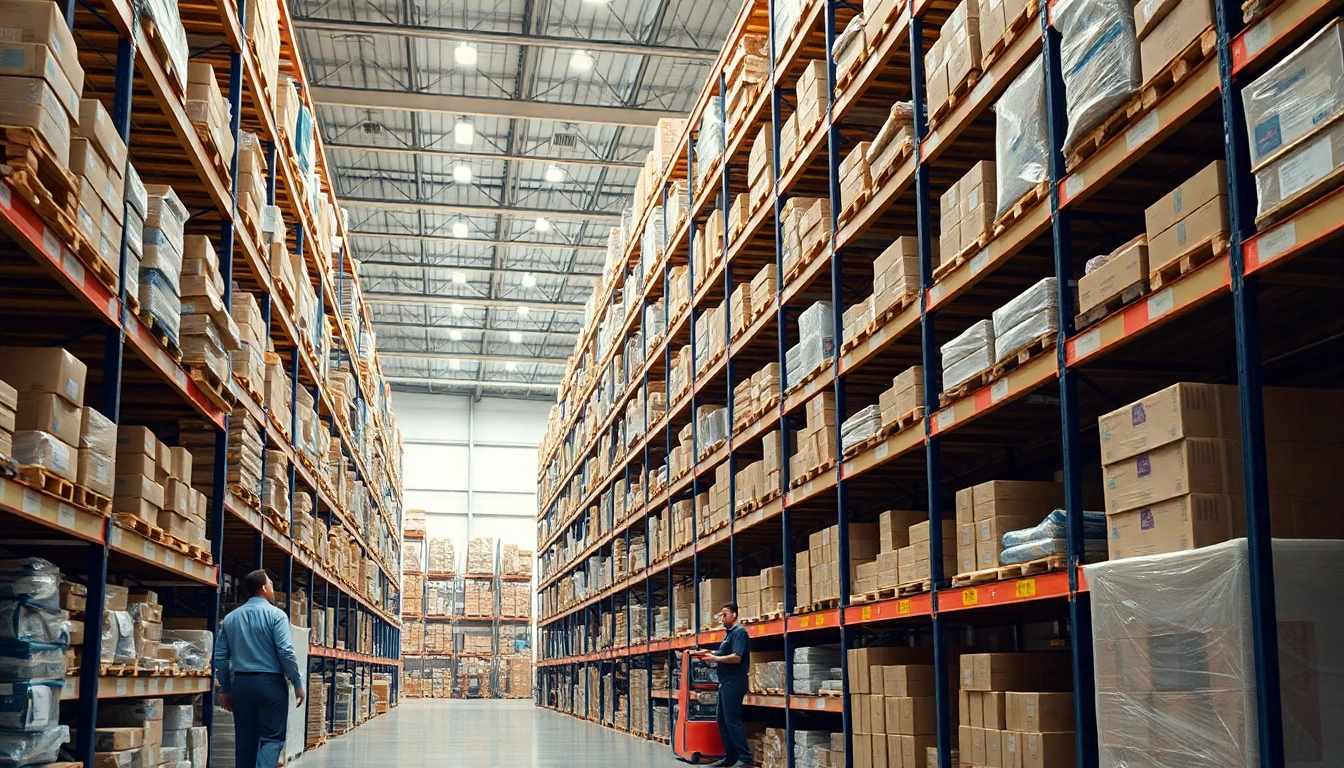
The Basics of Warehousing
Definition of warehousing
Warehousing refers to the systematic process of storing goods until they are needed for distribution to consumers or businesses. This facility not only safeguards the products but also facilitates their management and organization. A warehouse provides businesses with a crucial component of their supply chain, acting as a bridge between production and consumption. Efficient warehousing operations ensure that goods are available for rapid distribution, thus maintaining an agile supply chain.
Importance of warehousing in supply chain
Warehousing plays a vital role in the overall supply chain management process. It enhances efficiency by balancing supply and demand, ensuring that inventory is held in the optimal amount to meet customer needs without overstocking or financial waste. Moreover, it allows for the consolidation of shipments, reducing transportation costs while ensuring timely delivery of goods.
For many businesses, an effective warehousing strategy can directly impact profitability. By optimizing the warehousing process, companies can improve lead times, reduce inventory holding costs, and enhance customer satisfaction. Utilizing warehousing solutions can result in increased operational flexibility and scalability, adapting to market fluctuations while minimizing risks associated with inventory management.
Types of warehousing: public vs private
In the warehousing industry, two primary types exist: public and private warehousing. Public warehouses are facilities owned by third-party operators and are available for rent to multiple businesses. This option is beneficial for companies that require flexibility and wish to avoid the capital costs associated with owning warehouse space.
On the other hand, private warehouses are owned and operated by a company for its exclusive use. This model allows businesses greater control over their warehousing operations and is typically more cost-effective for businesses with substantial and constant inventory needs. Each type has its own set of advantages and limitations, making it essential for businesses to evaluate their specific needs and choose the appropriate warehousing solution.
Key Functions of Warehousing
Storage essentials in warehousing
At its core, warehousing is about storage. It involves not just holding inventory but doing so efficiently. Various storage methods are employed in warehouses, including pallet racking systems, shelving, and automated storage solutions, depending on the nature of the goods.
Effective storage solutions reduce space wastage, increase accessibility to products, and improve the overall efficiency of warehouse operations. Businesses should assess their inventory characteristics, such as size, turnover rates, and seasonal demand variations, to optimize their storage strategies. Implementing clear labeling and organization systems further enhances retrieval speed and reduces errors, ultimately contributing to better operational performance.
Inventory management techniques in warehousing
Inventory management in warehousing encompasses techniques designed to maximize stock availability and minimize costs associated with holding inventory. Some widely used techniques include Just-In-Time (JIT) inventory management, Safety Stock, and FIFO (First In, First Out) strategies.
The JIT method focuses on reducing inventory holding costs by only ordering goods as they are needed, which can increase the risk of stockouts if demand spikes unexpectedly. Safety stock acts as a buffer against sudden increases in demand, while FIFO ensures that perishable items are sold before they expire. By understanding these techniques, businesses can better align their warehousing strategies with market requirements and customer preferences.
Order fulfillment processes in warehousing
Order fulfillment is a critical function of warehousing, encompassing the entire process from when an order is received to when it is delivered to the customer. This includes receiving products, picking items from shelves, packing them for shipment, and finally, dispatching the orders.
Streamlining order fulfillment can drastically reduce lead times and improve customer satisfaction. Advanced picking technologies, such as RFID and barcode scanning, can enhance accuracy, while utilizing cross-docking strategies can expedite the shipping process. Evaluating fulfillment strategies and operational workflows will help define best practices that suit a business's unique requirements.
Technology in Warehousing
Automation trends in warehousing
Automation is transforming the warehousing landscape, streamlining processes and improving efficiency. Robotics, conveyor systems, and automated guided vehicles (AGVs) are increasingly being integrated into warehousing operations. These technologies can significantly decrease the time required for inventory picking and movement, thus drastically reducing labor costs.
Additionally, automated systems provide real-time inventory tracking, ensuring better stock management and minimizing errors. The adoption of these technologies can lead to improved scalability, enabling warehouses to adapt to varying demands without sacrificing service levels.
Software solutions for warehousing
Warehouse Management Systems (WMS) are integral to modern warehousing operations. These software solutions offer functionalities for tracking inventory levels, managing order processing, and optimizing storage space. Choosing the right WMS can enable businesses to automate manual processes, enhance accuracy, and provide critical insights through data analytics.
Furthermore, cloud-based WMS solutions allow for scalability and flexibility, providing businesses with the ability to adjust and grow without significant upfront investments. The right software solution aligns with a business's warehousing goals, ensuring enhanced productivity and streamlined operations.
Impact of data analytics on warehousing
Data analytics is playing an increasingly significant role in warehousing decision-making. By harnessing data, businesses can forecast demand trends, optimize routes, and manage inventory levels more effectively. Dashboard analytics provide insights into warehouse operations, helping managers identify bottlenecks and areas for improvement.
Adopting predictive analytics can drastically improve a warehouse’s responsiveness to changing customer demands, while also minimizing excess inventory costs. Embracing data-driven decision-making in warehousing promotes continuous improvement and adaptive strategies that align with business objectives.
Challenges in Warehousing
Space management issues in warehousing
Space management poses a recurring challenge in warehousing, especially as inventory volumes fluctuate. Inefficient use of space can lead to diminished operational efficiency, increased transportation costs, and even loss of sales opportunities.
To combat these challenges, businesses can employ vertical storage solutions and innovative layout designs that maximize available space. Periodic assessments of storage layouts and capacity utilization can help identify areas for improvement, leading to significant operational cost reductions.
Labor costs and workforce management in warehousing
Labor constitutes a significant component of warehousing costs. Managing workforce efficiency is thus essential for controlling expenses and ensuring smooth operations. Shortages of skilled labor can also disrupt warehouse effectiveness, particularly during peak seasons.
Implementing workforce management software can help in tracking productivity, scheduling shifts, and providing training resources. Additionally, fostering a positive workplace culture and investing in training programs can enhance employee retention and performance.
Compliance and safety regulations affecting warehousing
Warehousing operations must adhere to various safety and compliance regulations to safeguard employees and property. Regulations may include aspects of Occupational Safety and Health Administration (OSHA) requirements, hazardous material handling, and environmental standards.
Failure to comply can result in significant fines and operational shutdowns. Consequently, developing a robust compliance management program, incorporating regular training and inspections, becomes essential. Moreover, actively promoting safety protocols can enhance workplace morale and reduce injury rates.
Future Trends in Warehousing
Sustainability practices in warehousing
Sustainability is becoming an increasingly important focus within warehousing practices. Companies are adopting environmentally-friendly practices to reduce their carbon footprints, such as using energy-efficient lighting and optimizing transportation routes to minimize fuel consumption.
Additionally, implementing recycling programs within warehouse operations contributes to a more sustainable infrastructure. Investing in green technologies not only benefits the environment but can also enhance brand reputation and customer loyalty among eco-conscious consumers.
Innovative warehousing designs
The evolution of warehousing designs is being driven by demands for efficiency and adaptability. Innovative warehouse designs incorporate modular systems that allow space to be reconfigured depending on changing needs. Such designs can significantly enhance operational flexibility and reduce costs related to renovations or expansions.
Moreover, integrating technology into the physical layout, such as using drones for inventory checks or automated retrieval systems, can streamline operations, reducing labor costs and enhancing speed.
Adapting to e-commerce demands in warehousing
As e-commerce continues to rise, warehousing strategies must adapt to meet the unique demands of online retail. This includes implementing systems for rapid order fulfillment, managing high volumes of small orders, and accommodating returns management effectively.
Developing last-mile delivery solutions is also essential to enhance customer satisfaction in e-commerce. Warehouses that strive to remain agile and adaptable in the face of these changes will be better positioned to thrive in the dynamic retail landscape.