What are Yoga Mudras?
Definition and Overview
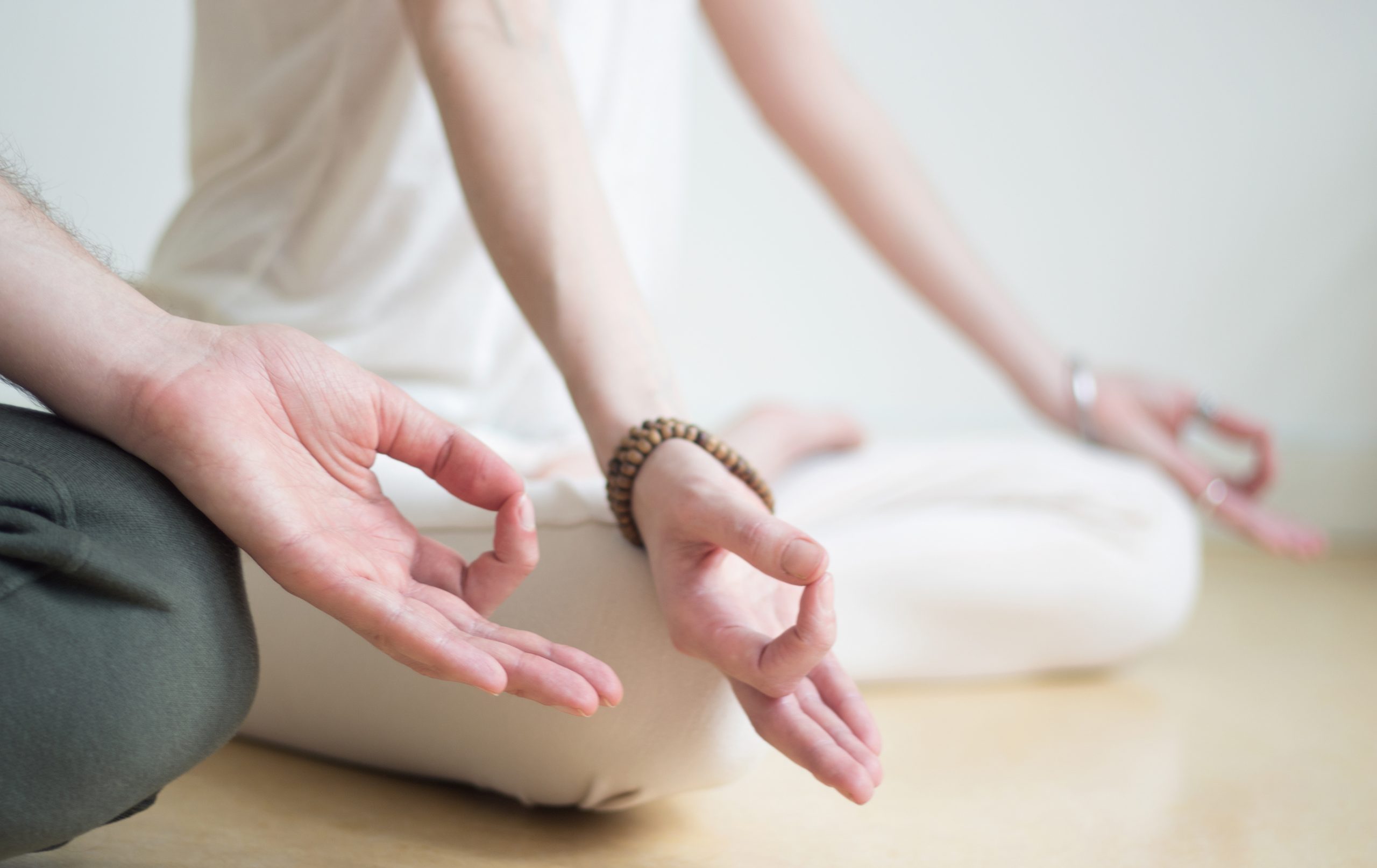
Yoga Mudras are symbolic hand gestures used in yoga practice, meditation, and spiritual rituals, aimed at directing energy flow within the body. These gestures help connect the practitioner to the inner self while enhancing concentration and facilitating the flow of prana, or life force. With their origins rooted in ancient Indian culture, Yoga Mudras serve as vital tools for achieving physical, mental, and spiritual benefits.
The essence of Yoga Mudras lies in their capacity to balance the energy flow in the body, aligning the mind and spirit for more effective yoga practice. For a comprehensive guide to specific Yoga Mudras, practitioners can dive deep into their advantages and techniques.
Historical Context
The practice of Yoga Mudras dates back thousands of years, deeply intertwined with Hindu and Buddhist traditions. Initially, these gestures were part of larger rituals and ceremonies, symbolizing specific deities and embodying spiritual teachings. Mudras are depicted in ancient sculptures and paintings, showcasing their significance in spiritual practice.
As yoga gained popularity worldwide, the focus on Yoga Mudras expanded beyond ceremonial use to more personal practice, enhancing meditation and yoga sessions. Today, they are seen as an integral part of holistic well-being, bridging Eastern spiritualism and modern wellness philosophies.
How Yoga Mudras Work
Yoga Mudras work on the principle that the fingers and hands have corresponding energy points. Each gesture is believed to channel various aspects of energy. The practice involves specific hand formations that influence the body’s energy flow, significantly affecting mental states and emotional balance. These hand positions can impact mood, physical health, and even mental clarity.
Additionally, engaging in Yoga Mudras activates various nerve endings in the hands, sending signals to the brain related to relaxation or focus. Practitioners often report enhanced mindfulness and clarity after engaging with different mudras, marking their effectiveness as essential elements of yoga practice.
Types of Yoga Mudras
Hasta Mudras (Hand Gestures)
Hasta Mudras, or hand gestures, are the most recognized type of Yoga Mudras. They usually involve specific finger placements and shapes that correspond to different energies and elements. Common Hasta Mudras include:
- Gyan Mudra: Often referenced as the wisdom gesture, it involves the thumb and index finger touching, promoting knowledge and calmness.
- Chin Mudra: Similar to Gyan Mudra, this gesture aids in enhancing focus and grounding energy.
- Apana Mudra: This gesture, formed by folding the middle and ring fingers towards the palm while extending the other fingers, is said to aid in detoxification and promote digestion.
- Shunya Mudra: By folding the middle finger towards the palm and pressing it with the thumb, this gesture is thought to reduce hearing problems and promote a sense of peace.
Other Mudra Categories
In addition to Hasta Mudras, other categories exist that are significant in yogic practices:
- Hasta Mudras: Focus specifically on hand and finger positions.
- Postural Mudras: Involve the overall body positioning, pairing with breathing exercises to amplify their effects.
- Wisdom Mudras: Purposely engage the brain's intuitive and cognitive abilities.
- Cultural Mudras: These gestures may reference specific cultural beliefs or practices, adding contextual depth to their use.
Incorporating Mudras into Yoga Practice
Integrating Yoga Mudras into regular practice can significantly amplify the benefits of yoga sessions. To incorporate mudras:
- Choose the Right Mudra: Identify the intention behind your practice—be it relaxation, focus, or energy balancing.
- Combine with Breath: Pairing mudras with specific breathing techniques enhances their effectiveness.
- Focus on Mindfulness: Maintain awareness throughout the practice, observing changes in energy and mindset.
Practitioners can find that simply holding mudras at different points in their yoga flow or meditation enhances their overall experience and connection to their inner self.
Benefits of Practicing Yoga Mudras
Mental Benefits
The advantages of Yoga Mudras extend beyond the physical as they profoundly benefit mental well-being. Regular practice may foster improved concentration, deeper meditative states, and heightened awareness.
By channeling energy efficiently through intentional gestures, practitioners often experience reduced anxiety levels and an overall sense of grounding. Engaging with specific mudras can also aid in harnessing mental clarity and focus, crucial for personal and professional tasks.
Emotional and Spiritual Impact
On an emotional level, Yoga Mudras can be transformative. Different gestures invoke feelings of peace, joy, and fulfillment while balancing emotional disturbances. For example, the Anahata Mudra, linked to the heart chakra, is particularly beneficial for those seeking to cultivate love and compassion.
Spiritually, the practice of mudras connects individuals to their higher self, aligning them with universal energy. Many practitioners report feeling a deep sense of inner peace and spiritual awakening through their mudra practices.
Physical Health Advantages
The physical benefits of Yoga Mudras cannot be overlooked. Engaging in these gestures can alleviate various ailments, improve posture, and enhance the functioning of different body systems. For instance, certain mudras are known to aid digestion and eliminate toxins, promoting overall health.
Beyond alleviating specific conditions, regular practice can also strengthen dexterity and hand function, potentially benefiting broader motor skills and physiological conditions.
How to Practice Yoga Mudras
Step-by-Step Guidance
To practice Yoga Mudras, follow these steps for a fulfilling experience:
- Find a Comfortable Position: Sit in a quiet place, either cross-legged or comfortably in a chair.
- Choose Your Mudra: Select a mudra based on your intentions.
- Engage in Breathing Practice: Close your eyes and begin deep, mindful breathing to prepare your mind and body.
- Hold the Mudra: Maintain the gesture, focusing on the sensations it brings for 5-15 minutes.
- Reflect: After practice, take moments to reflect on your experience and effects.
Choosing the Right Mudra
The key to effectively harnessing the power of Yoga Mudras is selecting the right one for your needs. Begin by contemplating your current emotional, mental, or physical state. Keep a journal to track which mudras resonate with you during different periods of your life.
Common mudras like Gyan Mudra promote wisdom and clarity, while Surya Mudra enhances vitality. Tailoring your practice to your specific needs can lead to the most success.
Integrating Mudras into Daily Life
Yoga Mudras can be practised beyond formal sessions. Integrating them into daily routines can boost their effects. For example, practice Gyan Mudra while studying or Apana Mudra while sitting at your desk. These small gestures throughout your day can enhance mental clarity and emotional stability.
Consider setting aside time in the morning or evening to engage with your chosen mudras, solidifying them as a regular part of your wellness practice.
Frequently Asked Questions about Yoga Mudras
What is the importance of Yoga Mudras?
Yoga Mudras are essential for enhancing energy flow, improving focus, and fostering emotional balance. They help connect practitioners with their inner self, enriching spiritual and physical practices.
How do different Mudras affect the body?
Each mudra corresponds to specific energy channels and may influence various organs and systems in the body. They can promote relaxation, enhance focus, and even aid digestion.
Can beginners practice Yoga Mudras?
Absolutely! Yoga Mudras are accessible to everyone. Beginners can start with basic gestures like Gyan Mudra to cultivate awareness and mindfulness.
How long should I hold a Mudra?
Holding a mudra for 5 to 15 minutes is generally recommended. Focus on your breath and the sensations that arise while practicing.
Are Mudras safe for everyone?
Yes, Yoga Mudras are generally safe for all individuals. However, those with specific medical conditions should consult a healthcare provider before starting any new practice.