Understanding Trade Schools in Hawaii
Definition and Purpose of Trade Schools
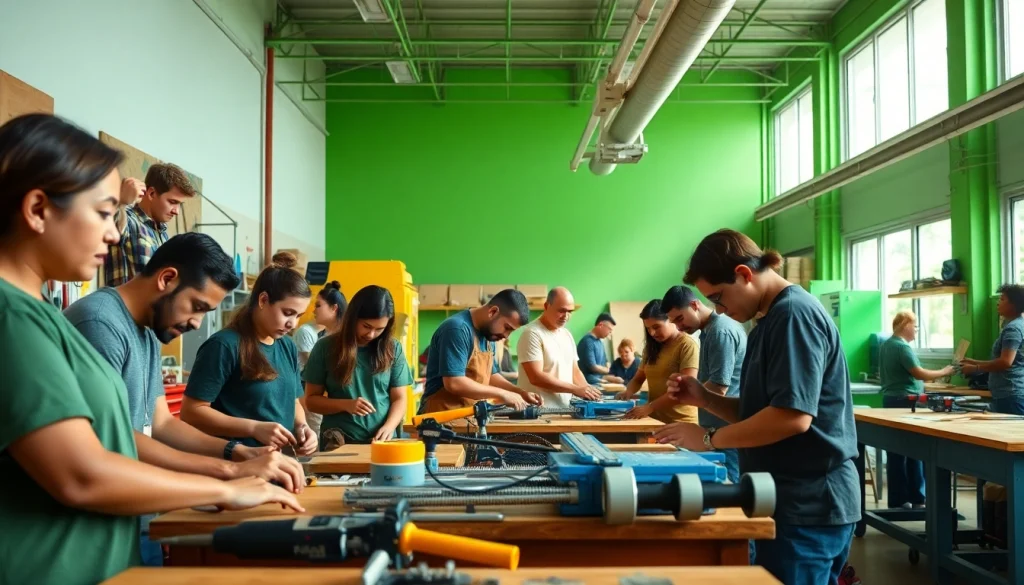
Trade schools, often referred to as vocational or technical schools, provide specialized education and training in specific fields. These institutions focus on imparting practical skills needed in various trades, preparing students for specific careers. Unlike traditional four-year colleges, trade schools emphasize hands-on learning, allowing students to gain real-world experience in their chosen profession. In Hawaii, as in other regions, trade schools play a crucial role in filling the skills gap in the workforce, benefitting both students seeking employment and employers searching for qualified candidates.
Benefits of Attending Trade Schools
Attending a trade school offers numerous benefits for aspiring professionals. One of the primary advantages is the shorter duration of programs, which typically range from a few months to two years, allowing students to enter the workforce more quickly than their peers in traditional college programs. Additionally, trade schools often boast lower tuition costs, enabling students to graduate with significantly less debt.
Furthermore, many trade schools maintain strong connections with local industries, providing students with opportunities for internships and job placements, thereby enhancing their employability. The focused curriculum helps students develop relevant skills directly aligned with market needs, ensuring they are well-prepared for their careers. By choosing trade schools in Hawaii, students can access tailored training that respects and incorporates local cultural elements.
Types of Programs Offered
Trade schools in Hawaii offer a wide variety of programs across different fields. Common areas of study include:
- Healthcare: Programs such as nursing, medical assisting, and pharmacy technician training.
- Skilled Trades: Fields like plumbing, electrical work, and carpentry.
- Culinary Arts: Training for chefs and cooks, focusing on both the culinary and business aspects of the food industry.
- Information Technology: Courses that cover network administration, cybersecurity, and software development.
- Automotive Technology: Programs that teach vehicle repair and maintenance skills.
These varied programs help meet the unique economic and employment landscape of Hawaii, where specialized skills are essential for local industries.
Top Trade Schools in Hawaii
Overview of Popular Institutions
Hawaii is home to several reputable trade schools, each with distinct offerings that cater to a range of career ambitions:
- Honolulu Community College: Known for its robust programs in construction trades, automotive technologies, and culinary arts.
- Hawaii Community College: Offers comprehensive training in health careers, including nursing and dental hygiene.
- Kauai Community College: Provides various vocational training options with a focus on sustainability and local needs.
- Leeward Community College: Features programs in the culinary arts, health sciences, and trades.
- Kapiolani Community College: Notable for its hospitality and culinary programs that emphasize Hawaii’s cultural heritage.
Unique Features of Each Trade School
Each institution has its unique strengths. For instance, Honolulu Community College is recognized for its state-of-the-art training facilities and strong partnerships with local industries, enhancing student job prospects. Meanwhile, Kapiolani Community College integrates Hawaiian culture into its culinary program, making it a standout choice for students looking to excel in local hospitality sectors. This focus on cultural relevance not only enriches the educational experience but also better prepares students for careers that value the rich heritage of the islands.
Student Success Stories
Many students have leveraged trade schools’ training into successful careers. For example, graduates from the culinary programs often find employment in top restaurants and resorts across Hawaii. Students entering the healthcare field report high job placement rates, reflecting the demand for their skills. Success stories abound, illustrating the transformative impact of vocational education on the lives of individuals seeking to improve their socioeconomic status.
Admission and Enrollment Process
Eligibility Criteria
Eligibility requirements for trade schools in Hawaii can vary widely depending on the institution and program. Generally, prospective students must have completed high school or possess an equivalent GED. Some specialized programs, such as those in healthcare, may have additional prerequisites, such as background checks or physical exams. Certain programs may also require placement tests to ensure students meet the necessary skill levels to succeed.
Application Steps
While the application process can differ from school to school, most trade schools in Hawaii follow a similar format:
- Submit an application form, often available online or in print.
- Provide transcripts from high school or previous educational institutions.
- Complete any required placement testing.
- Attend an interview or orientation session if applicable.
- Check on the status of your application, and complete any follow-up requirements, including financial aid applications.
Financial Aid Options
Financial resources are available to assist students in funding their education. Options include federal financial aid, state grants, scholarships, and work-study programs. Many trade schools actively help students navigate financial aid applications, ensuring they have access to whatever funding is necessary to pursue their education.
Career Opportunities after Trade Schools in Hawaii
In-Demand Skilled Trades
The job market in Hawaii reflects a growing demand for skilled tradespeople across various sectors. Industries such as construction, healthcare, and hospitality are particularly in need of qualified individuals. According to industry reports, skilled trades are among the fastest-growing employment areas, with opportunities for electricians, plumbers, and HVAC technicians expected to increase significantly in the coming years. Additionally, the hospitality sector continues to thrive, necessitating trained chefs and hospitality professionals capable of maintaining the high standards expected in Hawaii’s competitive tourism market.
Average Salary Expectations
Salary expectations for trade school graduates can vary widely depending on the field of study, experience level, and locale. For example, entry-level positions in healthcare can start at around $35,000 to $45,000 annually, while skilled trades such as electricians and plumbers can expect salaries ranging from $50,000 to $70,000 as they gain experience and certifications. Culinary professionals can also enjoy competitive salaries, especially those who gain employment in high-end establishments or start their own businesses.
Job Placement Resources
Many trade schools offer robust job placement services to support graduates in finding employment. These might include resume writing assistance, interview preparation workshops, and job fairs that connect students with hiring employers. Some institutions maintain partnerships with local businesses and unions that provide students with exclusive job opportunities, thereby enhancing their prospects of securing gainful employment post-graduation.
Challenges and Solutions for Trade Students
Common Barriers to Enrollment
While trade schools present many advantages, barriers to enrollment can still exist. Financial constraints, lack of awareness about available programs, and personal responsibilities such as full-time jobs or family care can deter potential students. To support prospective students, several schools provide workshops and counseling to help navigate these hurdles.
Support Services Available
Trade schools often offer a variety of support services to assist students throughout their education. Academic advisors help students plan their coursework, while counseling services provide support for personal challenges. Many institutions also offer tutoring programs for students who may need additional help managing their studies or developing specific skills. Additionally, networking events and mentorship programs can connect students with alumni and professionals in their fields, creating valuable opportunities for guidance and career advancement.
Staying Motivated Throughout the Program
Maintaining motivation during a trade program is critical to success. Setting clear, achievable goals can help students stay focused throughout their education. Engaging with peers and faculty can create a supportive environment, fostering relationships that encourage persistence. Regularly reviewing progress towards personal and professional goals can also serve as a motivating factor, reminding students of the opportunities that await them upon graduation.