Power Station vs. Generator: Which One Should You Choose?
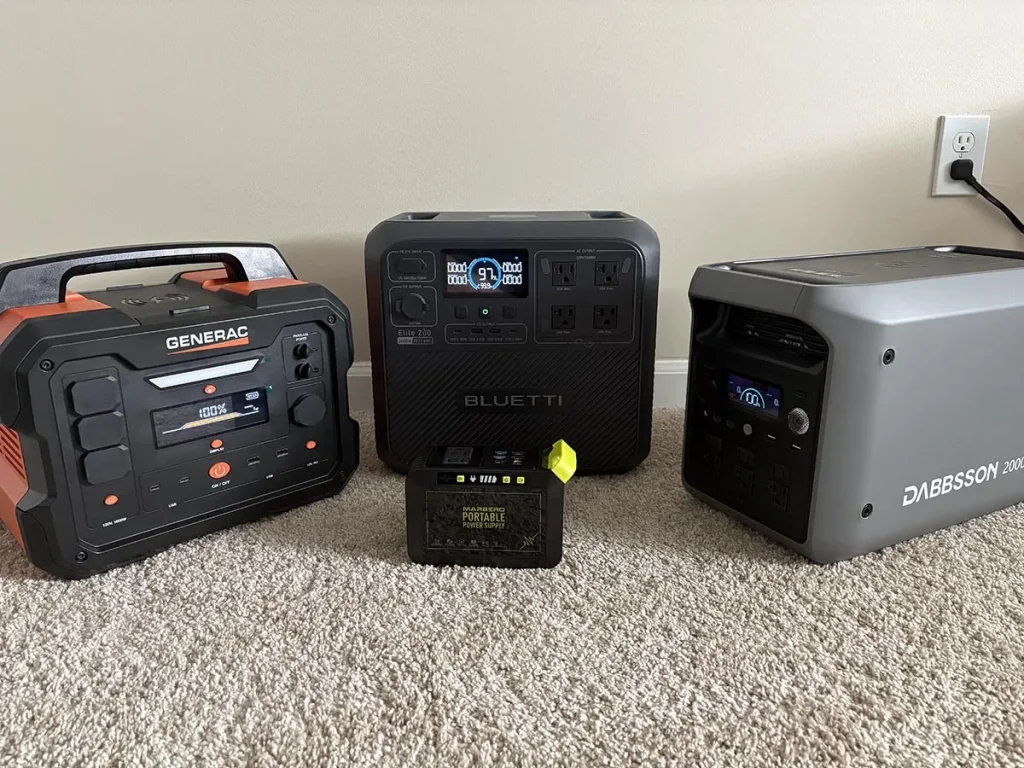
When it comes to ensuring a reliable power supply, many homeowners and businesses face a crucial decision: should they invest in a Power station or a traditional generator? Both options offer backup electricity, but their features, efficiency, and convenience vary significantly. In this article, we will explore the differences between a power station and a generator, helping you determine which one is the best fit for your needs.
Understanding Power Stations
A power station is a portable energy storage device designed to store electrical power and provide it when needed. Modern power stations use rechargeable batteries, making them environmentally friendly and quiet compared to fuel-based generators. They are ideal for powering small to medium devices, including smartphones, laptops, lights, and even some household appliances.
Unlike generators, a power station does not require fuel, reducing ongoing costs and the hassle of maintenance. They can be charged through standard electrical outlets, solar panels, or even car chargers, making them versatile for both home and outdoor use.
Key Features of a Power Station
The main benefits of choosing a power station include portability, quiet operation, and zero emissions. Power stations also come with multiple output ports, including AC, DC, and USB, allowing you to power a variety of devices simultaneously. Additionally, they are low-maintenance, as there are no moving parts like in a generator.
Understanding Generators
A generator is a device that converts mechanical energy into electrical energy using fuel sources such as gasoline, diesel, or propane. Generators are known for their ability to produce high power output, making them suitable for running heavy appliances and even entire homes during power outages.
Generators have been a reliable choice for decades, but they come with certain drawbacks. They can be noisy, require regular maintenance, and emit harmful gases. Furthermore, generators depend on fuel availability, which can be a limitation during emergencies or natural disasters.
Key Features of a Generator
Generators excel in delivering continuous power for extended periods. They are ideal for heavy-duty applications, such as powering refrigerators, air conditioners, and tools at construction sites. Generators are often more powerful than power stations, but their noise levels and emissions make them less convenient for indoor use or residential areas.
Power Station vs. Generator: Portability
Portability is one of the biggest differences between a power station and a generator. Power stations are lightweight and easy to carry, making them suitable for camping, outdoor events, and travel. Generators, on the other hand, are bulky, heavy, and often require wheels or additional equipment for transportation.
Power Station vs. Generator: Noise and Emissions
Noise and emissions are critical considerations, especially for home use. Power stations operate silently and produce zero emissions, making them eco-friendly and safe for indoor use. Generators are noisy and release carbon monoxide, which limits their use indoors and requires proper ventilation.
Power Station vs. Generator: Fuel and Maintenance
A power station requires no fuel and minimal maintenance, only occasional battery checks. Generators require regular fueling, oil changes, and mechanical maintenance. Fuel costs can also add up over time, making generators less cost-effective for frequent or long-term use.
Power Station vs. Generator: Power Output
Generators generally provide higher power output than power stations, making them suitable for running heavy appliances. However, advances in power station technology have increased their capacity, and some models can now handle high-wattage devices. It’s essential to assess your power needs before choosing between a power station and a generator.
Power Station vs. Generator: Cost Considerations
The upfront cost of a power station can be higher than a small generator, but the long-term expenses are lower due to no fuel requirements and minimal maintenance. Generators may have a lower initial cost, but fuel, maintenance, and noise mitigation add to the total cost over time.
Power Station vs. Generator: Environmental Impact
If sustainability is a priority, a power station is the clear winner. It uses rechargeable batteries and can be charged with solar energy, producing zero emissions. Generators rely on fossil fuels, contributing to pollution and greenhouse gas emissions. Choosing a power station is a greener alternative for environmentally conscious users.
Situations Where a Power Station is Ideal
Power stations are perfect for small homes, outdoor adventures, and emergency backup for essential devices. They are suitable for camping, RV trips, and powering electronics during short-term outages. Their quiet operation and portability make them versatile for a variety of scenarios.
Situations Where a Generator is Ideal
Generators are better suited for construction sites, large homes, and situations that require continuous, high-power output. They are reliable during extended outages or in locations where fuel is readily available. Generators are also ideal for industrial and commercial applications.
Choosing Between a Power Station and a Generator
When deciding between a power station and a generator, consider the following factors:
- Power requirements: Assess what devices or appliances you need to power.
- Portability needs: Determine whether you require mobility or stationary power.
- Noise and emissions: Consider whether quiet operation and low emissions are important.
- Budget and maintenance: Compare initial costs and long-term expenses.
- Environmental impact: Decide how important eco-friendly energy is for your choice.
Conclusion
Choosing between a power station and a generator depends on your specific needs. Power stations offer portability, quiet operation, low maintenance, and eco-friendliness, making them ideal for modern homes, outdoor activities, and emergency backup. Generators provide high power output and reliability for heavy-duty applications, though they come with noise, fuel, and maintenance requirements. By evaluating your power needs, budget, and environmental concerns, you can make an informed decision and ensure you have the right backup energy solution for any situation.