The Fundamentals of Intelligent Video Analytics
What is Intelligent Video Analytics?
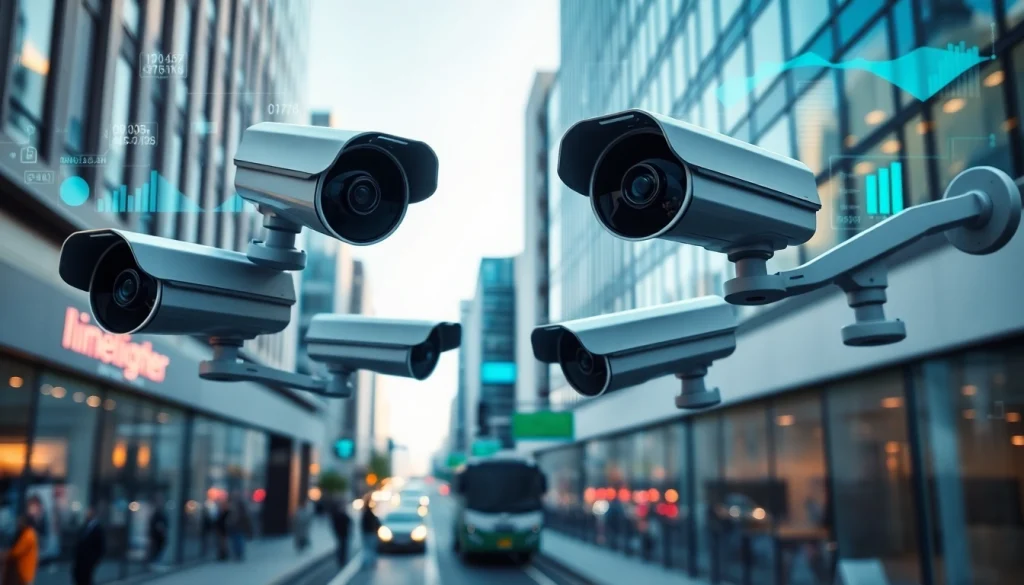
Intelligent Video Analytics (IVA) refers to the cutting-edge application of artificial intelligence and computer vision to analyze video data in real-time. This technology enables systems to automatically interpret visual information, offering insights that were previously unattainable with traditional surveillance methods. By utilizing sophisticated algorithms and machine learning techniques, intelligent video analytics transforms vast amounts of video data into actionable insights.
Key Technologies Behind Intelligent Video Analytics
The backbone of intelligent video analytics comprises several key technologies that work synergistically to enhance video processing capabilities:
- Computer Vision: This subset of artificial intelligence enables machines to interpret and understand the visual world. Computer vision is crucial for analyzing video feeds, identifying objects, and recognizing patterns.
- Machine Learning: Through algorithms that improve automatically through experience, machine learning allows video analysis systems to adapt and enhance their responsiveness over time.
- Deep Learning: A complex form of machine learning, deep learning utilizes neural networks with many layers to analyze data. This technology is essential for recognizing complex patterns and details within video footage.
- Real-Time Processing: Unlike traditional video surveillance, intelligent systems process data in real time, allowing for immediate action and analysis as events unfold.
Applications of Intelligent Video Analytics Across Industries
Intelligent video analytics systems are being implemented across various industries, showcasing their versatility and effectiveness:
- Security and Surveillance: These systems enhance security measures by detecting unauthorized access, monitoring crowd behavior, and generating alerts for suspicious activities.
- Retail: Business owners can analyze customer behavior, optimize store layouts, and improve inventory management through insights garnered from video analytics.
- Transportation: Intelligent systems can monitor traffic patterns, detect accidents, and enhance public safety in transportation hubs.
- Healthcare: Video analytics can improve patient monitoring, optimize staff workflows, and ensure compliance within healthcare settings.
- Manufacturing: In industrial settings, intelligent video analytics can track production lines for quality control, analyze machinery performance, and ensure worker safety.
Benefits of Implementing Intelligent Video Analytics
Enhanced Security Measures
The implementation of intelligent video analytics significantly strengthens security measures. By employing automated surveillance systems, organizations can detect potential threats in real-time, ensuring a rapid response to incidents. This capability not only minimizes losses but also enhances overall safety.
Data-Driven Decision Making
Organizations can leverage the insights gained from intelligent video analytics to make data-driven decisions. The ability to identify trends and patterns aids in strategic planning, resource allocation, and operational efficiency, which ultimately leads to improved business outcomes.
Cost Efficiency in Surveillance
With the automation of surveillance processes and the reduction of manpower needs, intelligent video analytics offers significant cost savings. Additionally, the ability to predict potential issues and address them proactively helps reduce overall operational costs.
Challenges in Intelligent Video Analytics Deployment
Data Privacy and Ethical Considerations
One of the primary challenges associated with intelligent video analytics is data privacy. As these systems capture sensitive information, it is essential for organizations to implement robust data protection measures and adhere to legal regulations to maintain user trust.
Integration with Existing Systems
The integration of intelligent video analytics with existing security systems can pose a challenge. Companies may face compatibility issues, necessitating investment in infrastructure upgrades or entirely new systems. Effective planning and collaboration with technology providers can streamline this process.
Common Misconceptions about Intelligent Video Analytics
There are several misconceptions surrounding intelligent video analytics, including the belief that it is purely a surveillance tool rather than a comprehensive analytics platform. Understanding the full capabilities of these systems is key to successfully leveraging their functionality across various business operations.
Best Practices for Optimizing Intelligent Video Analytics
Choosing the Right Software and Hardware
Selecting the appropriate software and hardware is critical for the successful implementation of intelligent video analytics. Careful evaluation of system requirements, compatibility, and future scalability will ensure that organizations can fully capitalize on the technology’s potential.
Training Staff for Effective Use
To maximize the benefits of intelligent video analytics, organizations must invest in training staff effectively. Ensuring that employees understand how to interpret the data and act on the insights derived from the system is essential for operational success.
Monitoring and Maintenance Strategies
Regular monitoring and maintenance are crucial for the continued efficacy of intelligent video analytics systems. By conducting routine updates and checks, organizations can ensure that the technology functions optimally and addresses any issues proactively.
The Future of Intelligent Video Analytics
Trends in Intelligent Video Analytics Development
The field of intelligent video analytics is rapidly evolving, with emerging trends such as improved algorithm efficiency, integration of augmented reality, and advancements in edge computing. These developments promise to enhance the operational capabilities of video analytics systems and broaden their applications.
The Role of Artificial Intelligence in Intelligent Video Analytics
Artificial intelligence will continue to play a pivotal role in shaping the future of intelligent video analytics. Continuous advances in AI will lead to more sophisticated analytical capabilities, enabling systems to detect subtler patterns and anomalies.
Potential Future Applications and Innovations
Looking ahead, the applications of intelligent video analytics are expected to expand dramatically. Potential innovations include real-time data sharing among interconnected devices, enhanced behavioral recognition, and predictive analytics that can forecast future incidents based on historical data.
Frequently Asked Questions (FAQs)
What is the purpose of intelligent video analytics?
Intelligent video analytics processes video data in real-time to detect, analyze, and recognize patterns, enhancing security and operational insights across various industries.
How does intelligent video analytics improve security?
By employing automated surveillance systems, intelligent video analytics can detect potential threats in real time, ensuring a rapid response and enhancing security protocols.
What industries benefit from intelligent video analytics?
Industries including security, retail, healthcare, transportation, and manufacturing can all leverage intelligent video analytics to enhance safety, optimize operations, and drive data-driven decisions.
Are there privacy concerns with intelligent video analytics?
Yes, privacy issues are a significant concern. Organizations need to ensure robust data protection measures comply with legal regulations while using intelligent video analytics.
What should organizations consider before implementing intelligent video analytics?
Organizations should evaluate their existing infrastructure, choose compatible systems, invest in employee training, and develop a clear strategy for monitoring and maintaining the technology.