Understanding Cape Cod Home Style
What Defines a Cape Cod Home?
The cape cod home is a timeless architectural style that embodies the essence of New England charm. Characterized by its steeply pitched roofs and dormer windows, this style exudes warmth and comfort. Originally designed to withstand the harsh Atlantic weather, Cape Cod homes prioritize practicality while offering aesthetic appeal. As modern interpretations emerge, the core principles of simplicity and function remain influential in today’s designs.
Historical Influences on Cape Cod Architecture
Emerging in the 17th century, Cape Cod architecture found its roots among early settlers who built homes inspired by English cottages and vernacular designs. The style gained popularity because of its resilience against coastal conditions, with structures often made of wood to resist decay. The historical context drives the deep connection many feel with Cape Cod homes, as they embody stories of perseverance against nature. Over the centuries, this architectural style has evolved, incorporating modern elements while maintaining its foundational characteristics.
Key Characteristics of Cape Cod Homes
Identifiable by their low, symmetrical profile and central chimney, Cape Cod homes often feature one or one-and-a-half stories, ensuring optimal heating in winter months. The facades are commonly shingled in wood, painted in muted colors to harmonize with the surrounding landscape. Dormers create additional space in the attic, maximizing natural light and ventilation. These homes also typically have a straightforward floor plan—generally an open layout that invites communal living and connection among its occupants.
Designing Your Cape Cod Home
Choosing the Right Layout for Your Cape Cod Home
The layout of a Cape Cod home is crucial for maximizing convenience and comfort. Many homeowners opt for an open floor plan that seamlessly connects the kitchen, dining, and living areas, fostering family interaction. Utilizing versatile spaces, like a loft or a finished basement, can provide additional functionality. Consideration of both functionality and flow will ensure that the layout suits daily life while also encouraging warmth and togetherness.
Incorporating Modern Amenities
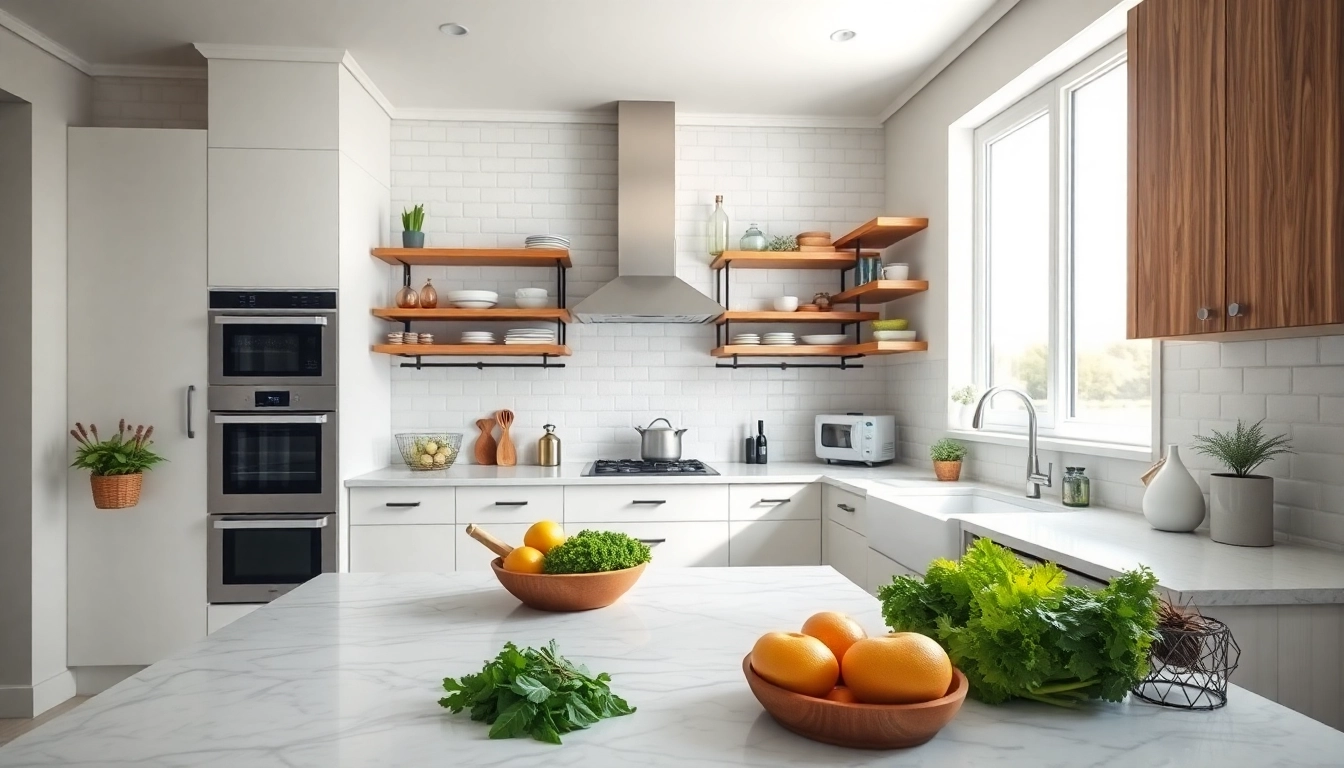
While the traditional Cape Cod aesthetic is appealing, incorporating modern amenities can enhance the functionality and comfort of your home. Consider high-efficiency appliances, smart home technology, and energy-efficient windows that not only save money but also reduce the carbon footprint. Balancing modern conveniences with classic designs creates a living space that meets today’s needs while retaining a nostalgic charm.
Outdoor Spaces and Landscaping Ideas
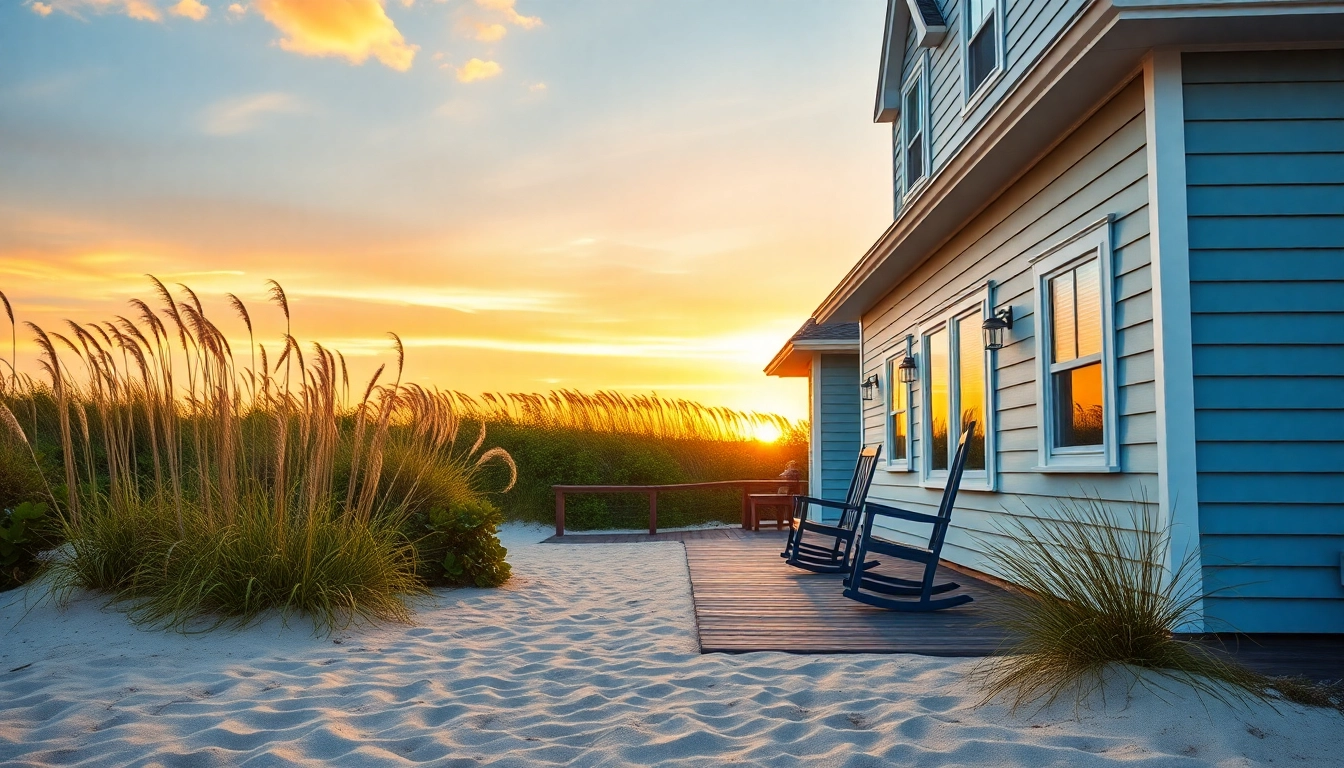
Outdoor areas around a Cape Cod home can be just as inviting as the interior. Creating a cohesive landscape design that integrates with the home’s architecture is essential. Consider using native plants, which thrive in local climates and require less maintenance. Outdoor living spaces such as patios or decks can extend your entertaining space, while carefully placed gardens can add character and beauty to your yard, promoting outdoor enjoyment year-round.
Color Schemes and Finishes
Best Color Combinations for Cape Cod Homes
Color choice significantly impacts the visual appeal of a Cape Cod home. Traditionally, soft neutrals accentuate the natural beauty of wood, while shades of blue and green evoke the coastal environment. These colors often complement Cape Cod’s architecture beautifully. Homeowners can enhance curb appeal by selecting complementary hues for doors, shutters, and roofs that provide a striking contrast without overshadowing the home’s natural charm.
Interior and Exterior Finishes
Choosing the right finishes can elevate the appeal of both the interior and exterior of your Cape Cod home. Interior finishes should reflect simplicity and warmth, avoiding overly ornate decorations. For exteriors, wood siding and shingling are popular options, while metal roofs can add modern elegance with long-lasting benefits. Pay attention to detail in selecting trim and moldings to ensure that every element contributes to the overall aesthetics of the home.
Creating Cohesion Through Color
Establishing color cohesion throughout your Cape Cod home is essential for an inviting atmosphere. This can be achieved by using a consistent color palette that flows from the exterior to the interior. Accents such as fabric choices, decorative elements, and artwork should complement the main colors, making each space feel connected. A well-planned color scheme can transform a house into a cohesive home, enhancing its overall personality and appeal.
Building Considerations for Your Cape Cod Home
Finding the Right Location
Choosing a location for your Cape Cod home involves considering factors such as access to amenities, nature, and overall atmosphere. A waterfront location may offer stunning views but consider the implications for insurance and maintenance due to erosion and potential storms. Alternatively, a lot further inland may provide stability and greenery. Whichever location you choose, ensure that it aligns with your lifestyle and values.
Understanding Local Building Regulations
Before breaking ground on your Cape Cod home, familiarize yourself with local building regulations, zoning laws, and permits required for construction. Each municipality has its own set of guidelines, including setbacks, height restrictions, and aesthetic guidelines that pertain to the Cape Cod style. Working closely with local architects or builders can help you navigate these regulations and ensure your dream home complies with all necessary standards.
Choosing Sustainable Materials and Practices
Sustainability should be a primary focus when building a Cape Cod home, as it ensures environmental responsibility while reducing long-term costs. Opt for eco-friendly materials like reclaimed wood, energy-efficient windows, and sustainable insulation options. Incorporating renewable energy sources such as solar panels can significantly lower utility bills, contributing to a more sustainable footprint and making your home an innovative example of modern living.
FAQs About Cape Cod Homes
What is the average cost of building a cape cod home?
The average cost to build a Cape Cod home ranges from $200 to $400 per square foot, depending on materials, design choices, and location. Custom features can increase this price, so budgeting is essential.
Can I customize my cape cod home’s design?
Yes! Customizing your Cape Cod home’s design is possible by working with architects or designers. Personalization can include layout adjustments and unique finishes that reflect your style.
What features make a cape cod home energy-efficient?
Energy-efficient features of a Cape Cod home include high-quality insulation, energy-efficient windows, and modern heating systems. Incorporating solar panels also enhances efficiency and reduces energy bills.
How long does it take to build a cape cod home?
Building a Cape Cod home typically takes 6 to 12 months, depending on design complexity, weather conditions, and local construction schedules. Good planning can streamline the process.
What maintenance is needed for cape cod homes?
Maintenance for Cape Cod homes involves regular inspections for wear on roofing and siding, painting or staining wood surfaces, and caring for landscaping. Seasonal upkeep is vital for longevity.