Introduction to the Goechala Trek
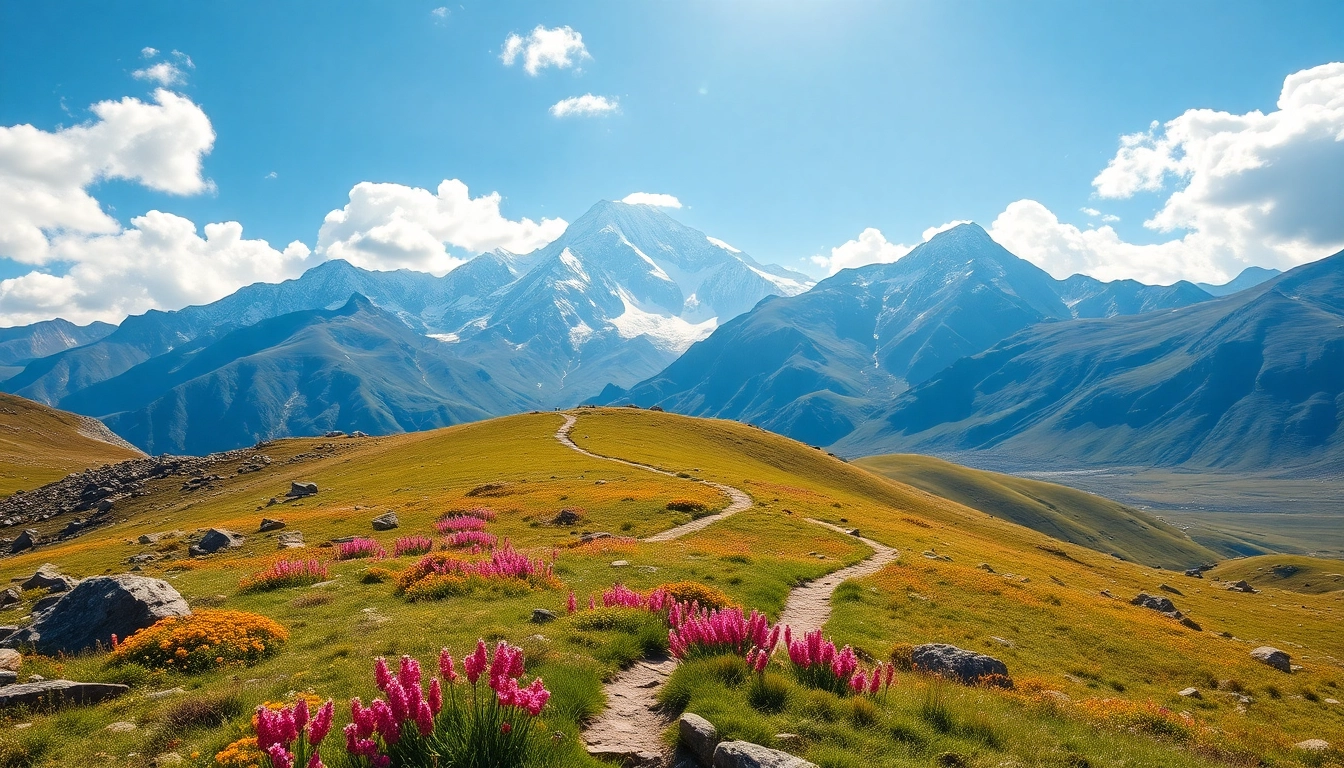
The goechala trek is regarded as one of the most breathtaking trekking experiences in India, situated amidst the majestic Himalayas in Sikkim. This trek not only offers challenging trails but also provides an up-close perspective of the magnificent Kanchenjunga, the third-highest mountain in the world. Adventurers from around the globe are drawn here for the chance to witness stunning landscapes, vibrant flora, and the rich cultural tapestry of the local communities.
Overview of the Trek
The Goechala trek spans approximately 90 kilometers and generally takes between 10 to 12 days to complete. This trek is not just about the destination; it is a journey through a variety of terrains, including dense forests, beautiful meadows, and stark high-altitude environments. Trekking enthusiasts often describe the views from the Goechala pass at an altitude of 4,940 meters as nothing short of spectacular, making every step worthwhile.
Starting Point and Accessibility
The starting point for the Goechala trek is Yuksom, a quaint village that serves as the gateway to the eastern Himalayas. Yuksom is accessible by road from various major cities, making it a convenient launchpad for trekkers. Travelers typically arrive in Yuksom from Siliguri, which is the nearest major city and has good connections by bus and taxi routes. The journey from Siliguri to Yuksom takes around 6 to 7 hours. Along the way, trekkers are treated to the beautiful landscapes of Sikkim, setting the tone for the adventures that lie ahead.
Key Attractions Along the Route
The route to Goechala is dotted with numerous attractions that enhance the trekking experience:
- Kangchenjunga Views: The grand vistas of Kangchenjunga are perhaps the most salient feature of this trek. The opportunity to witness this legendary peak in different light and from various angles is a significant allure.
- Dzongri Top: A popular campsite that provides panoramic views of the mountains, Dzongri is also an excellent acclimatization stop. The clear skies here are perfect for stargazing.
- Thansing: A picturesque meadow where trekkers can camp and enjoy the serene surroundings, Thansing is known for its tranquil environment and vibrant blooming rhododendrons.
- Lamuney: This less-trodden area is a pristine location where trekkers can immerse themselves in nature and enjoy the serene views of surrounding peaks.
Preparation for the Goechala Trek
Proper preparation is crucial for a successful and enjoyable trekking experience. With the challenges posed by altitude, terrain, and weather conditions, it’s essential to be ready both physically and mentally.
Physical Fitness Requirements
The Goechala trek is classified as a difficult trek, requiring a high level of physical fitness and stamina. Prospective trekkers should engage in regular physical activities such as hiking, running, and strength training for several weeks leading up to the trek. Exercises that enhance endurance, such as cycling or swimming, should also be incorporated into the training regimen. Aim to participate in activities that mimic the demands of uphill trekking to prepare your body for the journey ahead.
Essential Gear and Supplies
Packing the right gear is equally important as physical preparation. Essential items include:
- Backpack: A sturdy and comfortable backpack is vital for carrying your gear.
- Footwear: High-quality, broken-in trekking boots are essential for navigating rocky paths and keeping your feet comfortable.
- Clothing: Layered clothing, including moisture-wicking base layers, insulating mid-layers, and waterproof outer layers, is recommended to adapt to changing weather conditions.
- Sleeping Bag: A warm sleeping bag rated for cold temperatures is critical, especially for nights at higher altitudes.
- First Aid Kit: Include essential items for treating minor injuries, altitude sickness medication, and any personal medication.
Understanding the Weather Conditions
The weather in Sikkim can be unpredictable, with conditions varying dramatically between elevations. Trekkers should be prepared for rain, snow, and extreme temperatures. The best time to embark on the Goechala trek is during the pre-monsoon season (March to May) and post-monsoon season (September to November), when the weather is generally pleasant and conducive for trekking.
Itinerary for the Goechala Trek
Planning a structured itinerary helps trekkers manage time efficiently while maximizing the experience. The following breakdown outlines a typical itinerary for the Goechala trek:
Day-by-Day Breakdown
The trek is commonly divided into several stages, each with its unique features and challenges. Here’s a typical day-by-day plan:
- Day 1: Arrive in Yuksom and acclimatize to the altitude.
- Day 2: Trek from Yuksom to Sachen (10 km)—a scenic trail through lush forests.
- Day 3: Continue to Tshoka (7 km) and enjoy views of the surrounding mountains.
- Day 4: Trek to Dzongri (10 km), an acclimatization day with a hike to Dzongri Top.
- Day 5: Hiking from Dzongri to Thansing, soaking in the natural beauty (9 km).
- Day 6: Trek to Lamuney (4 km) and prepare for the ascent to Goechala.
- Day 7: Early morning hike to Goechala Pass, return back to Lamuney.
- Day 8: Head back to Thansing, enjoying the trail’s beauty from a different perspective.
- Day 9: Return trek to Tshoka (13 km), taking the same scenic route back.
- Day 10: Trek back to Yuksom, concluding the trek.
Estimated Distances and Elevations
Through the journey, trekkers will face varying elevation levels, starting from Yuksom at around 1,780 meters and reaching Goechala at about 4,940 meters. The fluctuating altitudes can lead to altitude sickness; thus, acclimatization days are critical to adjusting to higher elevations without undue stress on the body.
Safety Tips and Local Guidelines
When embarking on the Goechala trek, safety should be a foremost concern:
- Stay Hydrated: Regularly drink water to remain hydrated at higher altitudes.
- Acclimatization: Don’t rush through climbing—take the necessary time to adequately adapt.
- Local Guidance: Hiring a local guide familiar with the terrain can greatly enhance safety and ensure a richer experience.
Challenges Faced on the Goechala Trek
Though it is an exhilarating journey, the Goechala trek comes with its set of challenges that trekkers must navigate adeptly.
Physical and Mental Preparation
The arduous nature of the trek can pose significant physical and mental challenges. Trekkers must cultivate a mindset of resilience and adaptability while being physically well-prepared. Mental strength is equally important in overcoming fatigue and discomfort experienced on the trail.
Navigating Difficult Terrain
The path to Goechala includes steep ascents, rocky descents, and sometimes slippery surfaces, especially during rain or after snowfall. It is crucial for trekkers to focus on their footing and balance to prevent falls and injuries. Adequate footwear and concentration can significantly mitigate these risks.
Dealing with Altitude Sickness
Altitude sickness can affect any trekker, regardless of physical fitness levels. Symptoms may include headaches, nausea, and dizziness. To minimize risks, make sure to ascend gradually, acclimatize adequately, and understand your body’s signals. If symptoms worsen, descending to lower altitudes is vital.
FAQs About the Goechala Trek
How difficult is the Goechala trek?
The goechala trek is known for its difficulty, requiring good fitness due to its high altitude and rugged terrain. Regular hiking practice before your trek is beneficial.
How much does the Goechala trek cost per person?
The estimated cost for the goechala trek varies; on average, budget around ₹15,000 to ₹20,000, including permits, food, and guide services.
What is the best time to visit for the Goechala trek?
The best time for the goechala trek is during spring (March-May) and autumn (September-November) when weather conditions are typically more favorable and clearer.
How do I prepare for the Goechala trek?
Physical conditioning and training are crucial for the goechala trek. Engaging in cardiovascular exercises and strength training beforehand will help build stamina.
What essential items should I bring on the Goechala trek?
Essentials for the goechala trek include sturdy hiking boots, appropriate clothing layers, a sleeping bag, a first-aid kit, water purification tablets, and trekking poles for support.