
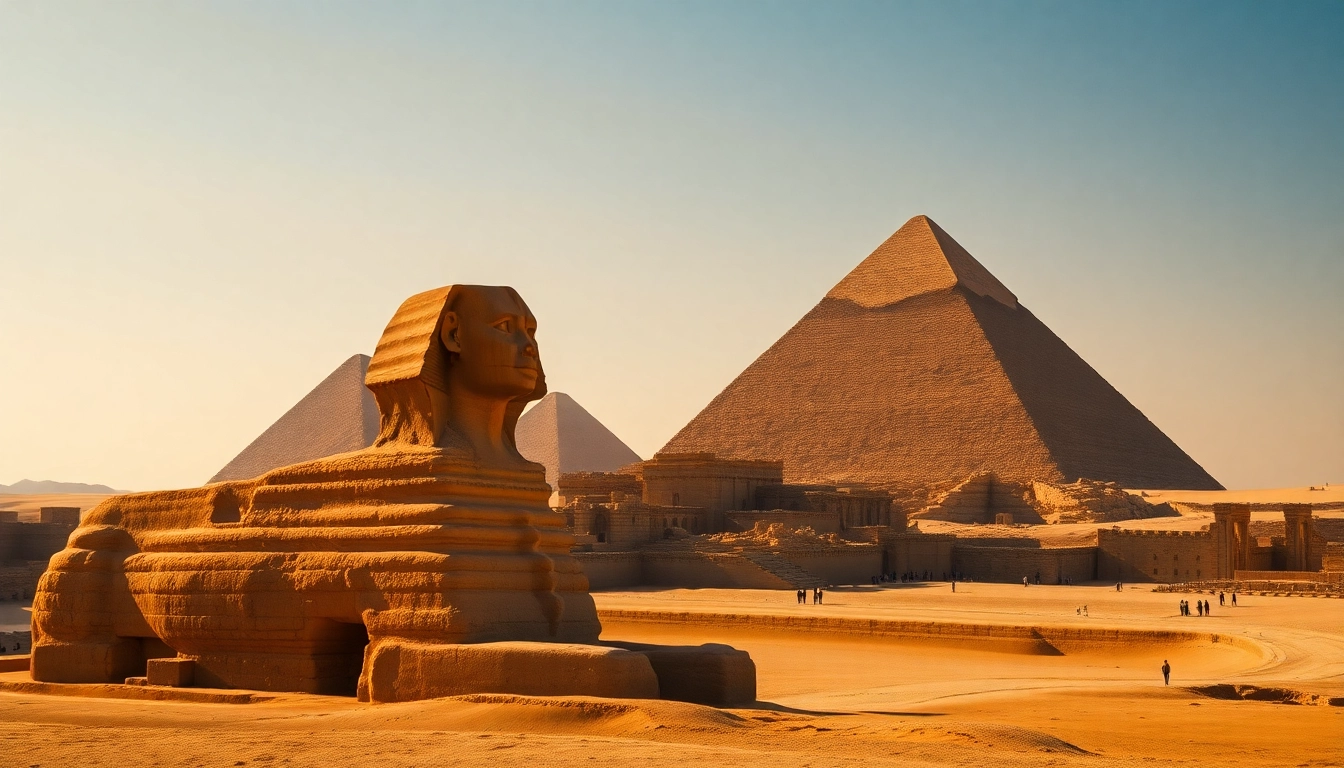
Introduction to the Egyptian Pyramids
The Egyptian pyramids remain one of the most iconic symbols of ancient civilization, captivating millions with their grandeur and mystery. These monumental structures were primarily built as tombs for the pharaohs, encapsulating a rich tapestry of history, culture, and belief that played a pivotal role in the evolving landscape of Ancient Egypt. If you’re intrigued by these historical giants, you can explore more about them at https://piraminds.com/.
Historical Context of the Egyptian Pyramids
The construction of the Egyptian pyramids began during the Old Kingdom period, around 2700 B.C., and continued into the Middle Kingdom, with notable advancements in architectural techniques and symbolic representation. The most well-known pyramids are situated on the Giza plateau, constructed as tombs for the pharaohs of the Fourth Dynasty, including the Great Pyramid built for Pharaoh Khufu. These monumental structures reflect advancements in engineering, organization of labor, and the socio-political dynamics of the time.
Significance of Pyramid Structures
Pyramids were more than mere burial sites; they served as a conduit for the deceased to ascend to the afterlife. The shape of the pyramids, which taper towards the sky, symbolized a ray of light connecting the earth to the heavens, implying the pharaoh’s divine status. This architectural form was also symbolic of resurrection, demonstrating the Egyptian belief in life after death. Moreover, the pyramids housed elaborate burial chambers filled with valuables to assist the pharaoh in the afterlife, making them focal points of worship and reverence.
Overview of Pyramid Locations
The most famous pyramids are located in and around Cairo, Egypt, particularly on the Giza plateau. The three main pyramids—Khufu, Khafre, and Menkaure—are accompanied by numerous smaller pyramids, known as “queen’s pyramids,” and other structures such as temples and mortuary complexes. In addition to Giza, other significant pyramid sites are found in Dahshur and Saqqara, each showcasing different architectural styles and construction techniques throughout Egypt’s history.
Architectural Marvels of the Pyramids
The Egyptian pyramids are notable for their unique architectural features, demonstrating the ingenuity and sophistication of ancient Egyptian engineering. From their construction techniques to the materials used, these monuments provide invaluable insights into the capabilities and resources of ancient civilizations.
Construction Techniques Used in the Pyramids
The construction of the pyramids involved sophisticated engineering methods that involved planning, organization, and the immense labor force. One well-known technique was the use of large stone blocks quarried from nearby sites, which were transported via sledges and possibly lubricated with water to ease movement across the desert sands. Recent discoveries suggest that ramps, both straight and circular, could have been employed to elevate stones to build the structures layer by layer. The precision with which these stones were placed remains astonishing to this day.
Materials Used in Pyramid Construction
The primary materials for construction included limestone, granite, and basalt. The core of the pyramids was usually made of local limestone, which was then covered with a casing of Tura limestone that created a smooth surface reflecting the sun’s light. For the interior chambers, harder materials like granite were often used, sourced from quarries further away, demonstrating the extensive trade and resource management strategies of the ancient Egyptians.
Design Features of Egyptian Pyramids
Each pyramid was part of a complex that included a mortuary temple, smaller pyramids for queens, and ceremonial paths that connected these structures. The pyramids also featured an array of chambers designed for various ceremonial purposes. The King’s Chamber and the Grand Gallery in the Great Pyramid highlight the incredible engineering skills that enabled architects to create large, open spaces in solid stone, showcasing the intersection of art and utility. The orientation of the pyramids was meticulously planned, often aligned with celestial bodies, reinforcing their spiritual significance.
Cultural Impact and Symbolism
The cultural impact of the pyramids extends beyond their construction; they encapsulate the spiritual, religious, and socio-political narratives of ancient Egypt. Their symbolism is deeply interwoven with the Egyptian worldview, representing not only royal power but also the collective efforts of society to honor the dead.
Religious Significance of Pyramids
Pyramids served as significant religious sites, embodying the Egyptian belief in the afterlife. The pharaohs were seen as intermediaries between the gods and the people, and their elaborate tombs reflected their status. Pharaohs were often buried with treasures, food, and items believed necessary for their journey in the afterlife, emphasizing the belief in resurrection and eternity. Sacred texts inscribed within the tombs were intended to guide and protect the deceased in their journey, highlighting the intertwining of religion and daily life in ancient Egypt.
Pyramids in Egyptian Mythology
The pyramids are frequently referenced in ancient Egyptian mythology, often linked to the sun god Ra and the concept of rebirth. Myths surrounding Osiris, the god of the afterlife, further cemented the importance of these structures as gateways to another realm. Various rituals and ceremonies centered around the pyramids reinforced their roles as key places for worship and reflection on life and death, making them central to the cultural identity of ancient Egyptians.
Modern Interpretations of Pyramid Culture
In contemporary times, the pyramids have inspired countless interpretations and have sparked debates on their construction techniques, purpose, and symbolic meanings. From architectural admiration to conspiracy theories, the fascination with pyramids continues to evolve. They are frequently featured in films, literature, and academic studies as symbols of innovation and mystery, representing the aspirations of human achievement and the quest for eternal life.
Visiting the Egyptian Pyramids
The Egyptian pyramids attract millions of tourists each year, eager to witness these historical marvels firsthand. Visiting the pyramids involves not just seeing the structures, but experiencing the rich history and culture surrounding them.
Tourist Information for Visiting the Pyramids
Visitors can access the pyramids through various tours which often include guided services. The Pyramids of Giza, including the Great Pyramid, are open to the public, along with the Sphinx, adding to the experience. Tourists are advised to book tours in advance, especially during peak seasons, to ensure access to various parts of the site and learn from knowledgeable guides about the expansive history behind these structures.
Best Times to Visit the Pyramids
The ideal times to visit the pyramids are during the cooler months, specifically between October and April. During these months, visitors can enjoy moderate temperatures, making the experience more pleasant as they explore the vast desert landscape. Early morning or late afternoon visits also provide beautiful lighting for photography, enhancing the magical experience of standing among these ancient giants.
Activities and Attractions Around the Pyramids
In addition to exploring the pyramids, visitors can partake in various activities such as camel rides, exploring nearby museums, or visiting the ancient necropolis of Saqqara. The area also hosts several dining options with stunning views of the pyramids during sunset. Cultural shows and sound and light presentations at night provide a different perspective of the pyramids, further engaging visitors with their history and grandeur.
Conclusion and Future of Pyramid Research
The Egyptian pyramids continue to be a subject of fascination and research among historians, archaeologists, and visitors. Ongoing studies aim to uncover new insights about their construction, purpose, and the ancient Egyptian civilization as a whole.
Ongoing Discoveries at the Egyptian Pyramids
Recent archaeological findings, including hidden chambers and new excavation techniques, have shed light on several aspects of pyramid construction and usage. Discoveries such as the recent uncovering of a void in the Great Pyramid illustrate the continuing potential for groundbreaking research in this field. The integration of technology, especially non-invasive imaging techniques, allows researchers to explore previously inaccessible areas, potentially revealing more about how the ancient Egyptians built these monumental structures.
Conservation Efforts for Pyramid Preservation
Preserving the pyramids involves balancing tourist access with the need to protect these ancient structures from erosion and damage. Conservation initiatives include regulated visitor access, ongoing restorations, and education efforts about the importance of these sites. Collaborations between governments, local organizations, and international bodies aim to implement sustainable tourism practices that can help protect the pyramids while still inviting visitors to experience their grandeur.
Insights into Future Research Directions
The future of pyramid research looks promising, with technologies like 3D scanning, drone surveying, and artificial intelligence offering new avenues for exploration. Enhanced methodologies will likely unravel more detailed narratives about how the ancient Egyptians lived and interacted with their environment, propelling forward our understanding of these awe-inspiring structures and the civilization that built them.
Frequently Asked Questions
1. What was the purpose of the Egyptian pyramids?
The primary purpose of the Egyptian pyramids was to serve as tombs for pharaohs, symbolizing their divine status and facilitating their journey to the afterlife.
2. How long did it take to build the pyramids?
The construction time varied by pyramid, typically taking 10 to 20 years, depending on resources, workforce, and size.
3. How were the stones transported to the pyramid sites?
Stones were likely transported using sledges across lubricated surfaces to ease movement across the desert.
4. Are there still undiscovered chambers in the pyramids?
Yes, recent scans and studies suggest there may be hidden chambers within the pyramids yet to be explored.
5. Can tourists access the interior of the pyramids?
Yes, visitors can access certain parts of the pyramids, particularly the Great Pyramid, but access may be limited due to preservation efforts.