Understanding the Modern Steel Mill
Definition and Overview
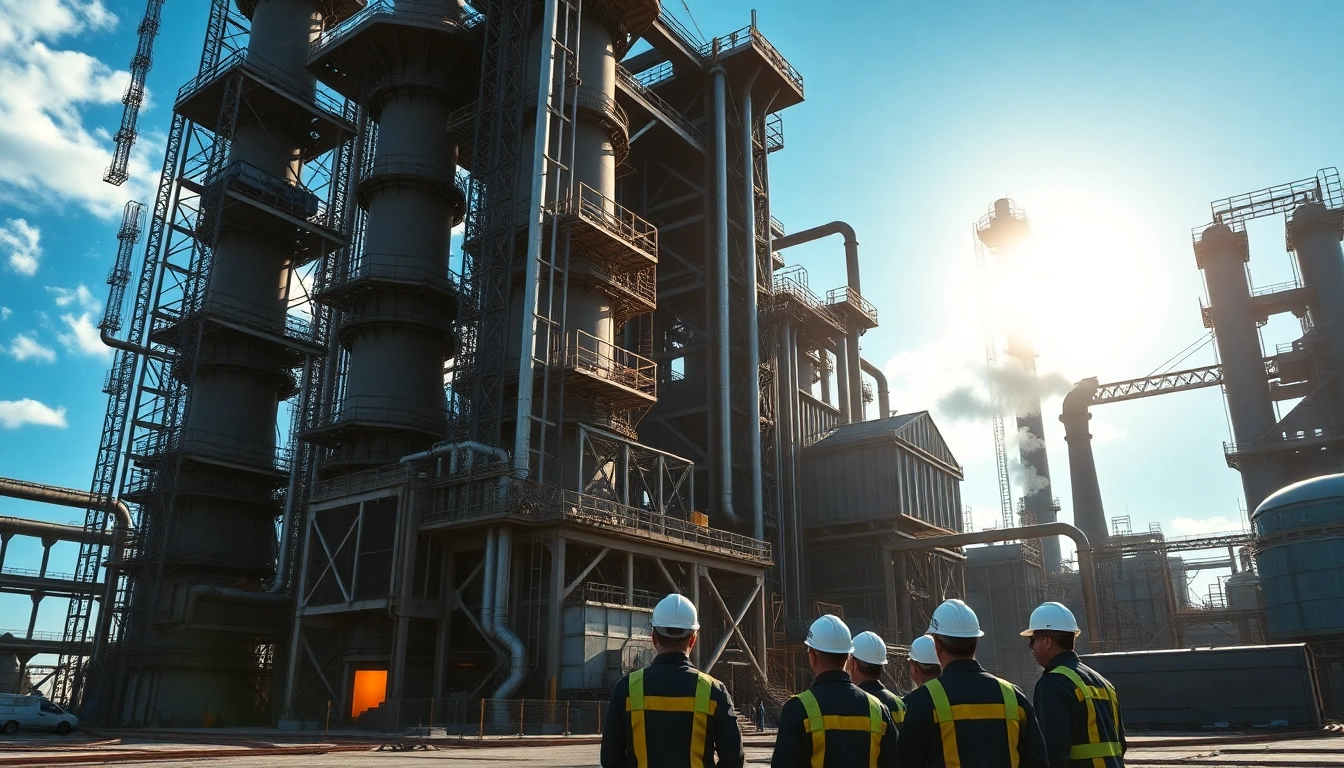
The modern steel mill is a facility that utilizes advanced technology and processes to convert raw materials into steel. These mills represent a significant shift from traditional steel production methods, prioritizing efficiency, sustainability, and quality. Modern steel mills often integrate various stages of steel production, including smelting, refining, and rolling, into a single, optimized process. This integration enhances production capabilities while minimizing waste and costs.
Historical Context of Steel Production
The history of steel production stretches back millennia, with the earliest forms being discovered by the Hittites around 1500 BCE. However, the Industrial Revolution in the 18th and 19th centuries marked a pivotal change, introducing new methods such as the Bessemer process, which enabled mass production of steel. Today, advancements in metallurgy and chemical engineering have revolutionized the production landscape, leading to the establishment of modern steel mills characterized by continuous casting, electric arc furnaces, and advanced automation.
Key Components and Technologies
Modern steel mills comprise several essential components: raw material handling systems, furnaces, casting machines, rolling mills, and finishing processes. Technologies such as computer numerical control (CNC) and Internet of Things (IoT) sensors play critical roles in optimizing production. For instance, electric arc furnaces (EAFs) allow for recycling scrap metal into new steel products, significantly reducing energy consumption. Advanced software systems monitor quality and output, ensuring operational efficiency and superior product performance.
Efficiency in Modern Steel Mills
Streamlining Operations for Maximum Output
The drive towards efficiency in the modern steel mill starts with the optimization of workflows. Techniques such as lean manufacturing eliminate waste and streamline processes. Utilizing just-in-time (JIT) inventory systems helps mills maintain the necessary supply of raw materials without overrunning with excess, reducing storage costs. Furthermore, enhanced logistics management ensures that raw materials and finished products move seamlessly through the supply chain. By employing these strategies, steel mills can significantly enhance their output while minimizing costs.
Technological Innovations Driving Efficiency
Technological innovations are the backbone of efficiency in modern steel production. Automation, robotics, and artificial intelligence are increasingly integrated into manufacturing processes. Automated guided vehicles (AGVs) transport materials throughout the steel mill, reducing reliance on human labor and enhancing safety. Smart manufacturing platforms, powered by AI, predict maintenance needs, reducing downtime. For example, predictive analytics can foresee equipment failures, allowing for preemptive maintenance that keeps production lines moving.
Case Studies of Efficient Modern Steel Mills
Several steel mills around the world stand out for their efficiency. One notable case is a mill that adopted an integrated steelmaking process that combined EAFs with continuous casting technology, reducing energy consumption and operational costs by almost 30%. Another mill implemented advanced data analytics that tracked production metrics in real-time, resulting in a 15% increase in output within the first year. These success stories exemplify how modern steel mills can enhance efficiency through innovative practices.
Sustainability Practices in the Modern Steel Mill
Environmental Impact and Regulations
The environmental impact of steel production has long been a topic of concern. As a result, modern steel mills are subject to stringent environmental regulations aimed at minimizing emissions and pollution. Initiatives include reducing carbon footprints through cleaner production techniques, such as using renewable energy sources and adopting carbon capture technologies. Compliance with regulations not only helps protect the environment but also enhances the reputation of mills as socially responsible manufacturers.
Recycling and Waste Management Strategies
Recycling is a critical component of sustainability in modern steel production. Steel is one of the most recycled materials globally, with a significant percentage of steel produced coming from recycled scrap metal. Modern steel mills implement advanced waste management strategies, wherein by-products from production processes, such as slag and off-gases, are repurposed in other industries. By ensuring minimal waste and maximizing recycling, steel mills contribute to a circular economy, reducing the need for virgin raw materials.
Future Trends in Sustainable Steel Production
Looking ahead, the steel industry is expected to shift towards more sustainable practices. Innovations such as hydrogen-based steelmaking could drastically reduce CO2 emissions. Additionally, the increasing incorporation of renewable energy sources like wind and solar power into steel manufacturing processes holds the potential to further decrease the carbon footprint. Embracing these future trends will be essential for modern steel mills aiming for long-term viability in an environmentally conscious economy.
Challenges Facing Modern Steel Mills
Economic Factors and Market Demand
The steel industry is often affected by fluctuations in economic conditions and market demand. Economic downturns can lead to reduced demand for steel, impacting profitability and production levels. Steel mills must continuously monitor market trends and adjust their operations accordingly. Diversifying production lines and expanding into emerging markets are strategies that can mitigate risks associated with economic shifts.
Technological Barriers and Solutions
While technology enhances efficiency, it also presents challenges such as high implementation costs and a skills gap in the workforce. Modern steel mills must invest in training programs that equip employees with the skills necessary to operate new technologies. Additionally, partnering with technology providers can help mitigate the costs of adopting advanced systems. By addressing these barriers head-on, steel mills can ensure they remain competitive in an evolving market.
Workforce Management in Industrial Settings
Managing a skilled workforce is crucial in modern steel mills. As automation increases, the need for a workforce proficient in new technologies is paramount. Companies should focus on fostering a culture of continuous learning and adaptation. Implementing mentorship programs and offering further education opportunities can help attract and retain talent while ensuring that the workforce is prepared to meet future demands in the industry.
The Future of the Modern Steel Mill
Emerging Technologies and Innovations
Emerging technologies promise to revolutionize the modern steel mill. Innovations such as artificial intelligence, blockchain for supply chain transparency, and enhanced data analytics are set to transform operational efficiency and customer relations. For example, blockchain technology can ensure traceability in steel production, enhancing accountability and quality assurance. By staying ahead of these developments, steel mills can maintain a competitive edge.
Global Trends Affecting Steel Production
Globally, steel production is influenced by various trends, including geopolitical shifts, sustainability mandates, and technological advancements. As countries commit to reducing carbon emissions, the pressure on steel mills to adopt greener practices intensifies. Furthermore, trade policies and tariffs can significantly impact market dynamics. Understanding these global influences is crucial for modern steel mills in strategic planning.
Roadmap for Long-Term Viability
To navigate the challenges and opportunities ahead, modern steel mills should focus on developing a comprehensive roadmap for sustainability and innovation. This includes investing in research and development, exploring alternative materials, and implementing feedback loops from production to customer. By fostering a forward-thinking culture, steel mills can adapt to shifting paradigms in technology, consumer preferences, and regulatory landscapes, ensuring their long-term viability.
FAQs
What is a modern steel mill?
A modern steel mill utilizes advanced technology and processes for efficient steel production, focusing on sustainability and quality control.
How has technology improved steel production?
Technology enhances production efficiency through automation, data analytics, and integrated manufacturing processes, reducing costs and waste.
What are the environmental impacts of steel production?
Environmental impacts include CO2 emissions and waste generation; modern mills work to minimize these through recycling and cleaner processes.
What challenges do steel mills face today?
Challenges include economic fluctuations, technological barriers, and workforce management, requiring adaptive strategies to maintain competitiveness.
What is the future of steel production?
The future involves increased sustainability, emerging technologies, and adaptation to global market trends that promote eco-friendly practices.